



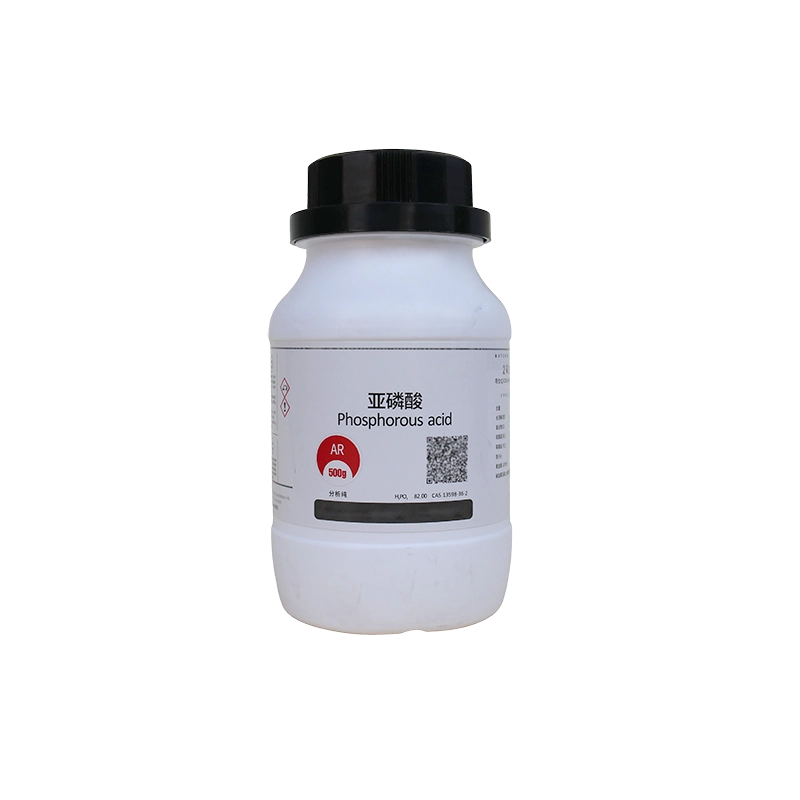
Phosphorous acid (also known as phosphonic acid) is a crystalline, strongly reducing inorganic compound. It is a critical intermediate in the production of other phosphorus compounds, phosphonates, and specialty agrochemicals.
Phosphorous Acid CAS 13598-36-2
Description
- CAS: 13598-36-2 / 10294-56-1
- Synonyms: Phosphonic acid; Orthophosphorous acid; Trihydroxyphosphine
- Einecs: 237-066-7 / 233-663-9
- Molecular Formula: H3PO3 / HPO(OH)2
- Grade: Technical Grade / Industrial Grade / Agricultural Grade
- Package: As required (Bulk, Drums, or Bags)
Details
Basic Chemical Properties & Common Reactions
General Properties: Phosphorous Acid is a white, crystalline solid that is highly hygroscopic and strongly acidic. It is a dibasic acid, meaning it has two acidic protons, and acts as a strong reducing agent in many chemical processes.
Common Chemical Reactions:
- Oxidation: Readily oxidizes to phosphoric acid (H_3PO_4) when exposed to air or oxidizing agents.
- Neutralization: Reacts with bases (like potassium hydroxide) to form phosphite salts.
- Thermal Decomposition: When heated above 200°C, it decomposes into phosphoric acid and highly toxic/flammable phosphine gas (PH_3).
- Reducing Action: Reduces metal salts (like silver or gold salts) to their elemental metallic state.
Specifications
| Item | Specification |
|---|---|
| Appearance | White crystalline solid |
| Assay (Purity) | ≥ 98.5% |
| Melting Point | 73 °C |
| Volatility | Low volatility |
| Ash Content | ≤ 0.1% |
| Solubility | Highly soluble in water and alcohols |
| Thermal Stability | Stable under normal conditions; decomposes at > 200°C |
Data Sheet Download
Applications
- Agriculture (Fungicides and Fertilizers): Used as a primary raw material to manufacture phosphonate (phosphite) fungicides and foliar fertilizers. It enhances the plant’s immune system against diseases like downy mildew and Phytophthora.
- Water Treatment Chemicals: Serves as a key precursor in the synthesis of organic phosphonates (such as ATMP, HEDP, and PBTC), which act as highly effective scale and corrosion inhibitors in industrial cooling water systems.
- Plastic Stabilizers: Used to produce dibasic lead phosphite, a PVC stabilizer that prevents thermal degradation of plastics during processing.
- Chemical Synthesis: Acts as a reliable reducing agent in various fine chemical syntheses and as a catalyst in certain organic reactions.
Storage Requirements
- Environment: Store in a cool, dry, and well-ventilated area.
- Moisture Control: Because the product is highly hygroscopic, containers must be kept tightly sealed to prevent moisture absorption and caking.
- Incompatibilities: Keep strictly separated from strong oxidizing agents, strong bases, and metals. Keep away from heat sources and direct sunlight.
Handling & Usage Precautions
- Personal Protective Equipment (PPE): Always wear chemical-resistant gloves, protective goggles, and a dust mask or respirator during handling.
- Exposure: Avoid breathing dust, vapors, or mist. Corrosive to the skin, eyes, and respiratory tract; avoid direct physical contact.
- Ventilation: Use only in areas with adequate exhaust ventilation.
- Hygiene: Wash hands thoroughly after handling. Remove and wash contaminated clothing before reuse.
Formulations
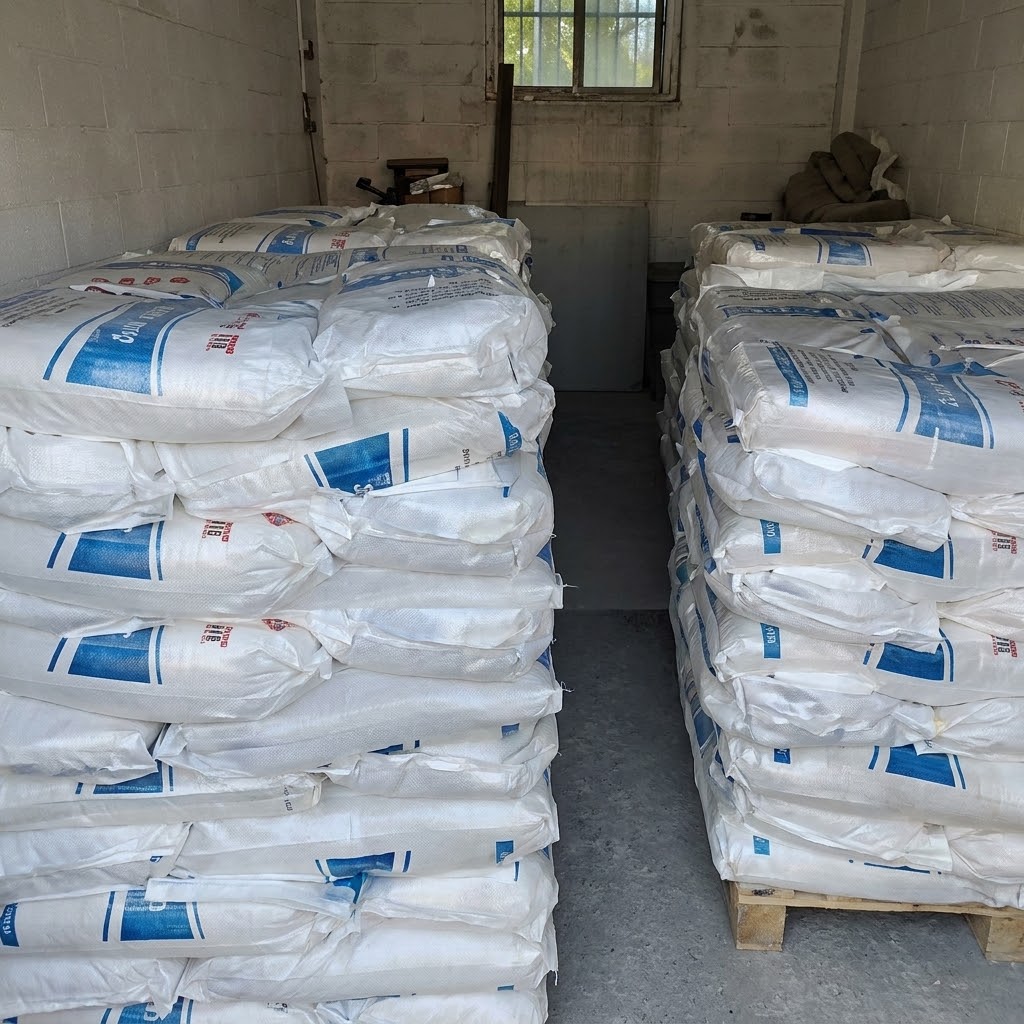
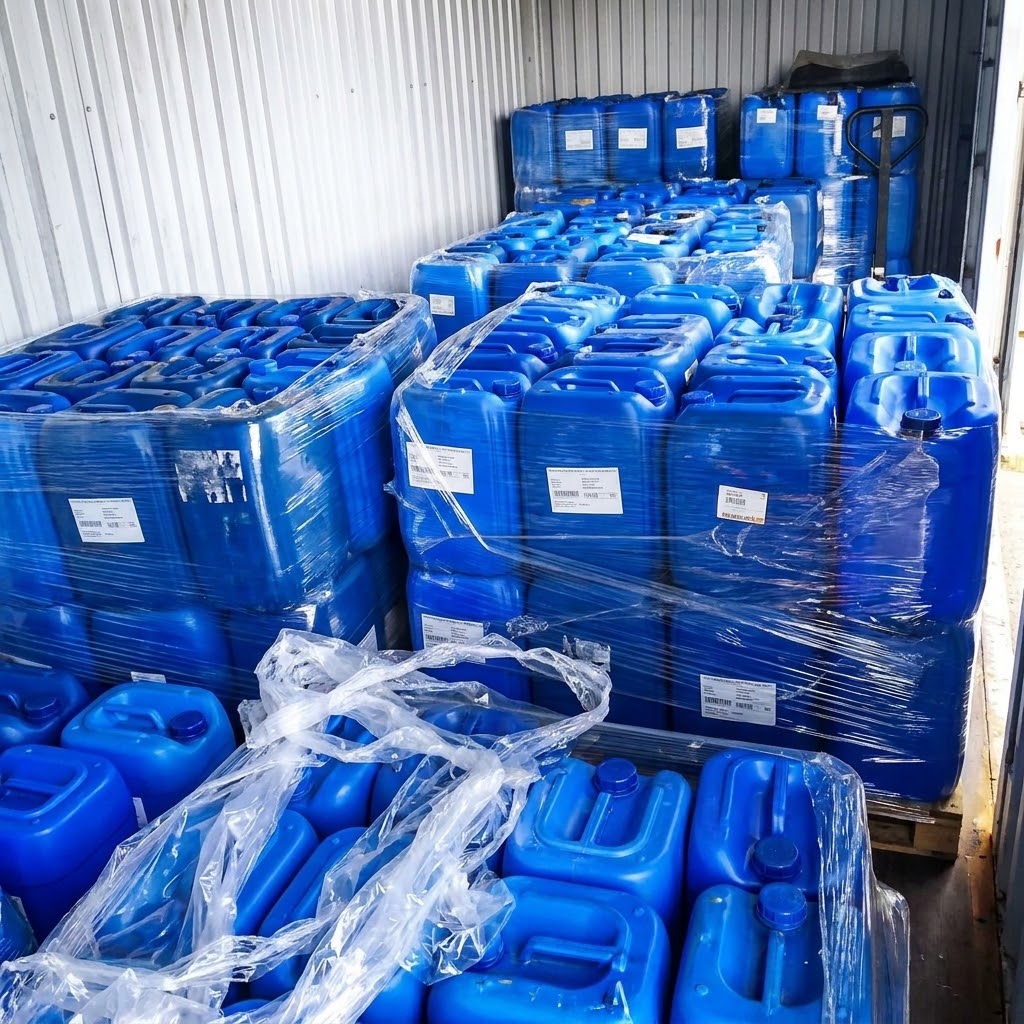
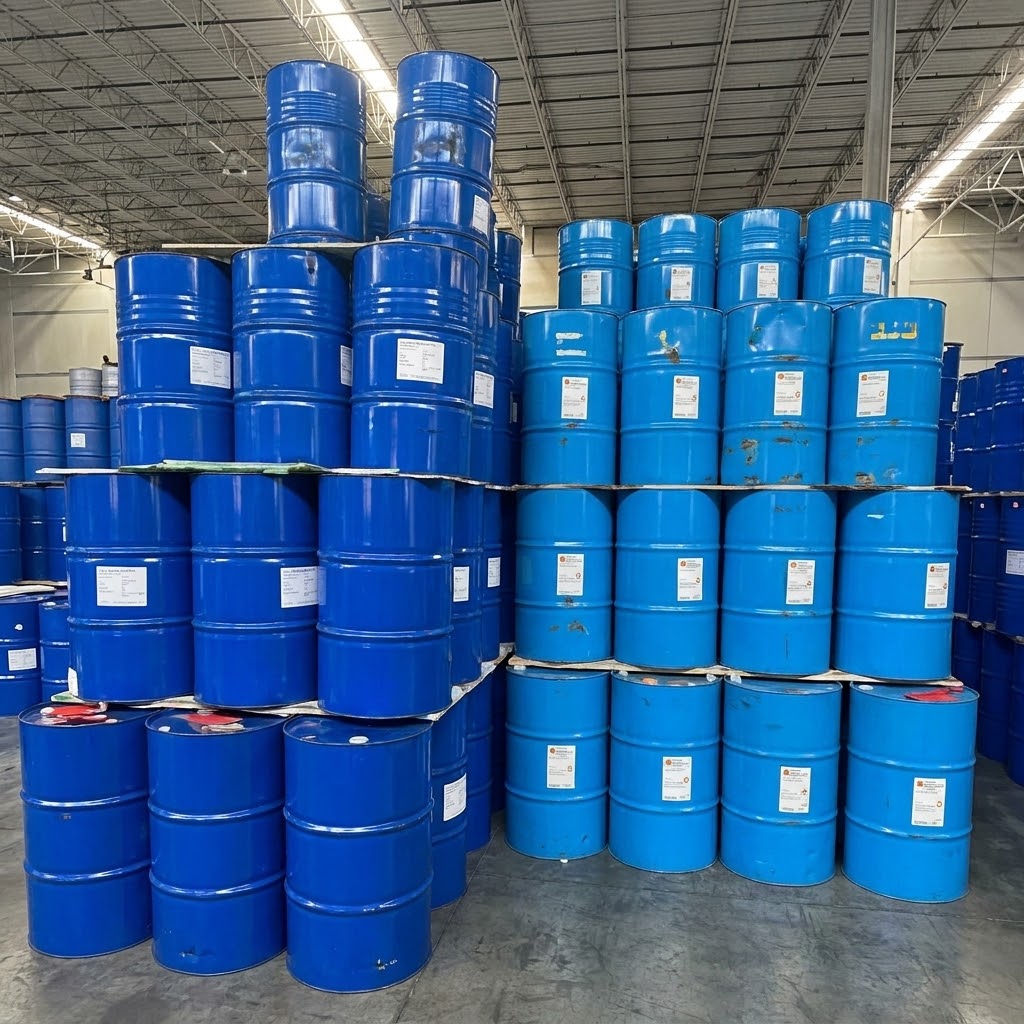
Packaging
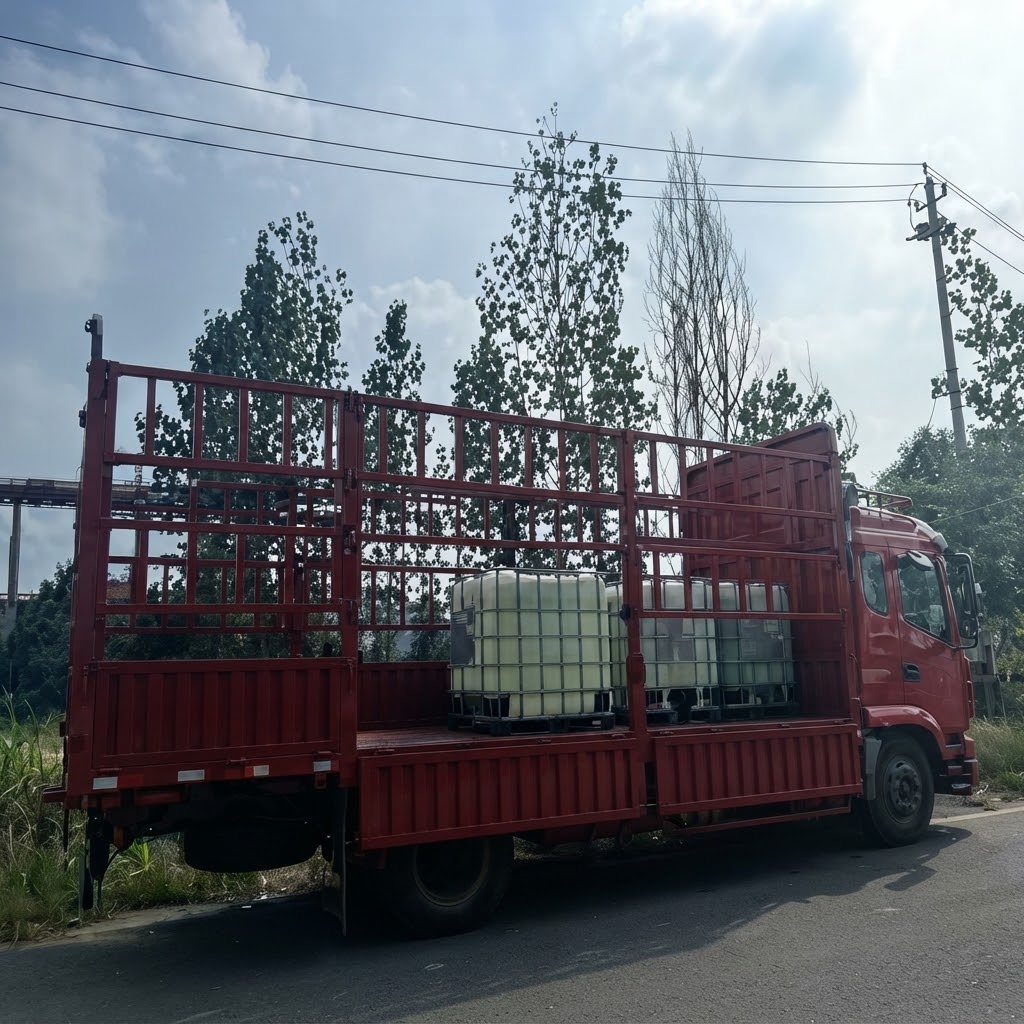
- 25 kg tightly sealed HDPE bags with inner poly-liners.
- 25 kg or 50 kg fiber/plastic drums.
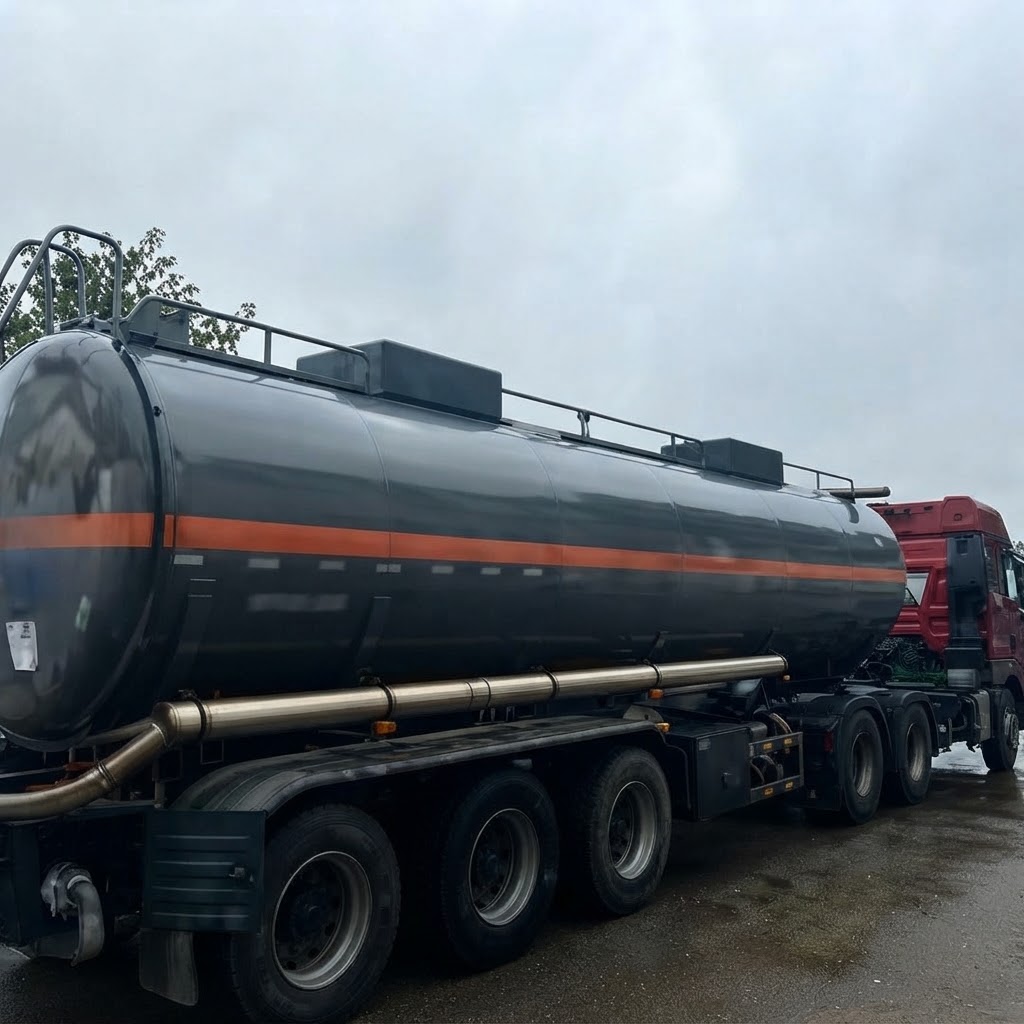
- Custom bulk packaging available upon request.
Safety & Compliance
| SDS / MSDS | Available Upon Request |
|---|---|
| GHS Classification | Met. Corr. 1 (H290) Acute Tox. 4 Oral (H302) Skin Corr. 1A (H314) Eye Dam. 1 (H318) |
| UN Number | UN 2834 |
| Transport Class | Class 8 (Corrosive Substances) |
| Packing Group | III |
| Hazard Statements | H290: May be corrosive to metals. H302: Harmful if swallowed. H314: Causes severe skin burns and eye damage. |
| Labeling & Packaging Compliance | Fully compliant with GHS standards, IMDG, IATA, and regional regulations. Labels include appropriate hazard pictograms (Corrosive, Harmful). |
| COA / TDS | Available Upon Request |
| Batch Traceability | Fully traceable batch tracking implemented on all packaging. |
FAQ
-
Q: How to get more information about the product?A: You can contact us via email at info@zhpmchem.com or WhatsApp at +8618321309391 for more information about our products and company.
-
Q: Does the product meet our requirements regarding formulation, equipment, and processing?A: Yes, we will adjust the product formulation to your specific needs, ensuring it meets your processing requirements.
-
Q: Is Phosphorous Acid a direct source of phosphorus fertilizer for plants?A: No. While it is heavily used in agriculture (often as phosphite salts), plants cannot use the phosphite cation directly for nutrition. It must first be oxidized into phosphate by soil microbes over time. Its primary immediate agricultural benefit is as a defense stimulator and systemic fungicide against oomycete pathogens.
-
Q: What happens if Phosphorous Acid is heated excessively?A: Thermal stability is a critical safety factor. If heated to its decomposition point (around 180°C - 200°C), phosphorous acid undergoes a dangerous disproportionation reaction. It converts into phosphoric acid and releases phosphine gas (PH3), which is highly toxic, explosive, and spontaneously flammable in air. It must be kept away from extreme heat and open flames.
-
Q: Can I store this product in standard metal containers?A: No. Phosphorous acid is classified as corrosive to metals (Met. Corr. 1). In the presence of moisture, it reacts with active structural metals like iron, carbon steel, and aluminum. This reaction not only damages the container but also releases highly flammable hydrogen gas. It must be stored in corrosive-resistant containers such as HDPE plastics, glass, or specially lined vessels.