


Salicylic acid is a lipophilic (oil-soluble) beta hydroxy acid (BHA) known for its keratolytic, comedolytic, and anti-inflammatory properties. It appears as a white or colorless crystalline powder and is slightly soluble in water but highly soluble in organic solvents like ethanol, ether, and acetone. Structurally, it consists of a benzene ring substituted with both a carboxyl group (-COOH) and a hydroxyl group (-OH) at the ortho position, which allows for intramolecular hydrogen bonding.
Salicylic Acid CAS 69-72-7
Description
- CAS: 69-72-7
- Synonyms: 2-Hydroxybenzoic acid; o-Hydroxybenzoic acid; Ortho-hydroxybenzoic acid
- Einecs: 200-712-3
- Molecular Formula: C₇H₆O₃
- Grade: Industrial Grade, Cosmetic Grade, Pharmaceutical Grade
- Package: As required
Details
Chemical Reactions
- Esterification: Reacts with alcohols (e.g., methanol, ethanol) in the presence of an acid catalyst to form esters, such as methyl salicylate (oil of wintergreen) or ethyl salicylate.
- Acetylation: Reacts with acetic anhydride or acetyl chloride to form acetylsalicylic acid (Aspirin).
- Decarboxylation: Upon intense heating, it undergoes decarboxylation to form phenol and carbon dioxide.
- Salt Formation: Reacts with bases to form various salicylate salts (e.g., sodium salicylate).
- Reaction with Ferric Chloride: Yields an intense violet color, a characteristic qualitative test for the enolic hydroxyl group.
Specifications
| Parameter | Specification |
|---|---|
| Appearance | White to off-white crystalline powder or acicular crystals |
| Assay (Purity) | ≥ 99.0% – 100.5% |
| Melting Point | 158.0 °C – 161.0 °C |
| Volatility / Loss on Drying | ≤ 0.5% |
| Ash Content (Sulphated Ash) | ≤ 0.1% |
| Solubility | Soluble in ethanol, ether, and acetone; Slightly soluble in water (approx. 2 g/L at 20°C) |
| Thermal Stability | Stable under normal conditions; Sublimes at 76 °C; Decomposes at boiling point (211 °C) |
Data Sheet Download
Applications and Functions
- Cosmetics & Personal Care (Skincare): Used heavily in acne treatments, exfoliants, and anti-dandruff shampoos.
- Function: Acts as a peeling agent (keratolytic). Because it is lipid-soluble, it penetrates sebum-filled pores to exfoliate dead skin cells, clear blockages, and reduce inflammation, effectively treating comedones (blackheads and whiteheads).
- Pharmaceuticals: A critical Active Pharmaceutical Ingredient (API) and intermediate.
- Function: Used topically for dermatological conditions like psoriasis, calluses, corns, and warts due to its ability to soften and slough off the epidermis. It is also the primary precursor for synthesizing Aspirin (acetylsalicylic acid) and other analgesic/anti-inflammatory drugs.
- Food & Beverage Industry:
- Function: Historically and in some specific regional applications, used as a food preservative and antiseptic due to its bacteriostatic and fungicidal properties.
- Industrial & Chemical Synthesis:
- Function: Acts as an intermediate in the production of dyes, perfumes, and agrochemicals (pesticides).
Storage Environment Requirements
- Temperature: Store at controlled room temperature, ideally between 15°C and 25°C. Keep in a cool location.
- Environment: Store in a dry, well-ventilated area. Protect from moisture and high humidity to prevent caking and degradation.
- Light Exposure: Light-sensitive over long periods; store protected from direct sunlight and UV radiation (use opaque or amber containers if applicable).
- Incompatibilities: Keep strictly away from strong oxidizing agents, strong bases, iodine, and fluorine. Keep away from extreme heat, ignition sources, or open flames.
Handling and Usage Precautions
- Personal Protective Equipment (PPE): Wear protective gloves, protective clothing, tightly sealed eye protection (safety goggles), and a face mask or approved dust respirator when handling to prevent contact and inhalation.
- Dust Control: Avoid generating dust. Fine dust dispersed in the air in sufficient concentrations, and in the presence of an ignition source, is a potential dust explosion hazard. Use local exhaust ventilation.
- Contact Measures:
- Eyes: Causes serious eye damage. In case of contact, rinse cautiously with water for several minutes. Remove contact lenses if present and easy to do. Seek immediate medical attention.
- Skin: Wash affected areas thoroughly with soap and water.
- Ingestion: Harmful if swallowed. Do not induce vomiting; rinse mouth and seek medical advice.
- General Hygiene: Do not eat, drink, or smoke when using this product. Wash hands thoroughly after handling and before breaks.
Formulations
- 2% Salicylic Acid Acne Serum / Toner:
- Formulation: Salicylic Acid (1-2%), Solvent, Water, soothing agents, pH adjuster.
- Function: Deeply cleanses pores, regulates sebum production, and reduces redness and swelling associated with acne breakouts.
- Wart/Corn Removal Liquid (Collodion vehicle):
- Formulation: Salicylic Acid (typically 12% – 27.5% for high-strength OTC), Flexible Collodion base, sometimes combined with Lactic Acid.
- Function: Highly concentrated keratolytic action destroys the tissue of the wart or corn over time, allowing it to be peeled away.
- Anti-Dandruff Shampoo:
- Formulation: Salicylic Acid (1.8% – 3%), Surfactants (e.g., Sodium Laureth Sulfate), Conditioning agents, Water.
- Function: Breaks down the flaky, dead skin cells on the scalp, making them easier to wash away, and helps prevent the buildup of oils and scales.
Packaging
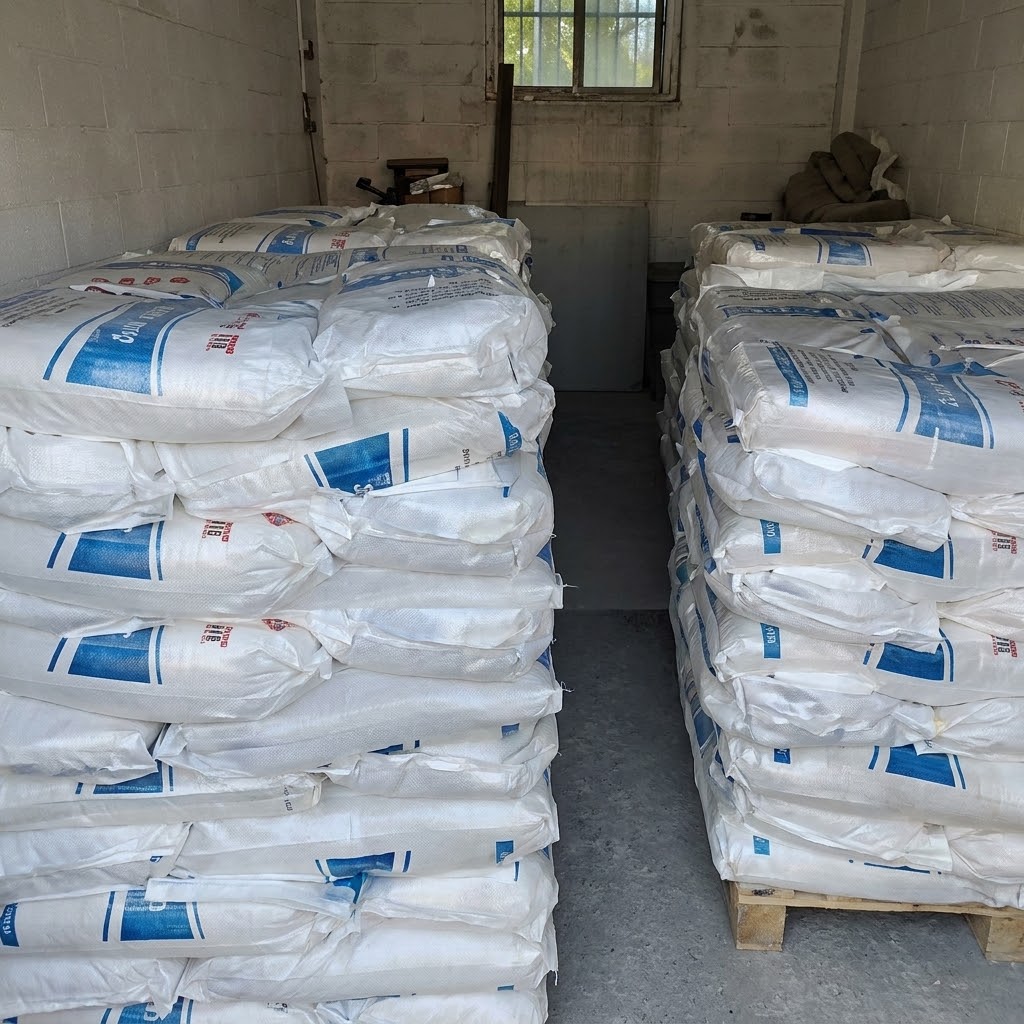
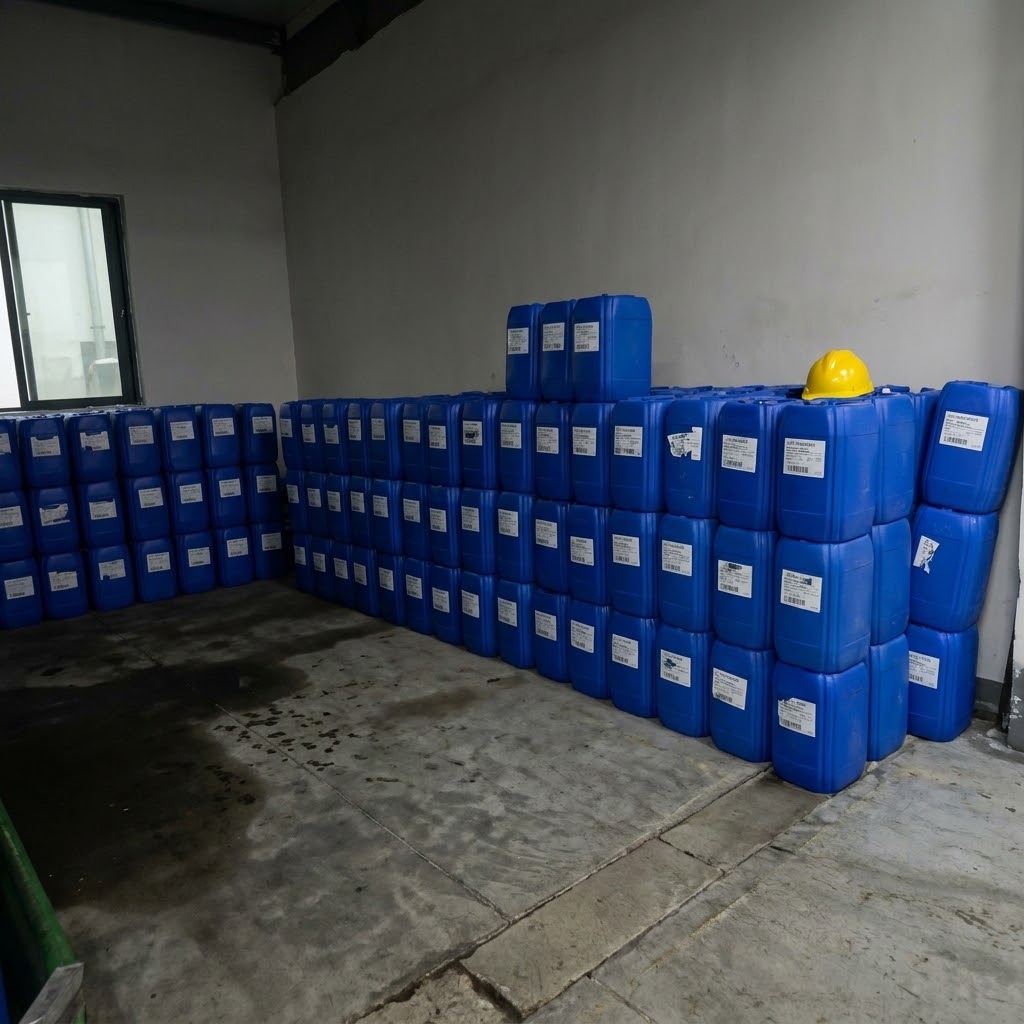
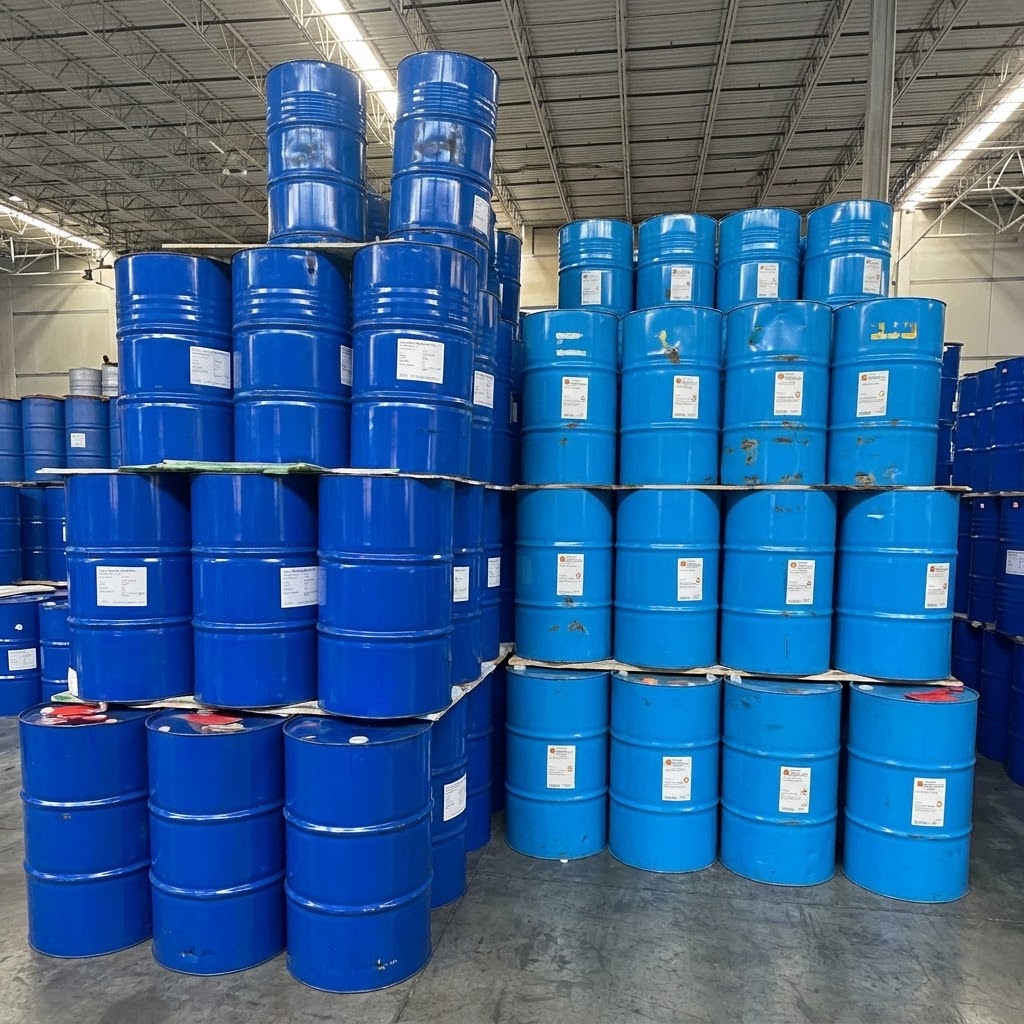
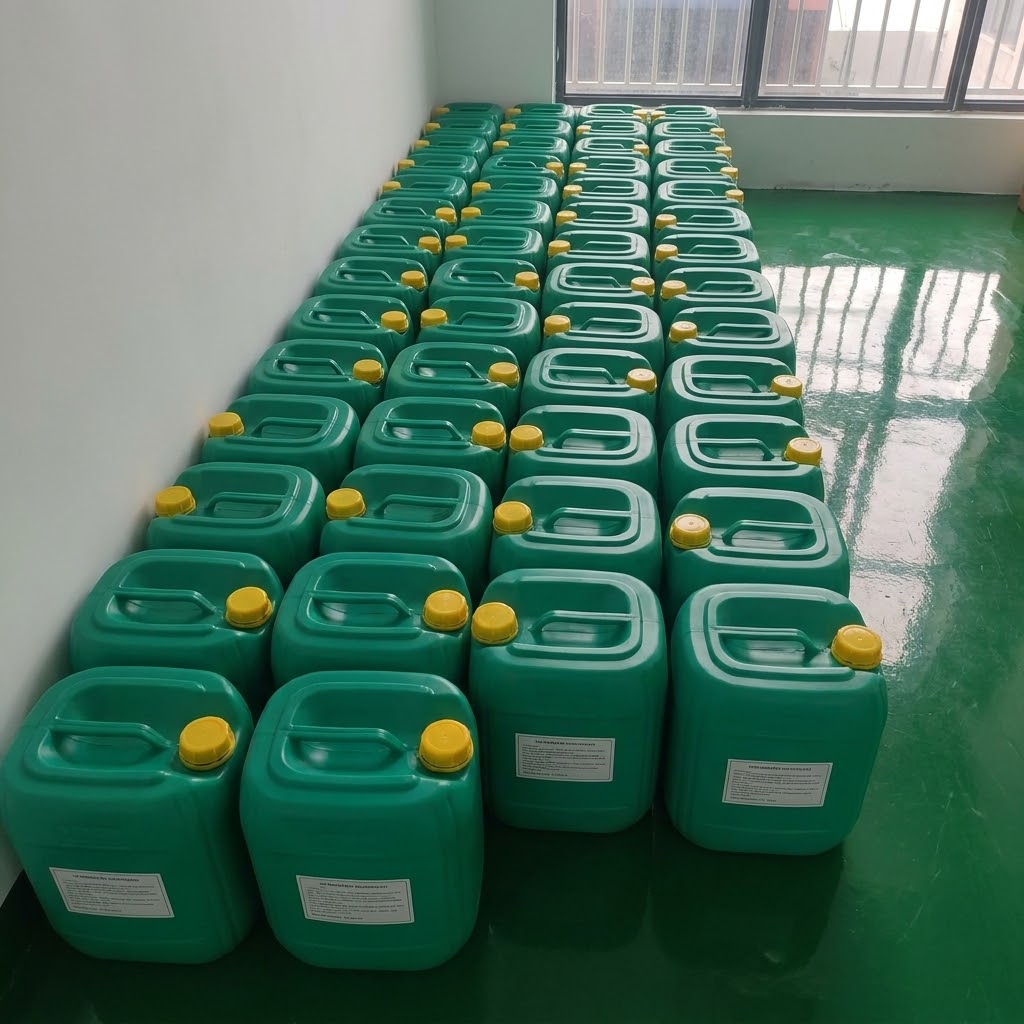
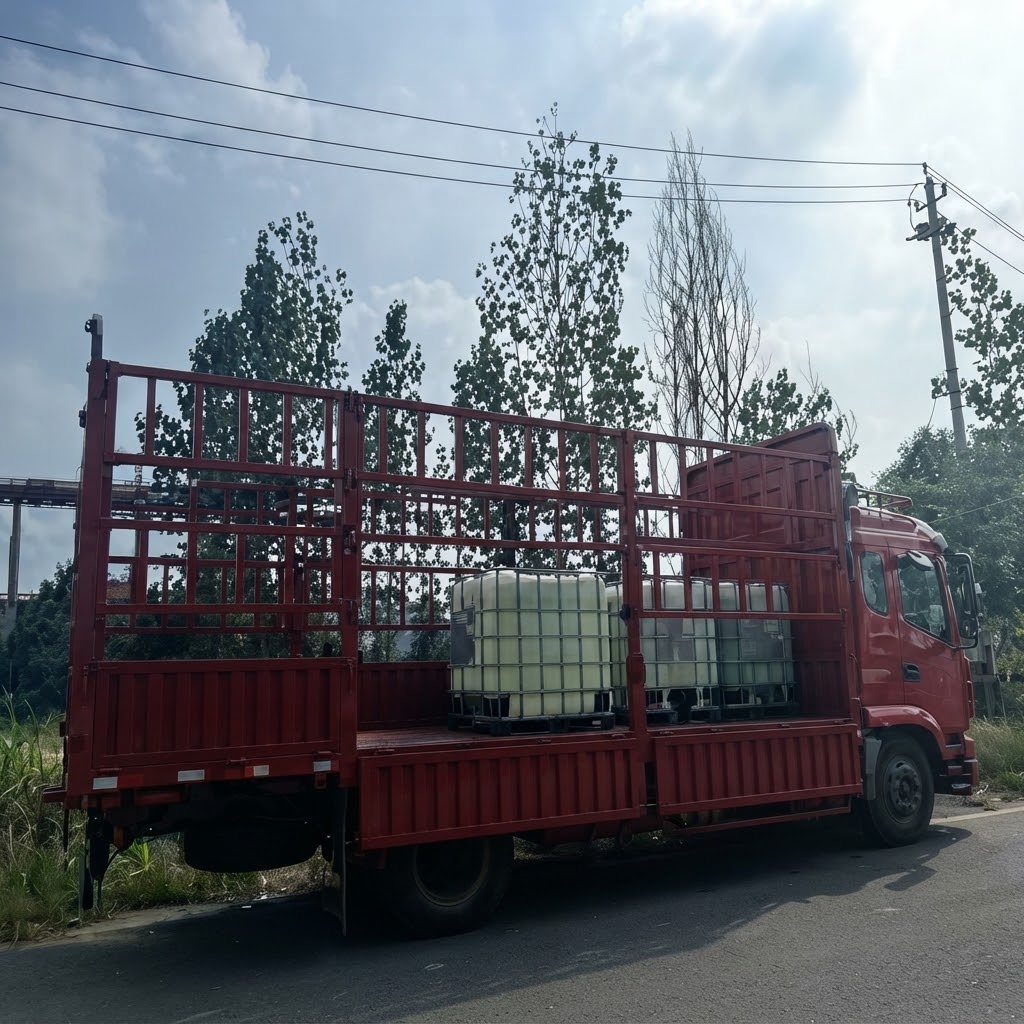
- 20 kg fiber drum or carton box, lined with PE bag.
- Customized packaging available upon request.

Safety and Compliance Declarations
| Certification / Standard | Status / Details |
|---|---|
| SDS / MSDS | Available Upon Request |
| GHS Classification | Acute Tox. 4 (Oral), Eye Dam. 1, Repr. 2 |
| UN No. | 1090 |
| Transport Class | 3 |
| Hazard Statements | H302 (Harmful if swallowed); H318 (Causes serious eye damage); H361d (Suspected of damaging the unborn child) |
| Labeling and Packaging Compliance | Compliant with global GHS standards |
| COA / TDS | Available Upon Request |
| Batch Traceability | Fully Implemented (Lot-specific tracking) |
FAQ
-
Q: How to get more information about the product?A: You can contact us via email at info@zhpmchem.com or WhatsApp at +8618321309391 for more information about our products and company.
-
Q: Does the product meet our requirements regarding formulation, equipment, and processing?A: Yes, we will adjust the product formulation to your specific needs, ensuring it meets your processing requirements.
-
Q: What concentration of Salicylic Acid is safe for daily skincare use?A: For over-the-counter daily skincare treatments, concentrations between 0.5% and 2% are generally considered safe and effective. If you are new to BHA products, it is recommended to start usage 2-3 times a week to build skin tolerance before moving to daily application. Higher concentrations (up to 30%) are used in professional chemical peels and should only be administered by dermatologists.
-
Q: How do I dissolve Salicylic Acid when formulating cosmetic products?A: Salicylic Acid is only slightly soluble in water. To incorporate it into liquid formulations, it must first be dissolved in a suitable solvent. Common cosmetic solvents include Propanediol, Propylene Glycol, Ethanol, or Polysorbate 20. Gentle heating in a water bath can aid the dissolution process before adding it to the water phase of your formula.
-
Q: Can Salicylic Acid be used in the same routine as Retinol or Vitamin C?A: Yes, but with caution. Using Salicylic Acid concurrently with strong actives like Retinol or Vitamin C can lead to excessive dryness, redness, and irritation, especially for sensitive skin. It is highly recommended to alternate their use—for example, using Vitamin C or Salicylic Acid in the morning and Retinol at night, or using them on alternating days.
-
Q: Is Salicylic Acid safe for pregnant or breastfeeding women?A: High doses of oral salicylic acid (like aspirin) are generally avoided during pregnancy. For topical skincare products containing low concentrations (up to 2%), systemic absorption is low. However, due to its classification (Suspected of damaging the unborn child at high exposures), it is strongly advised that pregnant or breastfeeding women consult with a healthcare provider or dermatologist before incorporating Salicylic Acid into their routine.