



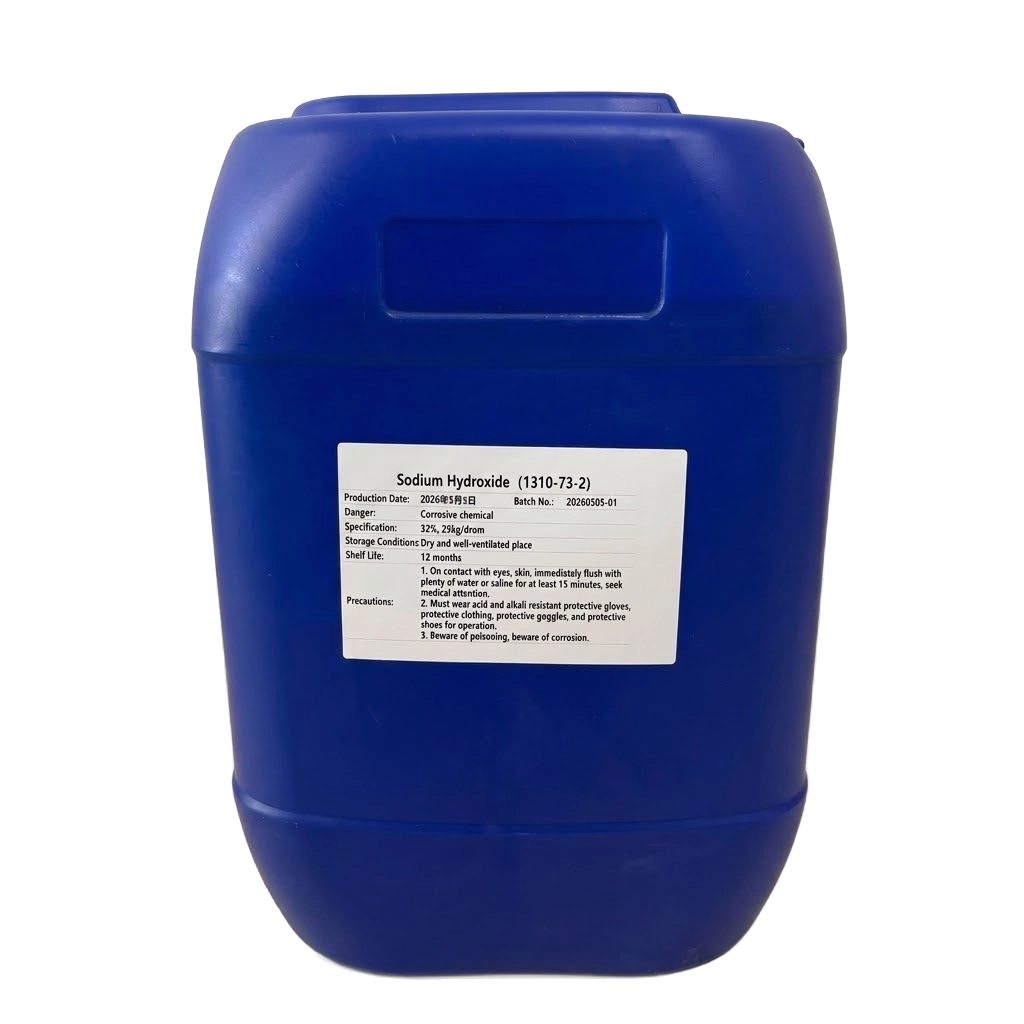
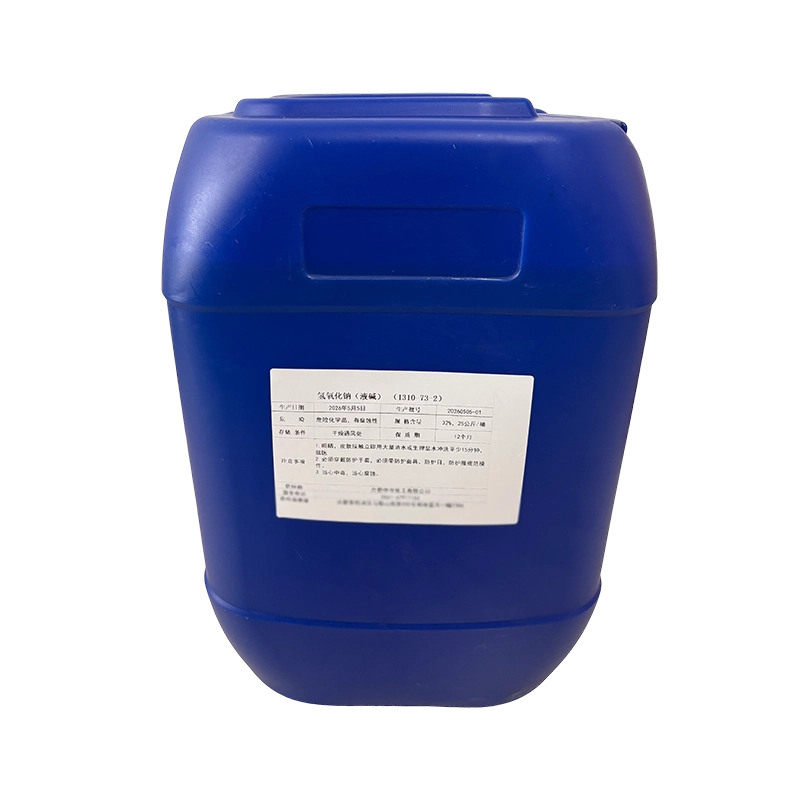
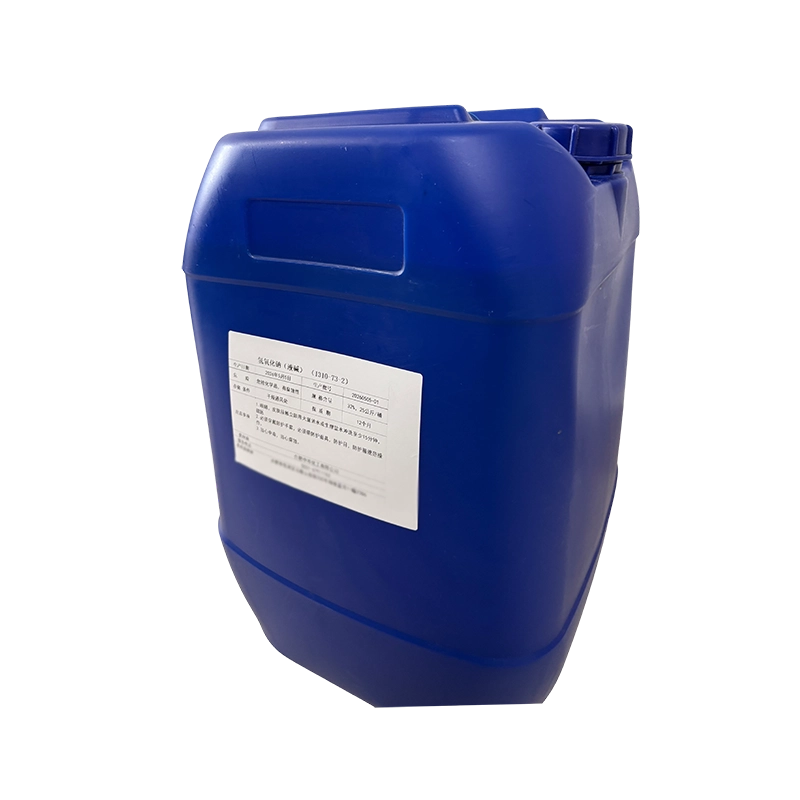
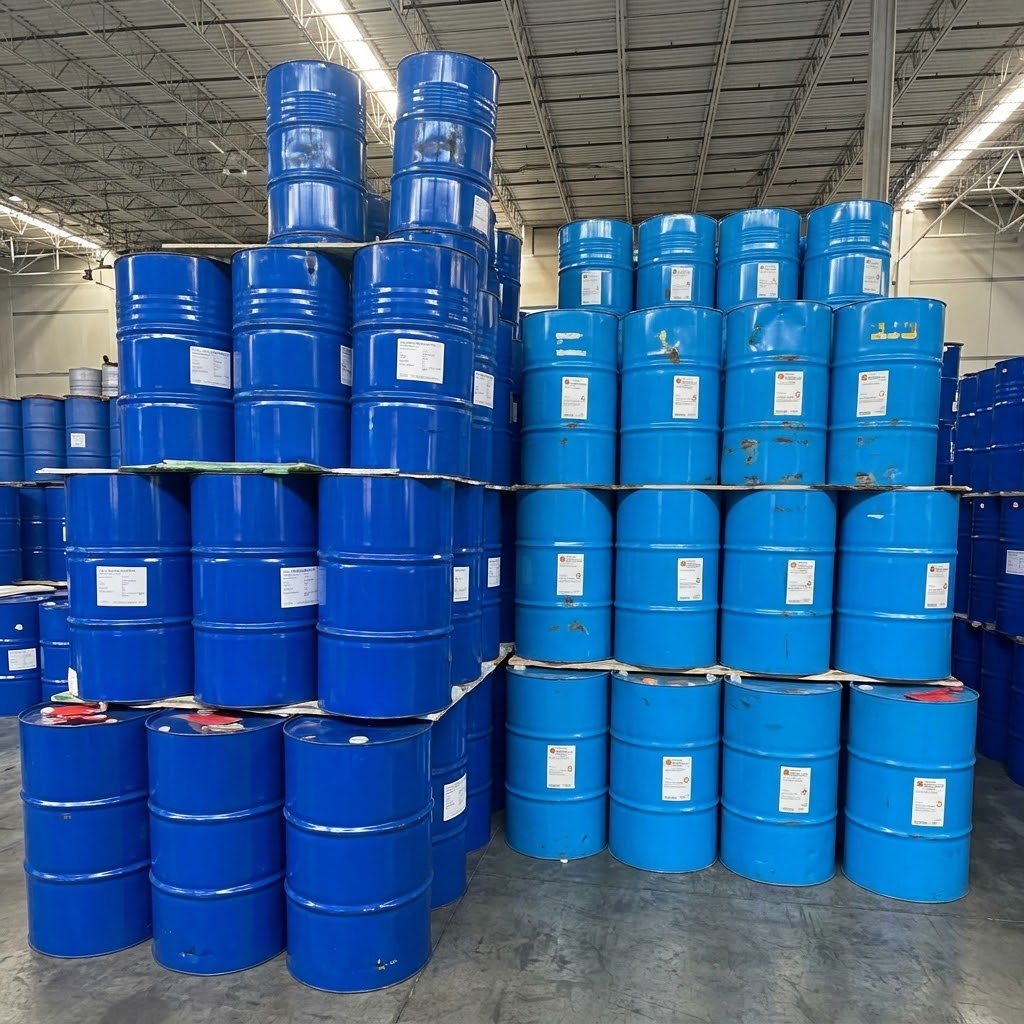
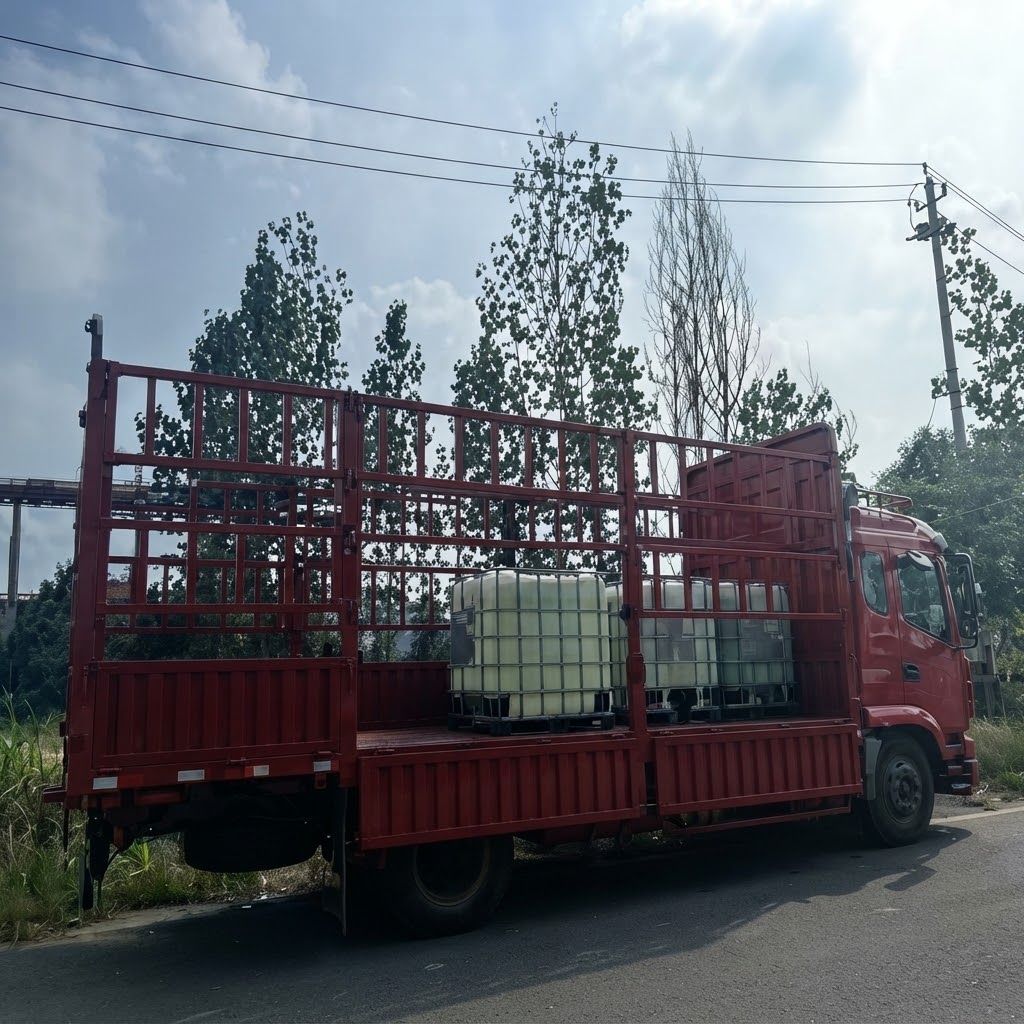
Sodium Hydroxide Solution is a highly alkaline, clear, and colorless to slightly cloudy liquid. It is strongly corrosive, odorless, and completely miscible with water and alcohol. As a potent strong base, it fully dissociates in water into sodium (Na^+) and hydroxide (OH^-) ions.
Sodium Hydroxide Solution CAS 1310-73-2
Description
- CAS: 1310-73-2
- Synonyms: Caustic Soda Solution, Lye, Sodium Hydrate, White Caustic Solution
- Einecs: 215-185-5
- Molecular Formula: NaOH
- Grade: Industrial Grade, Reagent Grade, Food Grade
- Package: As required
Details
Chemical Reactions:
- Neutralization: Reacts violently with acids, generating substantial heat (exothermic) to form sodium salts and water.
- Saponification: Breaks down esters, particularly fats and oils, to produce fatty acid salts (soap) and glycerol.
- Precipitation: Reacts with transition metal salts to form insoluble, often colored, metal hydroxide precipitates.
Specifications
| Property | Specification / Value |
|---|---|
| Appearance | Clear, colorless liquid |
| Assay (Purity) | 30%, 32%, 50% (Customizable upon request) |
| Melting / Freezing Point | Approx. 12°C to 15°C (for 50% solution); Varies heavily by concentration |
| Volatility | Low (Vapor pressure is essentially that of water; aerosols are highly corrosive) |
| Ash Content | ≤ 0.01% (Varies by grade) |
| Solubility | Fully miscible in water, ethanol, and methanol |
| Thermal Stability | Highly stable under normal conditions; Does not decompose upon boiling |
Applications
- Water & Wastewater Treatment: Acts as a powerful pH regulator to neutralize acidic water streams and precipitate heavy metals out of wastewater.
- Pulp and Paper Industry: Central to the Kraft process; it breaks down the bonds holding lignin and cellulose together, aiding in wood digestion and pulp purification.
- Chemical Manufacturing: Serves as a vital raw material and intermediate in the production of plastics, synthetic fibers (rayon), solvents, and bleach (sodium hypochlorite).
- Soap and Detergent Manufacturing: The primary alkali used to saponify fats and oils, directly yielding solid soaps and industrial detergents.
- Food Processing (Food Grade Only): Used for chemical peeling of fruits and vegetables, cocoa processing, and pH adjustment during food manufacturing.
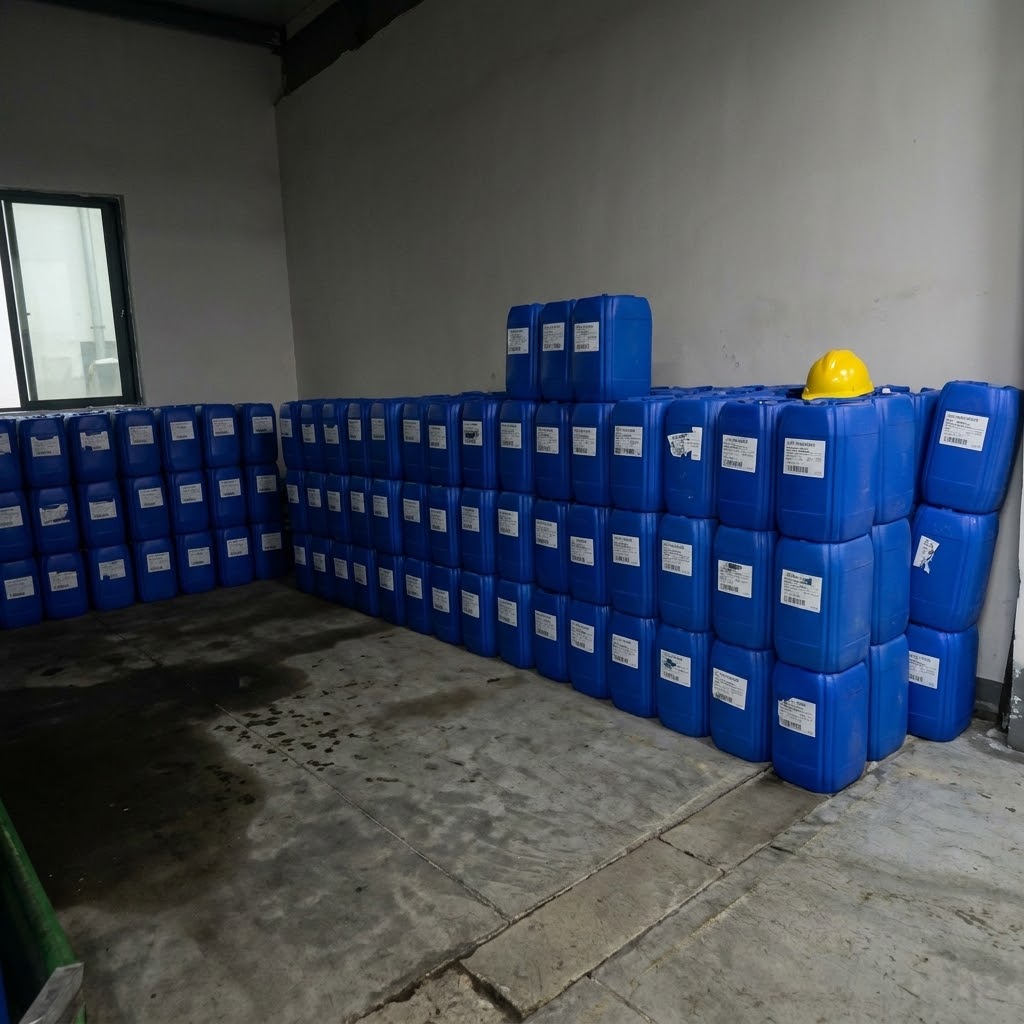
Storage Environment Requirements
- Temperature Control: Keep storage areas above the solution’s freezing point. 50% solutions begin to crystallize and freeze around 12°C (54°F), so heated tanks or heat tracing may be required in cold climates.
- Material Compatibility: Store in carbon steel (for high concentrations/room temp), stainless steel, PVC, HDPE, or rubber-lined tanks. Never store in aluminum, zinc, or tin containers. Avoid glass containers with glass stoppers as the alkali will fuse the glass together.
- Segregation: Store in a cool, dry, well-ventilated area strictly away from strong acids, organic chemicals, and reactive metals.
Handling & Usage Precautions
- Personal Protective Equipment (PPE): Always wear chemical splash goggles, a full face shield, alkali-resistant gloves (nitrile, neoprene, or PVC), and protective clothing/aprons.
- Dilution Safety: When diluting, always add the solution slowly to the water with constant stirring. Never add water directly to the concentrated solution to prevent localized boiling, violent splattering, and steam generation.
- Ventilation: Ensure adequate exhaust ventilation to prevent inhalation of corrosive mists or aerosols.
- First Aid Readiness: Emergency eye wash stations and safety showers must be immediately accessible in areas where the solution is handled.
Formulations
- Sodium Hypochlorite (Bleach) Production: Formulated by reacting chlorine gas into sodium hydroxide solution.
- Role: Provides the highly alkaline medium required to stabilize the bleach and drive the reaction forward.
- Industrial Cleaners & Degreasers (CIP Solutions): Combined with surfactants, chelating agents (like EDTA), and defoamers.
- Role: Rapidly breaks down, saponifies, and dissolves heavy greases, proteins, and baked-on carbon deposits from manufacturing equipment.
- Heavy-Duty Drain Cleaners: Blended as a highly concentrated alkaline base with stabilizing agents.
- Role: Generates heat and transforms blocking fats/grease into soluble soap, effectively clearing pipe blockages.
Packaging Methods
- IBC Tanks: 1000L / 1200KG Intermediate Bulk Containers (Standard for medium-to-large industrial use).
- Plastic Drums: 200L / 250KG High-Density Polyethylene (HDPE) drums.
- Bulk Transport: ISO Tanks or bulk road/rail tankers for large-volume industrial supply.
- Custom Packaging: Smaller volumes or specific packaging materials are available as required by the customer.
Safety & Compliance Information
| Compliance Category | Details |
|---|---|
| SDS / MSDS | Available upon request |
| GHS Classification | Corrosive to Metals (Category 1)Skin Corrosion (Category 1A)Serious Eye Damage (Category 1) |
| UN Number | 1824 |
| Transport Class | Class 8 (Corrosive Substances) |
| Hazard Statements | H290: May be corrosive to metalsH314: Causes severe skin burns and eye damage |
| Labeling & Packaging | Fully compliant with GHS and international shipping standards |
| COA / TDS | Available upon request |
| Batch Traceability | Yes, full lot tracking via batch numbers on all packaging |
FAQ
-
Q: How to get more information about the product?A: You can contact us via email at info@zhpmchem.com or WhatsApp at +8618321309391 for more information about our products and company.
-
Q: Does the product meet our requirements regarding formulation, equipment, and processing?A: Yes, we will adjust the product formulation to your specific needs, ensuring it meets your processing requirements.
-
Q: What is the main difference between Sodium Hydroxide solid (flakes/pearls) and solution?A: The solution is a pre-dissolved liquid form (commonly 30-50% concentration). It is highly preferred for liquid processes because it is easier to pump, dose, and handle, and it eliminates the hazardous, heat-generating (exothermic) step required to dissolve solid flakes into water.
-
Q: Why does my 50% Sodium Hydroxide solution freeze or turn slushy during the winter?A: A 50% concentration of sodium hydroxide has a surprisingly high freezing point of approximately 12°C (53.6°F). In cold weather, it must be stored in temperature-controlled environments or tanks equipped with heat tracing and insulation to prevent crystallization.
-
Q: Can I store this solution in standard aluminum or galvanized steel tanks?A: No. Sodium hydroxide reacts violently with amphoteric metals such as aluminum, zinc (found in galvanized steel), tin, and lead. This reaction corrodes the metal and rapidly produces flammable, explosive hydrogen gas. It should be stored in mild steel, stainless steel, or approved plastics like HDPE.
-
Q: How should I safely dilute concentrated Sodium Hydroxide solution?A: To dilute safely, you must constantly stir the water while slowly adding the sodium hydroxide solution into the water. Never pour water directly into the concentrated alkali solution, as this can cause rapid, localized boiling and dangerous corrosive splattering.