



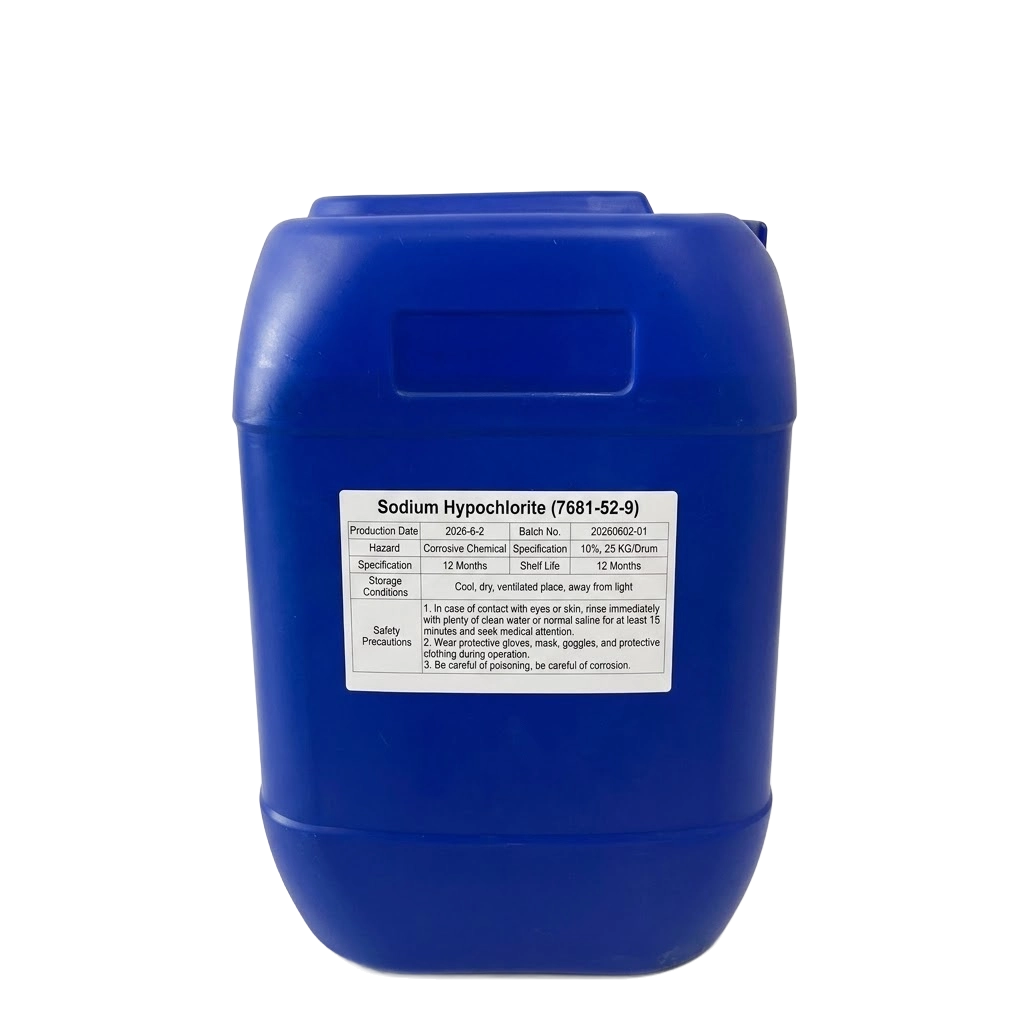
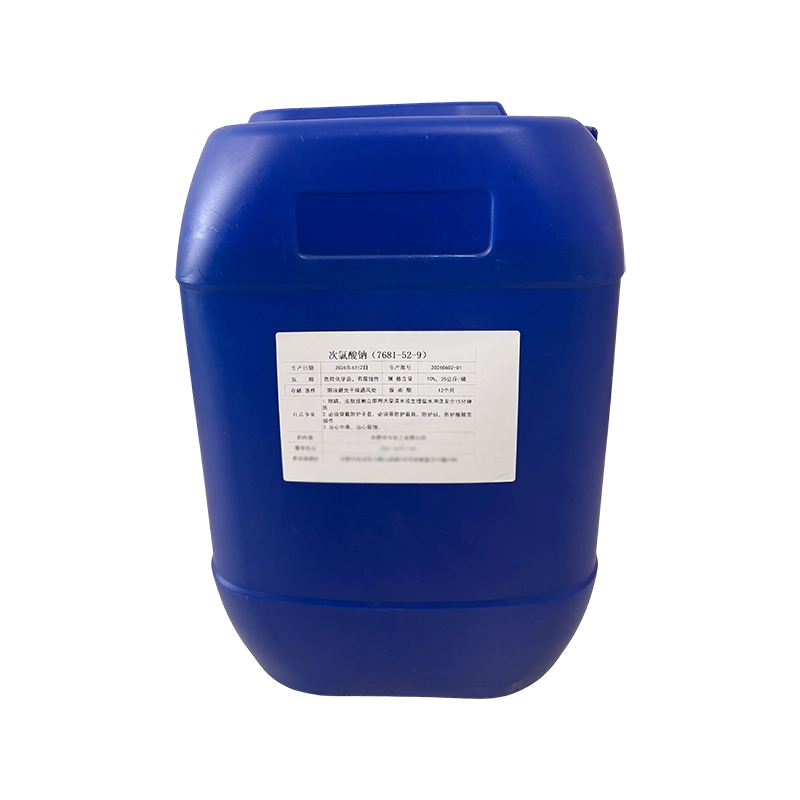
As a leading manufacturer and supplier, we provide high-purity Sodium Hypochlorite formulated for industrial, municipal, and commercial applications. Known for its powerful oxidizing properties, our Sodium Hypochlorite delivers reliable performance in water treatment, chemical synthesis, and large-scale sanitation.
Sodium Hypochlorite CAS 7681-52-9
Description
- CAS: 7681-52-9
- Synonyms: Bleach, Soda bleach liquor, Sodium oxychloride
- Einecs: 231-668-3
- Molecular Formula: NaOCl
- Grade: Industrial Grade / Water Treatment Grade
- Package: As required
Details
Chemical Properties & Common Reactions
Sodium hypochlorite is a strong oxidizing agent, highly effective at breaking down organic matter and neutralizing pathogens.
- Oxidation: Acts as a potent oxidizer in both organic and inorganic chemical synthesis.
- Reaction with Acids: Reacts violently with acidic compounds (such as hydrochloric acid) to release toxic chlorine gas (Cl2).
- Decomposition: Gradually degrades over time into sodium chloride (NaCl), sodium chlorate (NaClO), and oxygen (O2). This process accelerates under exposure to heat, light, or heavy metal contaminants.
Specifications
| Specification | Value/Description |
|---|---|
| Appearance | Light yellow to greenish-yellow liquid |
| Assay (Purity) | 10% – 15% (Available Chlorine) |
| Melting Point | -18°C (for ~12% aqueous solution) |
| Volatility | Slightly volatile |
| Ash Content | < 0.1% |
| Solubility | 100% miscible in water |
| Thermal Stability | Unstable at high temperatures; degrades rapidly above 40°C |
Video
Applications
- Water & Wastewater Treatment: Acts as a primary disinfectant to eliminate bacteria, viruses, and algae in municipal water supplies and industrial cooling towers.
- Textile & Paper Industry: Functions as a powerful bleaching agent to whiten wood pulp, cotton, and other natural fibers without compromising structural integrity.
- Chemical Manufacturing: Serves as a reactive intermediate and oxidizing agent in the synthesis of organic chemicals and pharmaceuticals.
- Food Processing & Sanitation: Used for sanitizing preparation surfaces, equipment, and dairy processing lines to maintain stringent hygiene standards.
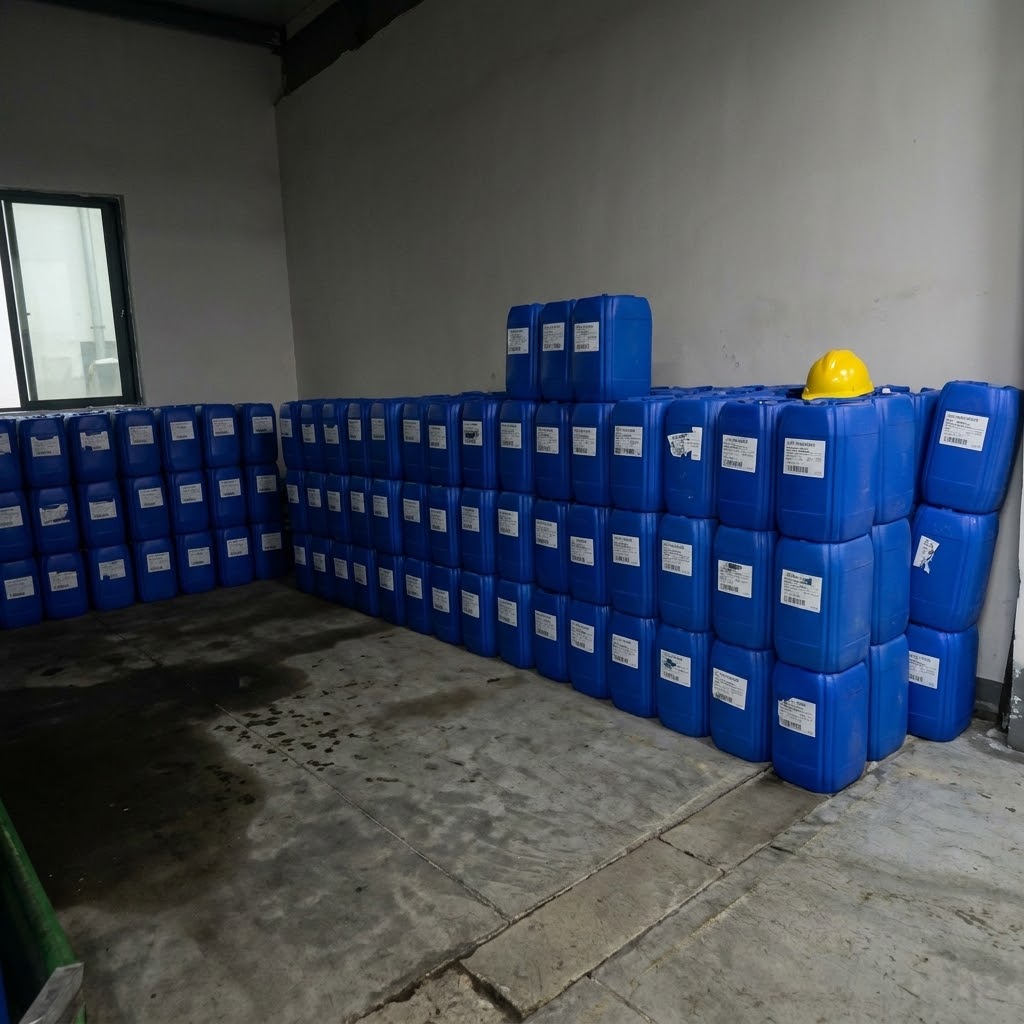
Storage Requirements
To maximize shelf life and maintain available chlorine levels, Sodium Hypochlorite must be stored in a cool, dry, and well-ventilated environment. Keep containers tightly sealed and store them away from direct sunlight, UV radiation, and heat sources. It must be strictly segregated from incompatible materials, particularly acids, ammonia, amines, and heavy metals. Use opaque, corrosive-resistant containers (such as HDPE or FRP).
Handling & Usage Precautions
- Personal Protective Equipment (PPE): Always wear chemical-resistant gloves, splash-proof goggles, and a protective apron when handling.
- Ventilation: Ensure the handling area is heavily ventilated to prevent the accumulation of hazardous fumes.
- Mixing Hazards: Never mix with ammonia (creates toxic chloramines) or acids (releases hazardous chlorine gas).
- Spill Response: Contain spills immediately. Dilute with large amounts of water and neutralize with a reducing agent like sodium thiosulfate before disposal.
Formulations
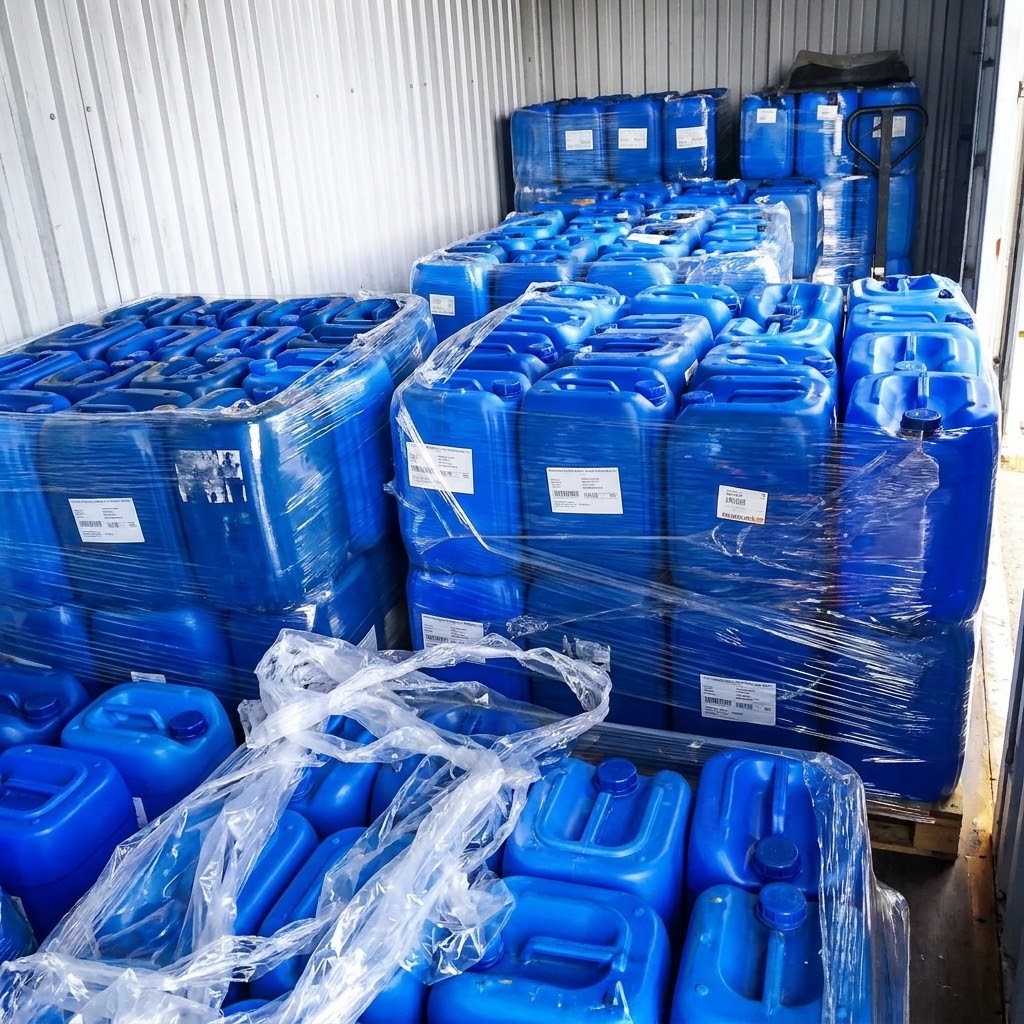
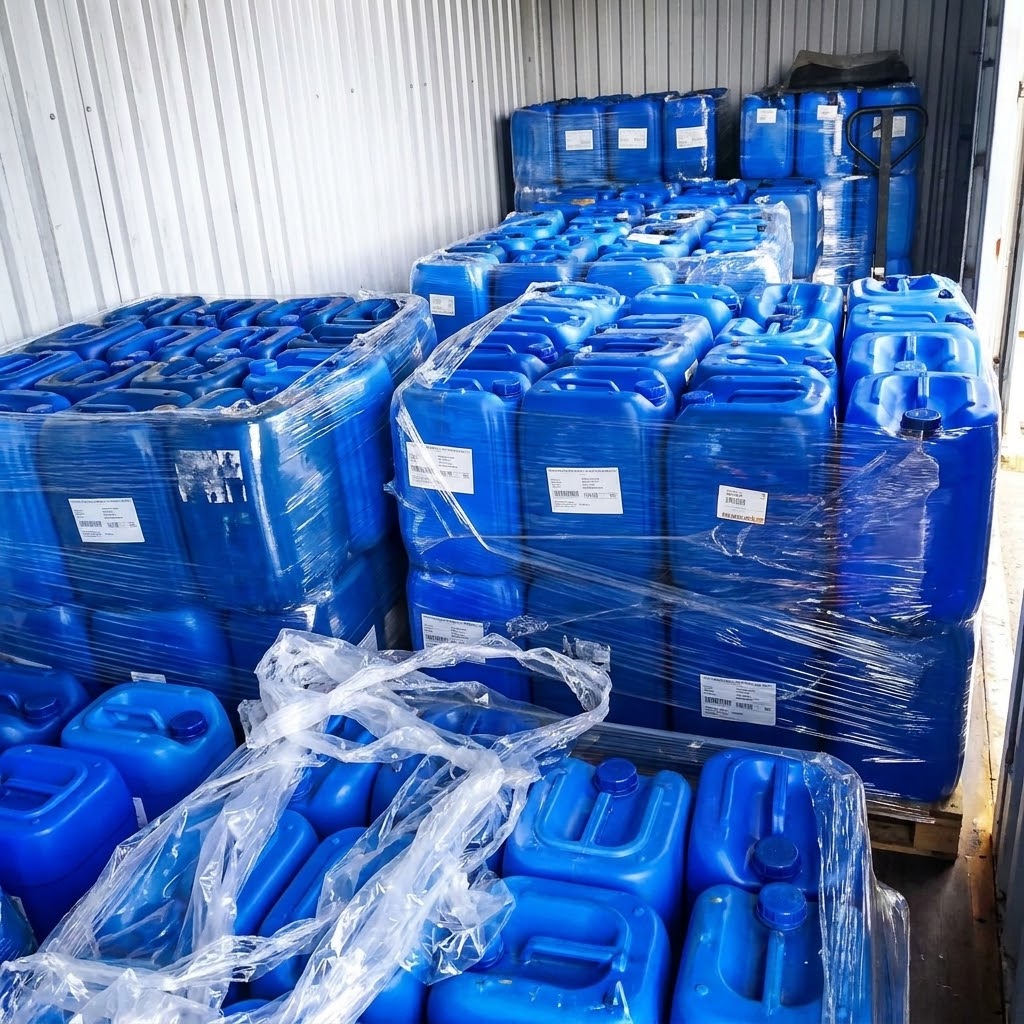
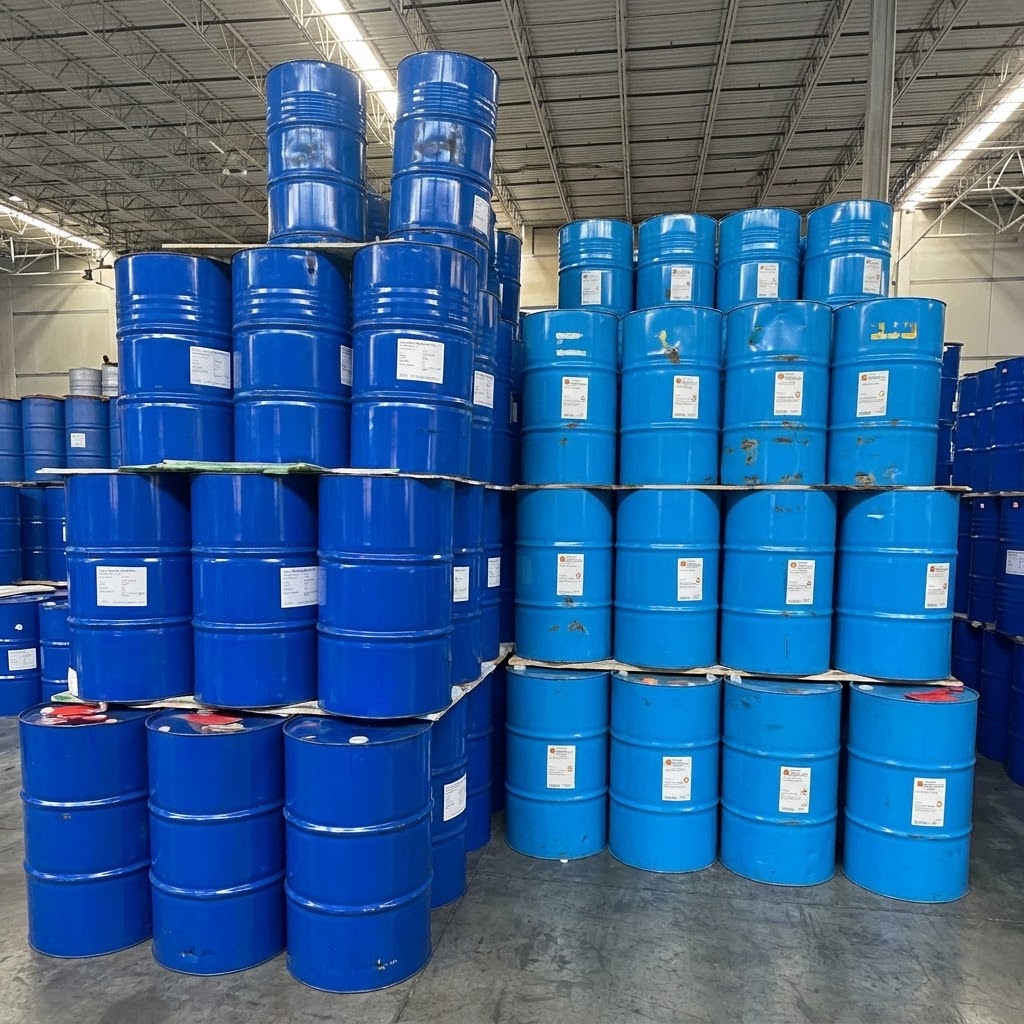
Packaging
- 20 kg fiber drum or carton box, lined with PE bag.
- Customized packaging available upon request.
Safety & Compliance
| Compliance Category | Status / Details |
|---|---|
| SDS/MSDS | Available Upon Request |
| GHS Classification | Skin Corr. 1B, Aquatic Acute 1 |
| UN No. | 1791 (Note: Corrected from 1090) |
| Transport Class | Class 8 (Corrosive) (Note: Corrected from Class 3) |
| Hazard Statements | H314 (Causes severe skin burns); H400 (Very toxic to aquatic life) |
| Labeling and Packaging | Compliant with international dangerous goods transport regulations |
| COA / TDS | Available Upon Request |
| Batch Traceability | Fully Implemented |
FAQ
-
Q: How to get more information about the product?A: You can contact us via email at info@zhpmchem.com or WhatsApp at +8618321309391 for more information about our products and company.
-
Q: Does the product meet our requirements regarding formulation, equipment, and processing?A: Yes, we will adjust the product formulation to your specific needs, ensuring it meets your processing requirements.
-
Q: What is the expected shelf life of your Sodium Hypochlorite?A: Due to its natural degradation, the standard shelf life is 3 to 6 months when stored properly in a cool, dark environment. We recommend rotating stock frequently and testing available chlorine levels before use in critical applications.
-
Q: Can this product be mixed with other cleaning chemicals?A: No. Sodium Hypochlorite should never be mixed with other chemicals, especially acids (which release toxic chlorine gas) or ammonia-based products (which produce toxic chloramines). Always use it independently or strictly according to validated chemical formulations.
-
Q: How does temperature affect the stability of the product?A: Heat significantly accelerates the decomposition of Sodium Hypochlorite into sodium chlorate and sodium chloride. For every 10°C increase in storage temperature, the degradation rate effectively doubles.
-
Q: Do you provide custom concentrations for specific industrial needs?A: Yes. While our standard industrial grade is 10-15%, our production facility can adjust the available chlorine concentration and alkalinity to meet the specific stability and application requirements of your operation.