


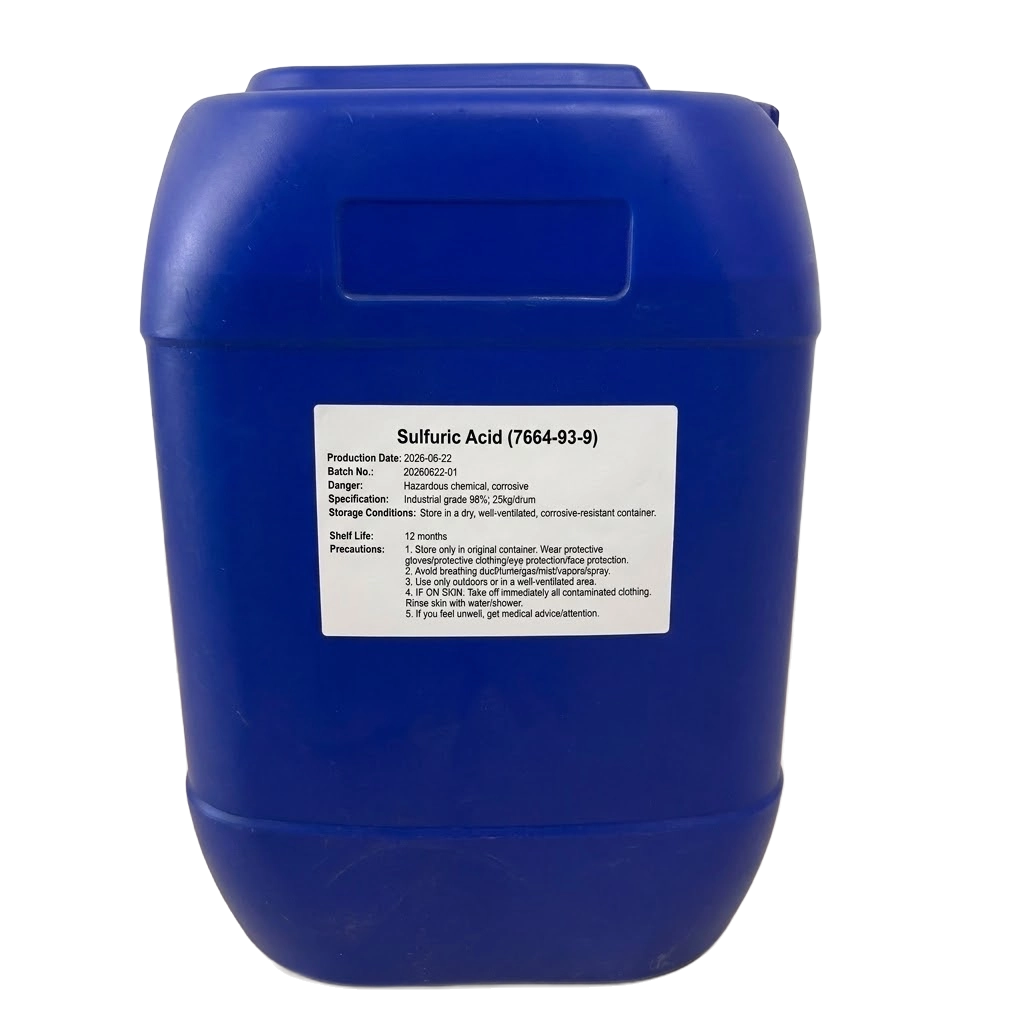
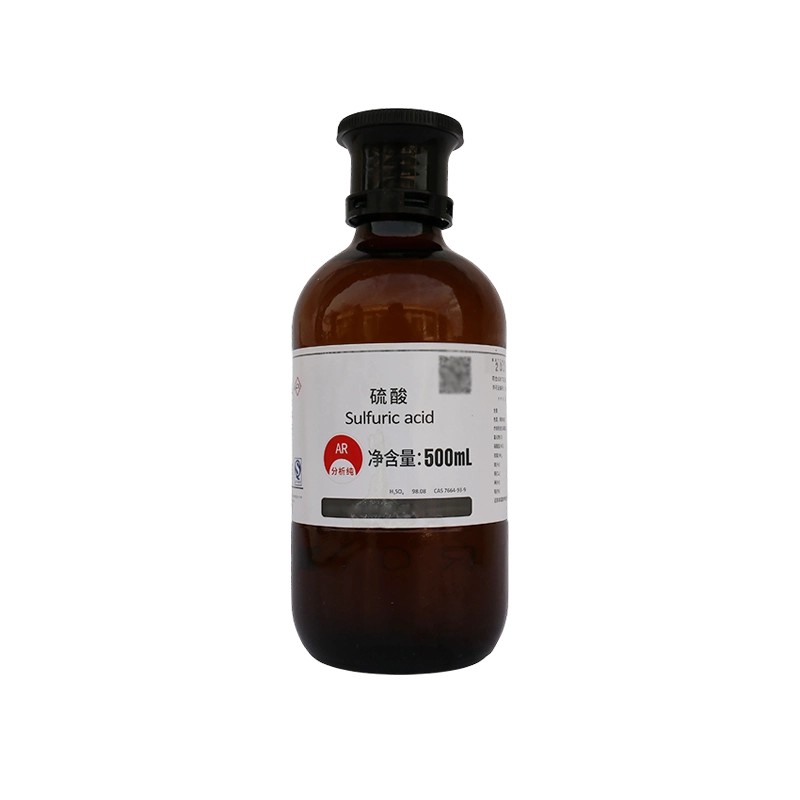
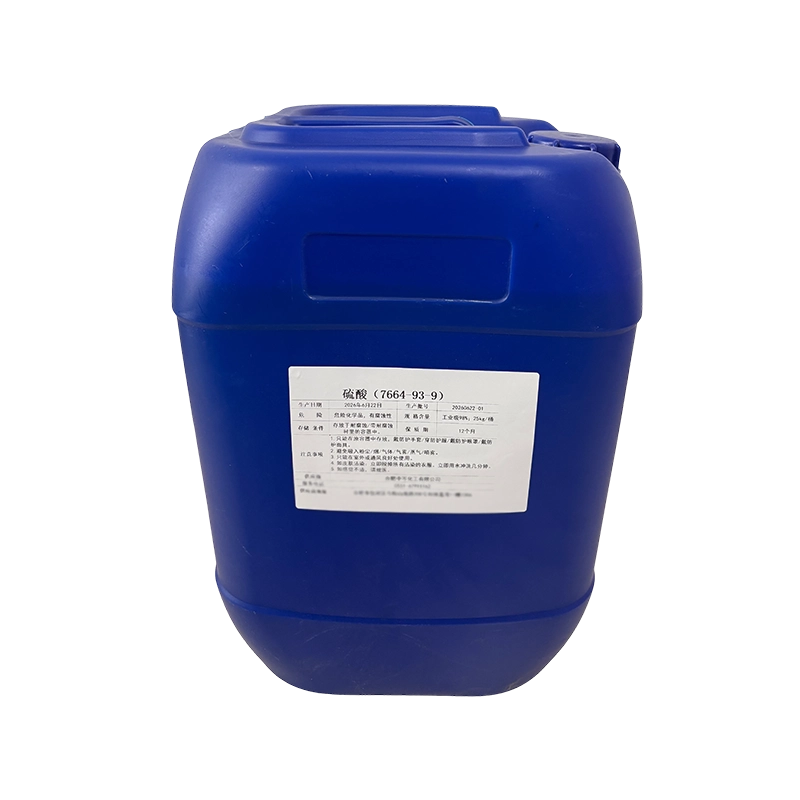
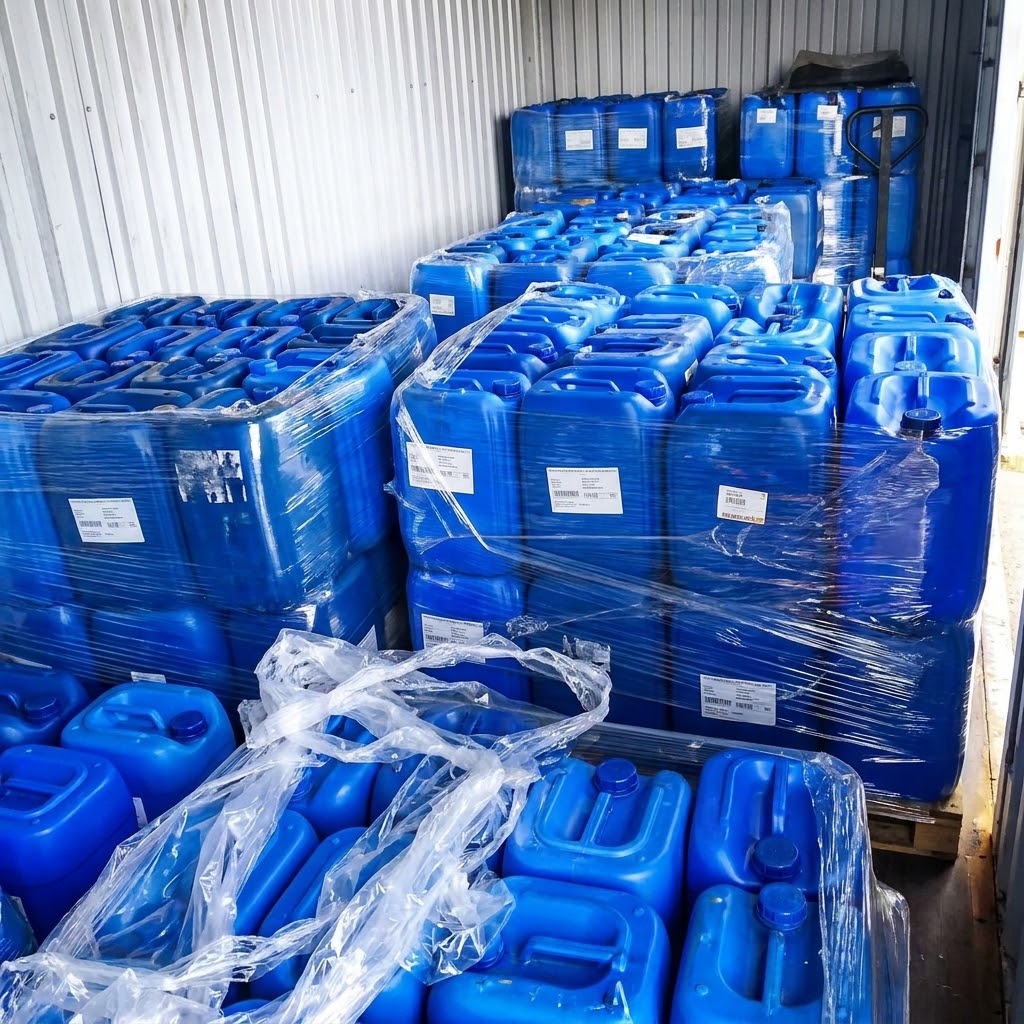
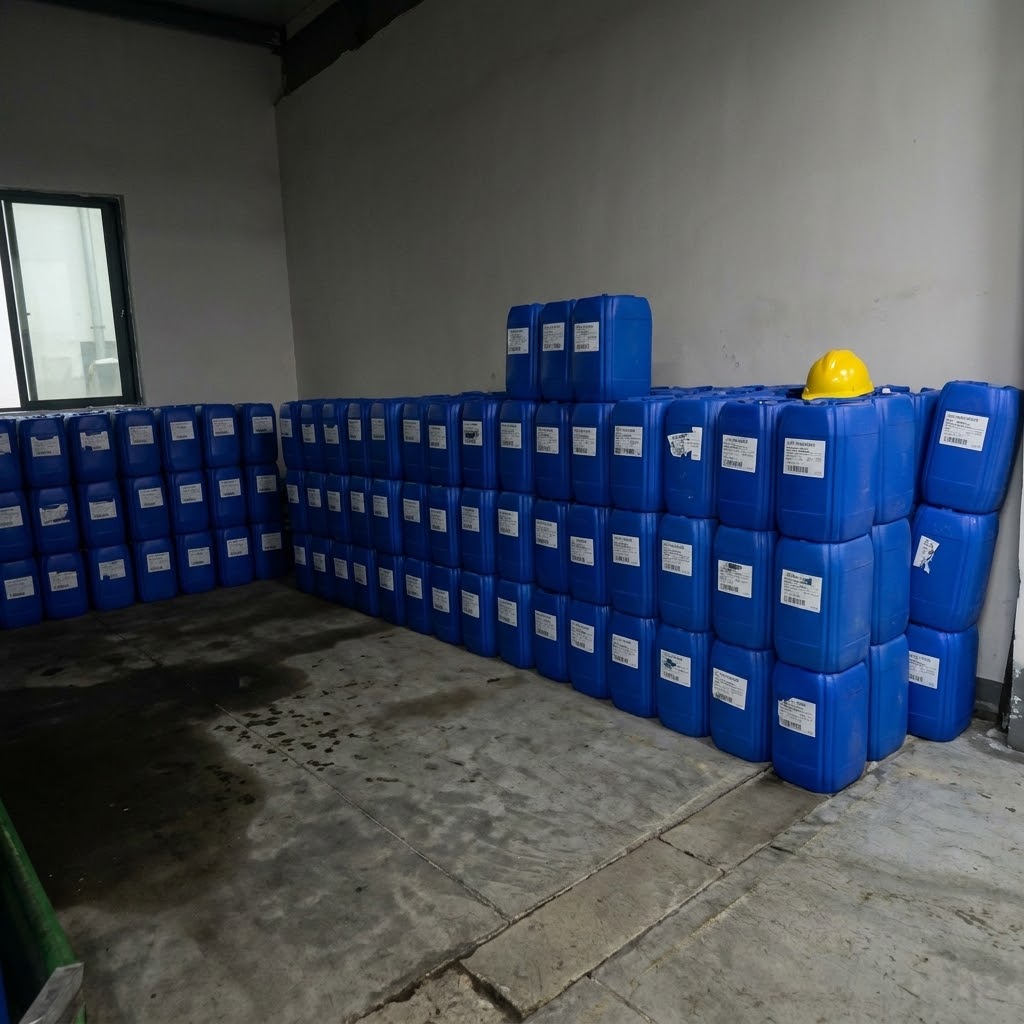
Sulfuric acid is a highly corrosive, dense, oily liquid that is colorless to slightly yellow. It is a strong mineral acid with powerful dehydrating and oxidizing properties. It is highly hygroscopic, readily absorbing water vapor from the air.
Sulfuric Acid CAS 7664-93-9
Description
- CAS: 7664-93-9
- Synonyms: Oil of Vitriol, Hydrogen Sulfate, Battery Acid
- Einecs: 231-639-5
- Molecular Formula: H_2SO_4
- Grade: Industrial, Reagent, and Battery Grades
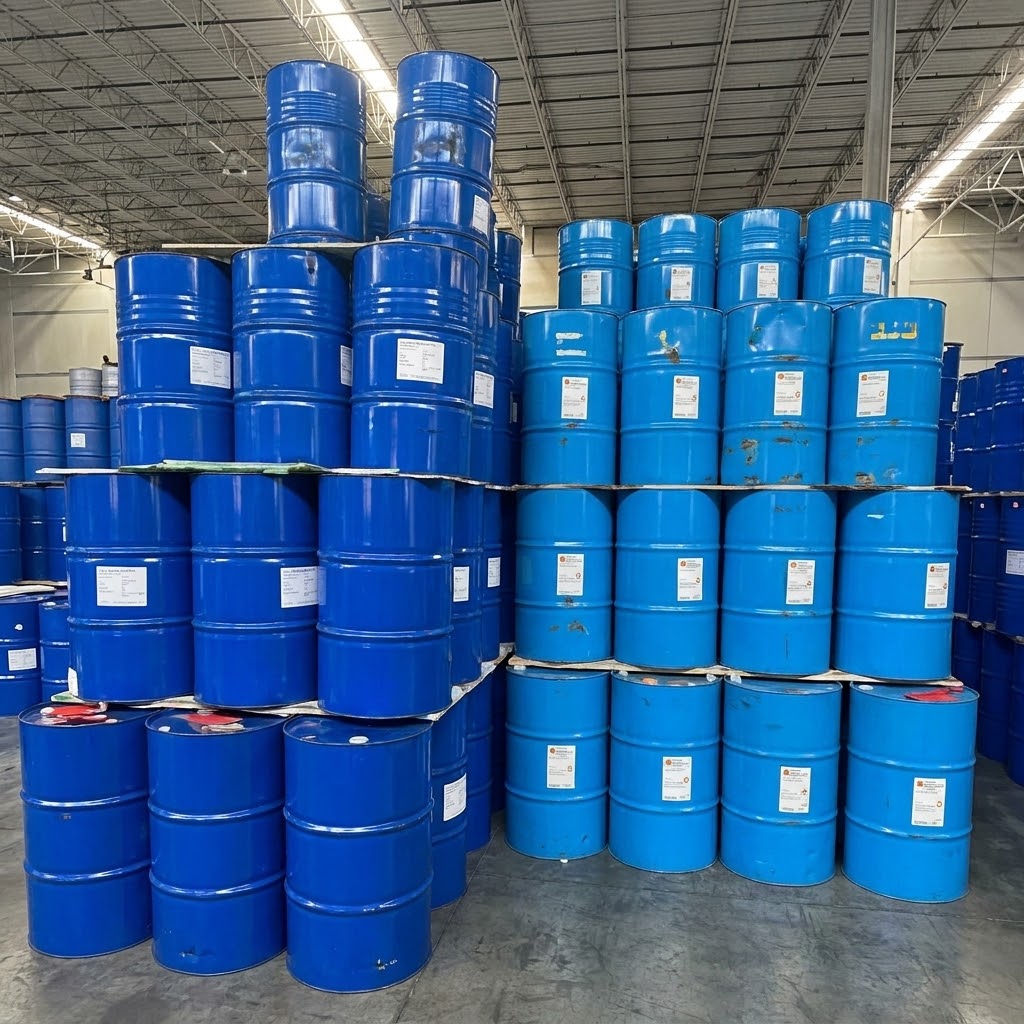
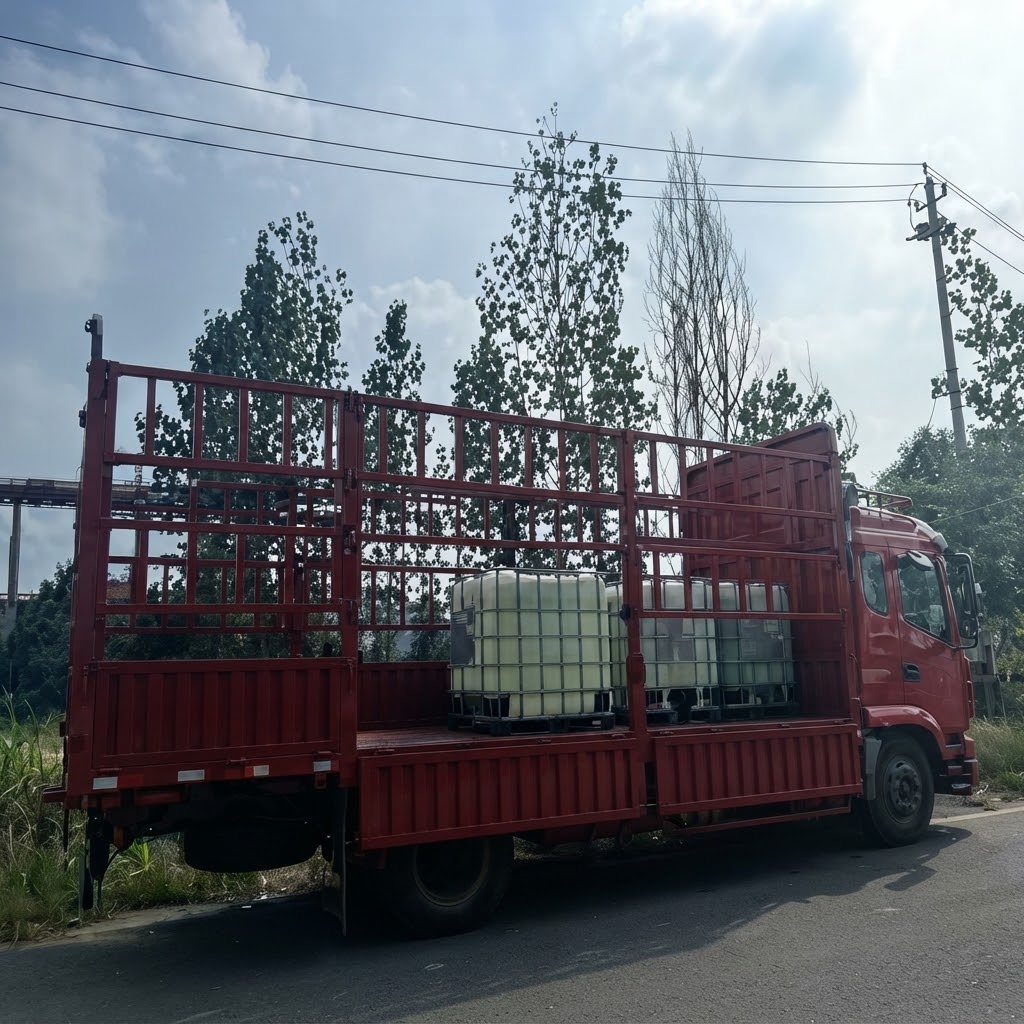
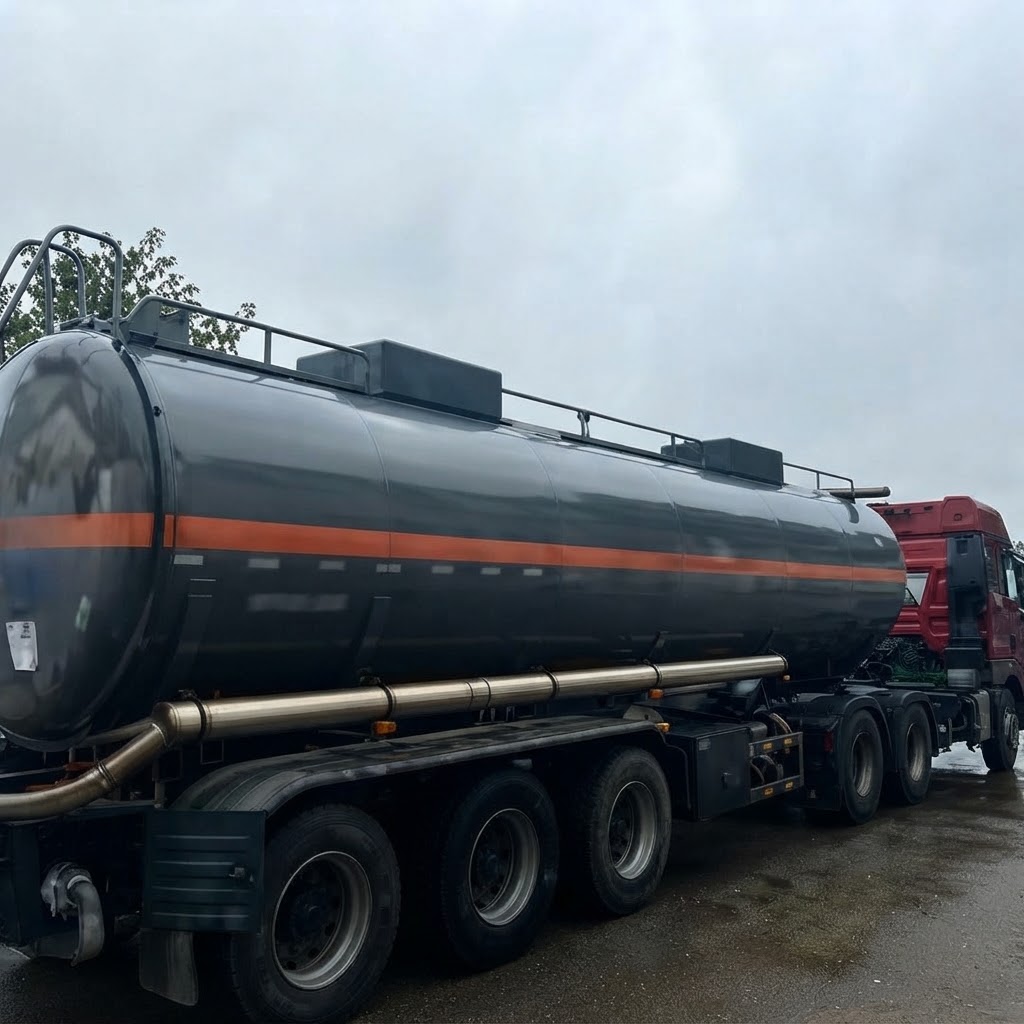
- Package: HDPE drums, IBC totes, or ISO tanks
Details
Chemical Reactions
- Neutralization: Reacts violently with bases to form sulfate salts and water.
- Reaction with Metals: Dilute sulfuric acid reacts with many metals to release hydrogen gas.
- Dehydration: Strips water molecules (H_2O) from organic compounds like carbohydrates.
Specifications
| Parameter | Specification |
|---|---|
| Appearance | Colorless to slightly yellow viscous liquid |
| Assay (Purity) | 98.0% min (Standard Industrial) |
| Melting Point | 10 °C (for 98% concentration) |
| Volatility | Low vapor pressure at room temperature |
| Ash Content | ≤0.05% |
| Solubility | Miscible with water (highly exothermic reaction) |
| Thermal Stability | Stable under normal conditions; decomposes at ~ 300℃ releasing SO_3 |
Applications
- Fertilizer Production: Acts as a fundamental raw material in manufacturing superphosphates and ammonium sulfate fertilizers.
- Petroleum Refining: Functions as an acidic catalyst in the alkylation process to produce high-octane gasoline.
- Battery Manufacturing: Serves as the primary electrolyte medium in lead-acid batteries, facilitating the chemical reaction that stores electrical energy.
- Chemical Synthesis: Operates as a crucial reactant, dehydrating agent, or pH adjuster in the production of dyes, explosives, detergents, and synthetic resins.
Storage Environment Requirements
- Ventilation & Climate: Store in a cool, dry, and well-ventilated area away from direct sunlight and heat sources.
- Segregation: Keep strictly separated from incompatible materials, including strong bases, organic materials, combustible substances, reducing agents, and reactive metals.
- Containers: Store in tightly sealed original containers equipped with secondary containment to catch potential leaks.
Handling & Usage Precautions
- Dilution Rule: Always add acid to water, never add water to acid. Adding water to concentrated sulfuric acid causes localized boiling and dangerous splashing.
- Personal Protective Equipment (PPE): Always wear acid-resistant gloves, a chemical splash apron, full-face shields, and chemical safety goggles when handling.
- Ventilation: Use only under a chemical fume hood or in areas with robust local exhaust ventilation to avoid inhaling corrosive mists or vapors.
Common Formulations & Functions
- Lead-Acid Battery Electrolyte:
- Formulation: 33-35% H_2SO_4 dissolved in distilled water.
- Function: Acts as the ion-conducting liquid that reacts with lead plates to generate electrical current during discharge.
- Piranha Solution (Cleaning Etchant):
- Formulation: Usually a 3:1 mixture of concentrated H_2SO_4 and hydrogen peroxide (H_2O_2).
- Function: Acts as an aggressively strong oxidizer used in microelectronics to remove stubborn organic residues from silicon wafers.
Packaging
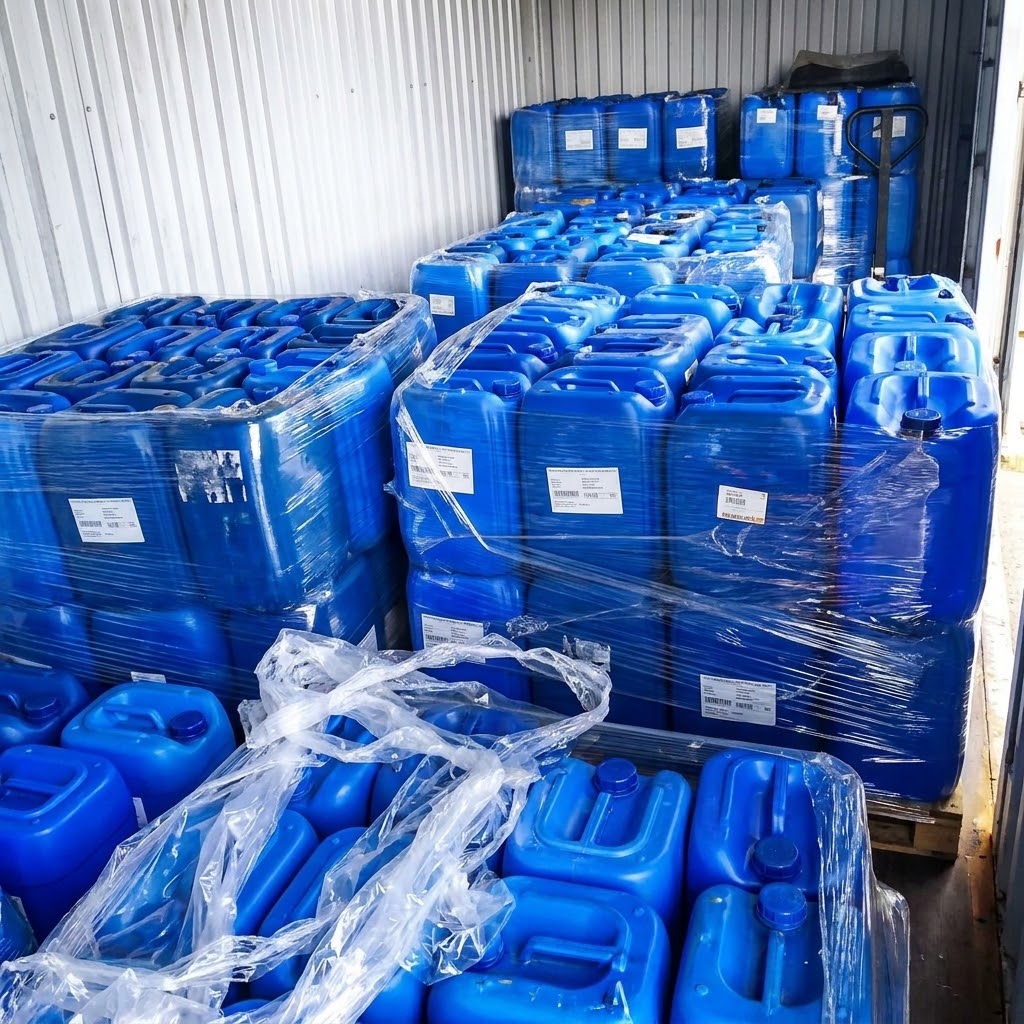
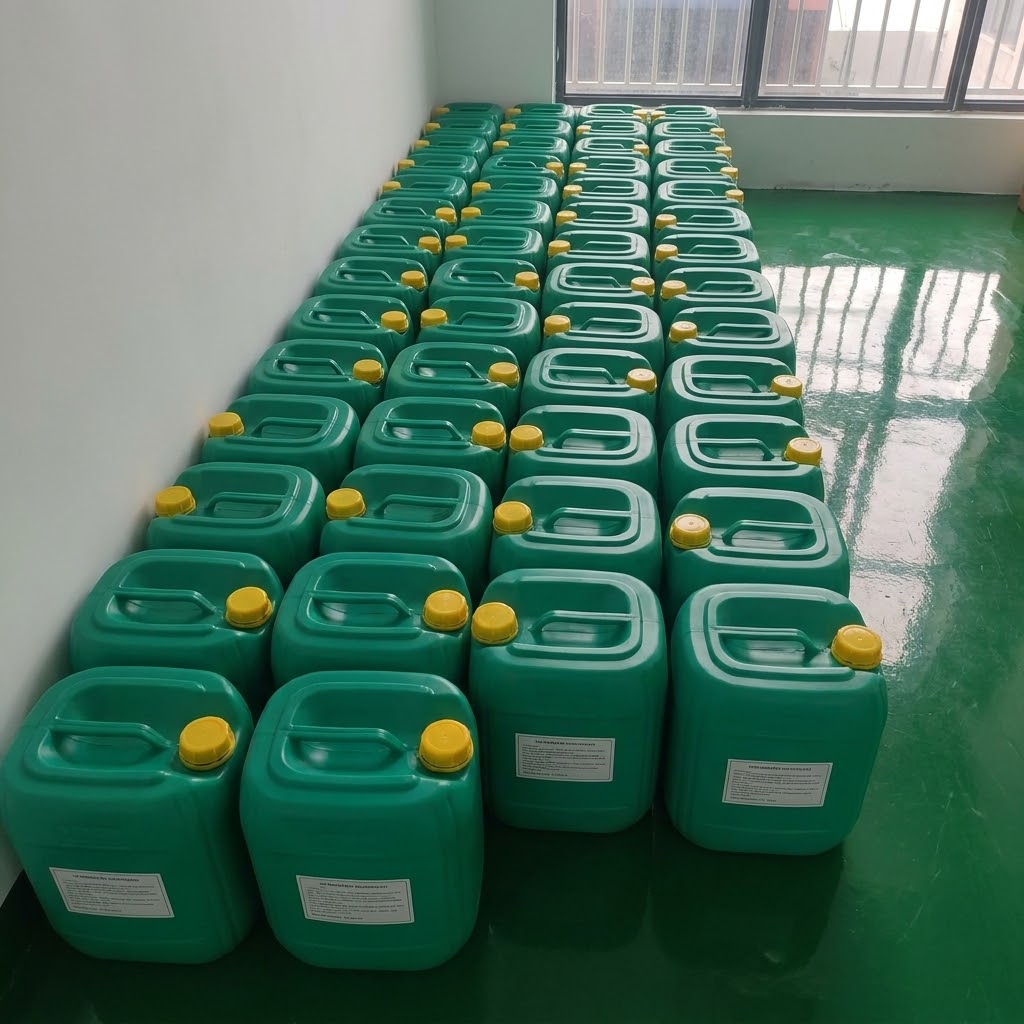
- Typically supplied in 250 kg / 300 kg high-density polyethylene (HDPE) drums, 1000 L IBC totes, or bulk ISO tanks.
- Customized packaging available upon request.
Safety & Compliance
| Documentation / Status | Details |
|---|---|
| SDS/MSDS | Available Upon Request |
| GHS Classification | Skin Corr. 1A, Eye Dam. 1, Met. Corr. 1 |
| UN No. | 1830 (Sulfuric acid with more than 51% acid) |
| Transport Class | 8 (Corrosive substances) |
| Hazard Statements | H314: Causes severe skin burns and eye damageH290: May be corrosive to metals |
| Labeling and Packaging | Fully compliant with local and international standards |
| COA / TDS | Available Upon Request |
| Batch Traceability | Fully Implemented |
FAQ
-
Q: How to get more information about the product?A: You can contact us via email at info@zhpmchem.com or WhatsApp at +8618321309391 for more information about our products and company.
-
Q: Does the product meet our requirements regarding formulation, equipment, and processing?A: Yes, we will adjust the product formulation to your specific needs, ensuring it meets your processing requirements.
-
Q: Why is it strictly required to add acid to water instead of water to acid?A: Diluting concentrated sulfuric acid is highly exothermic (releases a massive amount of heat). If you pour water into the acid, the water instantly boils on contact, causing the highly corrosive acid to splash violently. Adding acid slowly to a larger volume of water safely dissipates the heat.
-
Q: Does sulfuric acid expire or lose its potency over time?A: Sulfuric acid does not inherently expire or degrade over time if stored in a perfectly sealed container. However, because it is highly hygroscopic, exposing it to air will cause it to absorb ambient moisture, which slowly dilutes its concentration.
-
Q: How should I properly neutralize a small sulfuric acid spill?A: Never use plain water initially, as it will cause splattering. First, cautiously cover and neutralize the spill with an alkaline powder like sodium carbonate (soda ash), sodium bicarbonate (baking soda), or crushed limestone. Once bubbling stops and the acid is neutralized, the residue can be safely cleaned up with water.
-
Q: What is the difference between Battery Grade and Industrial Grade sulfuric acid?A: Battery Grade is specifically manufactured to have extremely low levels of impurities (especially heavy metals like iron or copper). High impurities in battery acid can cause self-discharge and shorten the lifespan of a lead-acid battery, whereas Industrial Grade prioritizes acid strength over absolute purity for bulk processing.