



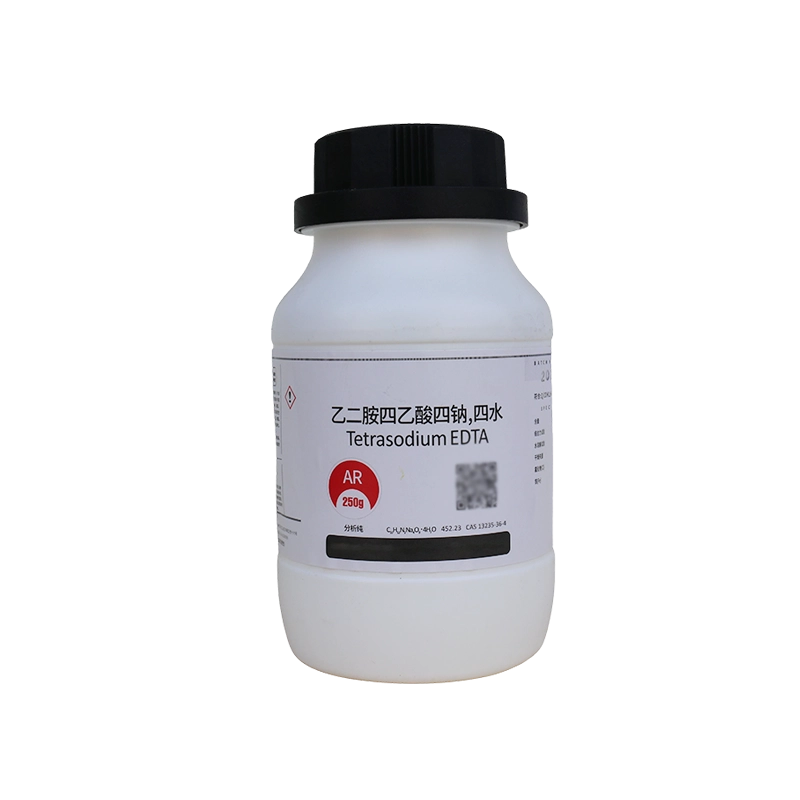
Tetrasodium EDTA is a highly effective, versatile chelating agent widely used across industrial, personal care, and agricultural applications to sequester metal ions and improve formulation stability.
Tetrasodium EDTA CAS 64-02-8
Description
- CAS: 64-02-8
- Synonyms: Edetate sodium, EDTA tetrasodium salt, Tetrasodium ethylenediaminetetraacetate, Na4EDTA, Trilon B
- Einecs: 200-573-9
- Molecular Formula: C_10H_12N_2Na_4O_8
- Grade: Industrial Grade, Cosmetic Grade, Agricultural Grade
- Package: As required
Details
Basic Properties: Tetrasodium EDTA is typically available as a white crystalline powder. It is an aminopolycarboxylic acid salt that exhibits high solubility in water, forming strongly alkaline solutions (typical pH range of 10.5–11.5 for a 1% aqueous solution).
Chemical Characteristics & Role: It functions as a potent hexadentate ligand and chelating agent. Its primary characteristic is the ability to bind with divalent and trivalent metal cations to form stable, water-soluble, ring-like coordination complexes.
Common Chemical Reactions:
- Chelation (Complexation): Reacts with heavy metal and hard water ions to form stable metal-EDTA complexes. This reaction prevents the metals from acting as catalysts in oxidative degradation or precipitating out of solution.
- Neutralization: As a strongly alkaline salt, it can react with acids to form lower sodium salts or free EDTA acid.
Technical Specifications
| Specification Item | Typical Value / Description |
|---|---|
| Appearance | White crystalline powder |
| Assay (Purity) | ≥ 99.0% |
| Melting Point | > 300 ℃ (Decomposes) |
| Volatility | Non-volatile under normal conditions |
| Ash Content | ≤ 0.1% (Heavy metals as Pb) |
| Solubility | Highly soluble in water (≈ 1000 g/L at 20℃); Insoluble in most organic solvents |
| Thermal Stability | Stable at room temperature; decomposes at high temperatures emitting toxic fumes of nitrogen oxides and carbon oxides |
Data Sheet Download
Applications
- Detergents and Cleaning Products:Acts as a water softener. It sequesters calcium and magnesium ions in hard water, preventing them from interfering with surfactants, thereby boosting cleaning efficiency and preventing scale buildup on fabrics and machine parts.
- Cosmetics and Personal Care:Functions as a stabilizer and preservative enhancer. By binding trace metals that can catalyze the oxidation of oils and fragrances, it prevents rancidity, discoloration, and textural changes.
- Agriculture (Fertilizers):Used to manufacture chelated micronutrients. It keeps these essential trace metals soluble and highly bioavailable for plant uptake in various soil pH conditions.
- Water Treatment:Prevents scale formulation and metal precipitation in boilers, cooling towers, and industrial piping.
Storage Environment Requirements
- Temperature & Climate: Store in a cool, dry, and well-ventilated area away from direct sunlight and moisture.
- Container Maintenance: Keep containers tightly closed when not in use. Tetrasodium EDTA is hygroscopic and can absorb moisture from the air, which may cause caking.
- Incompatibilities: Store away from strong oxidizing agents, strong acids, and reactive metals like aluminum (aqueous solutions can react with aluminum to produce flammable hydrogen gas).
Handling and Usage Precautions
- Personal Protective Equipment (PPE): Wear appropriate protective gear, including chemical safety goggles, gloves, and a dust mask if handling large quantities of powder, to prevent eye and skin irritation.
- Handling Procedures: Minimize dust generation and accumulation. Ensure adequate ventilation in the workspace. Avoid breathing dust and avoid direct contact with eyes, skin, and clothing.
- Hygiene: Wash hands and face thoroughly after handling the product. Do not eat, drink, or smoke in the handling area.
Formulation
- Liquid Hand Soaps / Shampoos (Cosmetic formulation):
- Usage: Typically added at 0.1% – 0.5%.
- Role: Counteracts the defoaming effect of hard water ions, resulting in a richer, more stable lather. It also works synergistically with primary preservatives to extend the product’s shelf life.
- Heavy-Duty Liquid Laundry Detergents (Household/Industrial):
- Usage: Can range from 0.5% – 2.0%.
- Role: Captures metal ions present in both the wash water and the soils/stains, preventing the redeposition of dirt onto fabrics and maintaining the chemical balance and visual clarity of the liquid formula.
Packaging
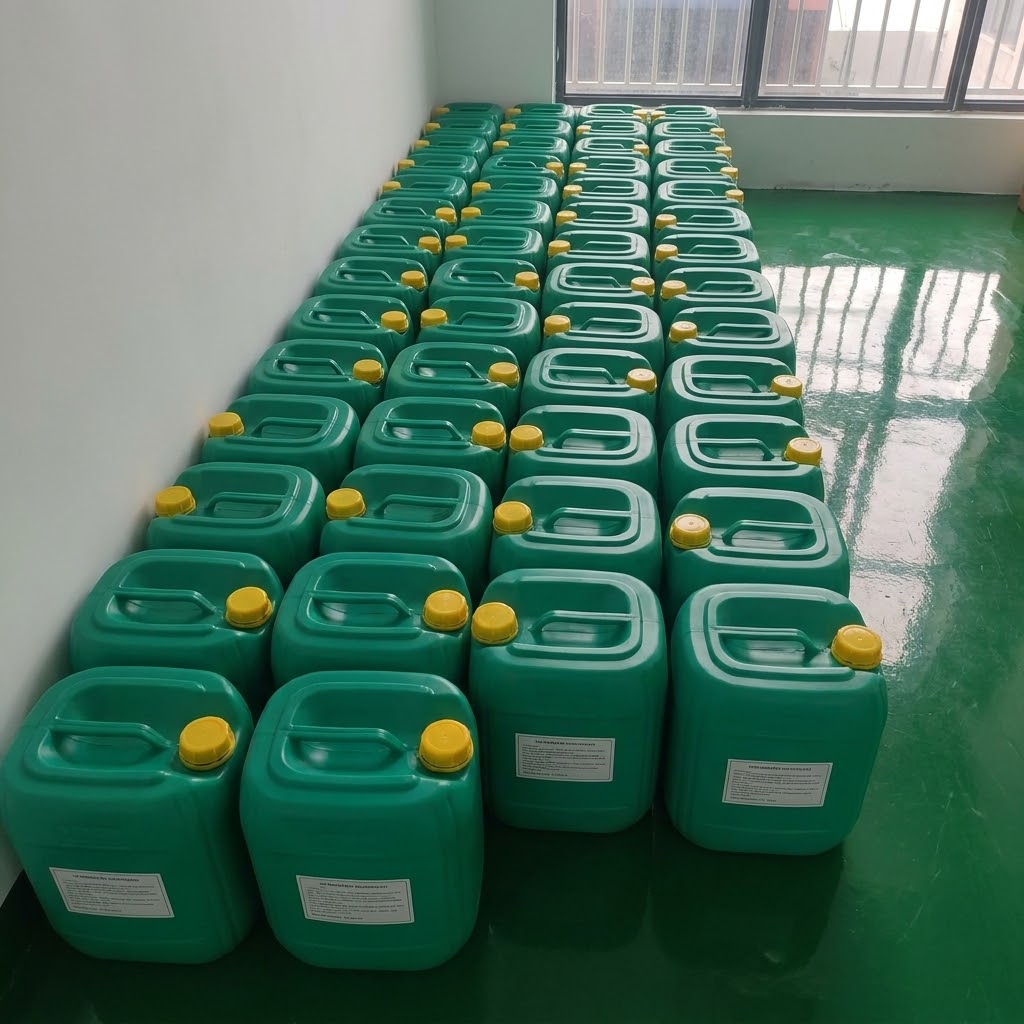
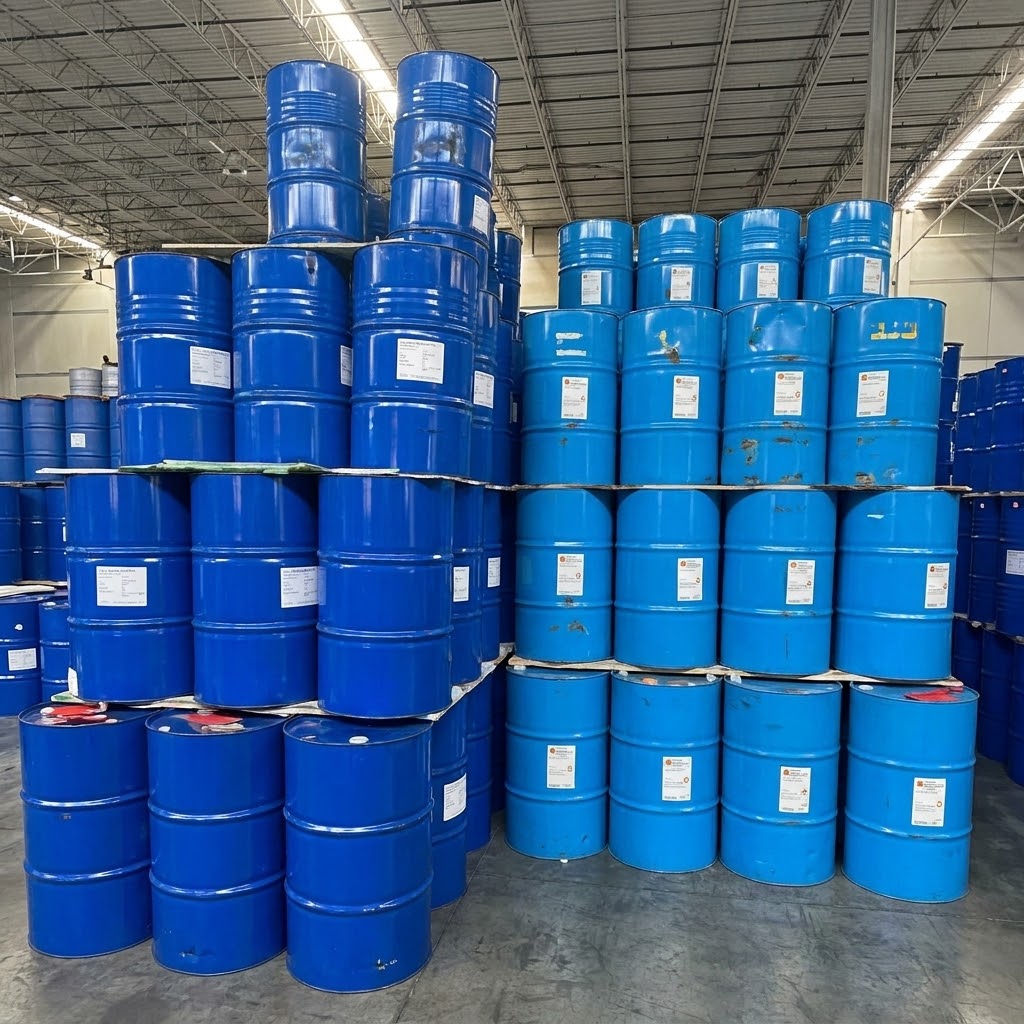
- Standard Packaging: Typically supplied in 25 kg multi-layer Kraft paper bags with an inner PE liner, or 25 kg PP woven bags to ensure moisture resistance.
- Bulk Packaging: 500 kg or 1000 kg FIBC (Flexible Intermediate Bulk Container) jumbo bags for industrial bulk consumers.
- Customization: Custom packaging sizes, labeling, and palletization are available as required by the customer.


Safety and Compliance
| Compliance & Safety Item | Status / Details |
|---|---|
| SDS/MSDS Available | Yes (Provided upon request or via download) |
| GHS Classification | Acute Toxicity (Oral) – Category 4 Serious Eye Damage/Eye Irritation – Category 1 |
| UN No. | Not regulated as hazardous materials for transport |
| Transport Class | Non-hazardous goods |
| Hazard Statements | H302: Harmful if swallowed. H318: Causes serious eye damage. |
| Labeling and Packaging Compliance | Fully compliant with standard GHS guidelines and international trade requirements |
| COA / TDS Available | Yes, Available Upon Request with every shipment |
| Batch Traceability | Fully implemented; lot numbers are assigned and tracked from production to delivery |
FAQ
-
Q: How to get more information about the product?A: You can contact us via email at info@zhpmchem.com or WhatsApp at +8618321309391 for more information about our products and company.
-
Q: Does the product meet our requirements regarding formulation, equipment, and processing?A: Yes, we will adjust the product formulation to your specific needs, ensuring it meets your processing requirements.
-
Q: What is the main difference between Tetrasodium EDTA and Disodium EDTA?A: Both are EDTA salts used for chelation, but their pH levels and solubilities differ. Tetrasodium EDTA is highly alkaline (pH ~11) and is extremely water-soluble, making it ideal for alkaline formulations like soaps and heavy-duty cleaners. Disodium EDTA is mildly acidic to neutral (pH ~4-6) and is preferred for neutral or acidic formulations like skin creams and lotions.
-
Q: Is Tetrasodium EDTA safe for use in skin care and cosmetic products?A: Yes. It is considered safe for use in cosmetics when used at low concentrations (typically < 1%). It acts purely as a stabilizer in the formulation, does not readily penetrate the skin barrier, and prevents metal-induced degradation of the product.
-
Q: How exactly does Tetrasodium EDTA "soften" water?A: Hard water contains dissolved minerals, primarily calcium (Ca^{2+}) and magnesium (Mg^{2+}). Tetrasodium EDTA binds tightly to these metal ions, wrapping around them to form a stable, water-soluble complex. Once complexed, these ions can no longer react with soap or detergent molecules, allowing the cleaning agents to lather properly and work efficiently.
-
Q: Can Tetrasodium EDTA powder be mixed directly with other fertilizer ingredients for agricultural use?A: Yes, it is heavily utilized in agriculture. It is often reacted with metal salts (like zinc, iron, or copper) to produce chelated micronutrients. The EDTA molecule protects the metal ions from precipitating out in the soil, ensuring that plants can easily absorb the essential nutrients regardless of adverse soil pH levels.