


Hydrochloric acid is a strong, highly corrosive, and completely dissociated inorganic acid. In its aqueous form, it appears as a colorless to slightly yellow, transparent liquid with a distinctly pungent and irritating odor.
Hydrochloric Acid CAS 7647-01-0
Description
- CAS: 7647-01-0
- Synonyms: Muriatic acid, Spirits of salt, Hydrogen chloride (aqueous)
- Einecs: 231-595-7
- Molecular Formula: HCl
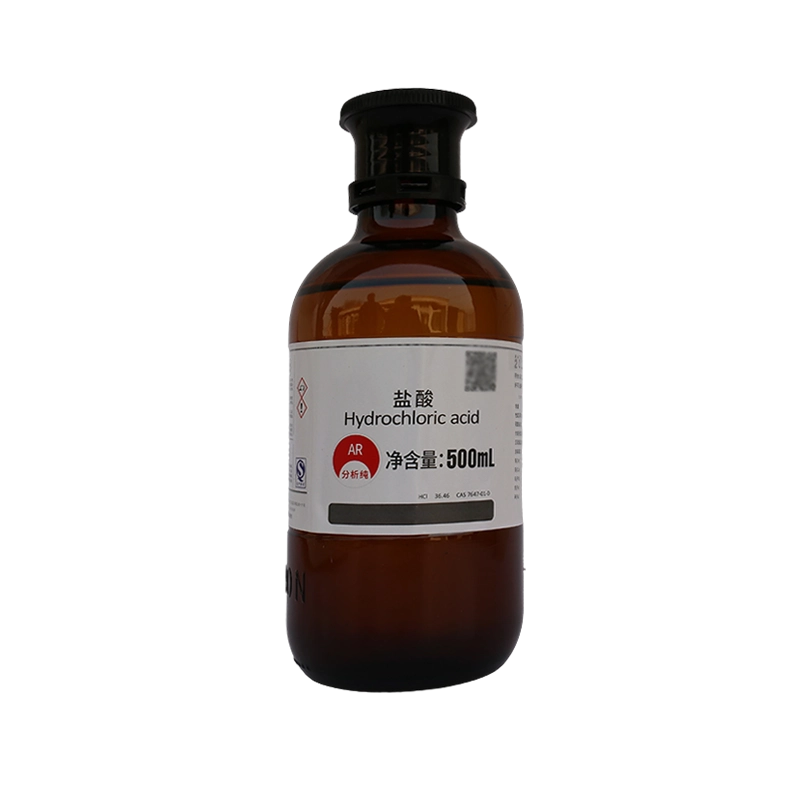
- Grade: Industrial Grade, Reagent Grade, Food Grade
- Package: As required
Details
Chemical Reactions
- Reaction with Metals: Reacts vigorously with base metals (such as zinc, iron, and magnesium) to produce metal chlorides and highly flammable hydrogen gas.
- Neutralization: Reacts rapidly with bases (such as sodium hydroxide or ammonia) to form stable salts and water, generating significant heat.
- Reaction with Carbonates: Dissolves carbonates and bicarbonates, releasing carbon dioxide gas, which is widely utilized in descaling applications.
Specifications
| Parameter | Specification |
| Appearance | Colorless to pale yellow transparent liquid |
| Assay (Purity) | 31.0% – 37.0% (Grade dependent) |
| Melting Point | Approx. -30 °C (31.5% solution) |
| Volatility | High (Emits white fumes in moist air at high concentrations) |
| Ash Content | ≤ 0.05% |
| Solubility | Fully miscible with water and alcohol |
| Thermal Stability | Stable at room temperature; releases toxic HCl gas when heated |
Applications
- Steel Pickling: Acts as the primary agent to remove rust, iron oxide scales, and impurities from steel surfaces before subsequent processing (e.g., galvanizing or extrusion).
- Chemical Synthesis: Essential in the large-scale production of organic and inorganic chlorides, including Polyvinyl Chloride (PVC), bisphenol A, and water treatment chemicals like polyaluminum chloride (PAC).
- Water Treatment: Used for strict pH control and neutralization of alkaline waste streams in industrial and municipal water treatment plants.
- Food Industry: Applied in the production of gelatin, processing of sugar, and as an acidifier in various food manufacturing processes (requires strictly Food Grade HCl).
Storage Requirements
- Environment: Store in a cool, dry, and well-ventilated area, strictly out of direct sunlight and away from heat sources.
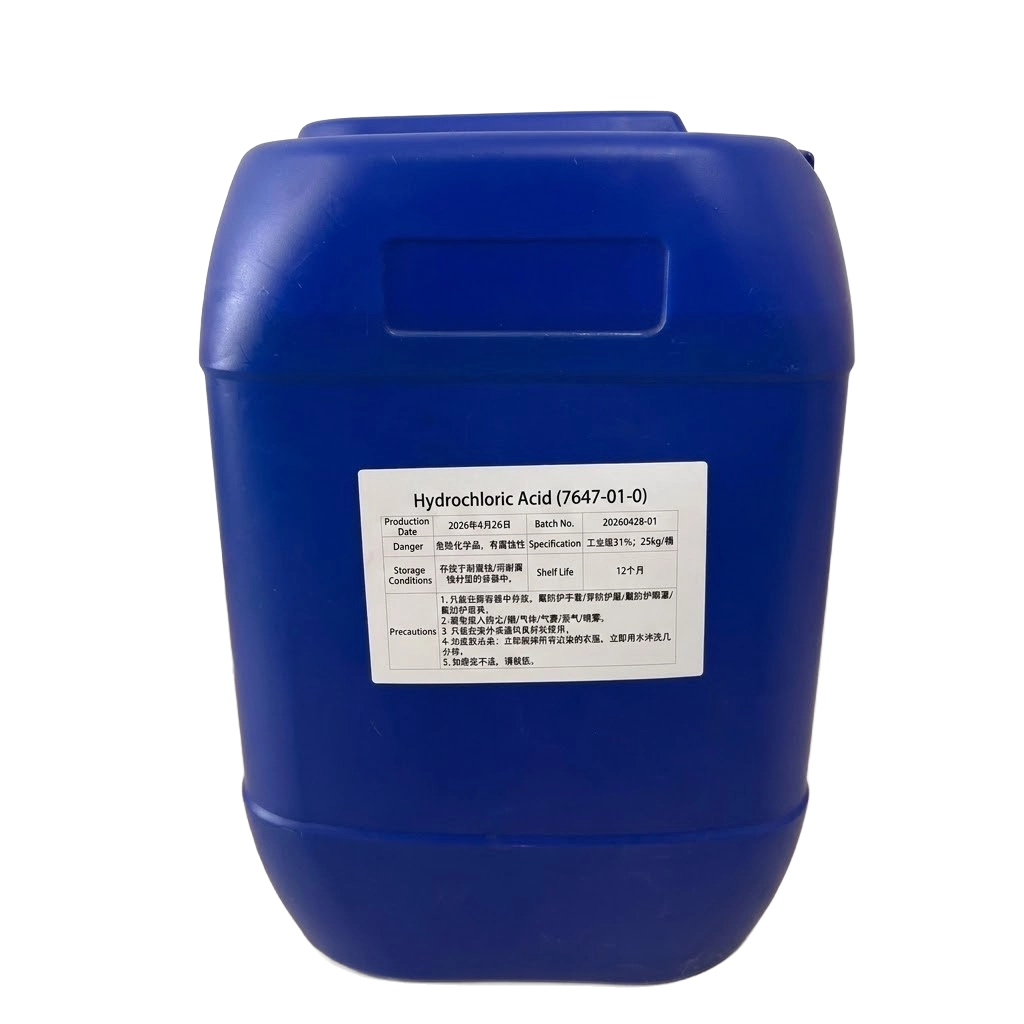
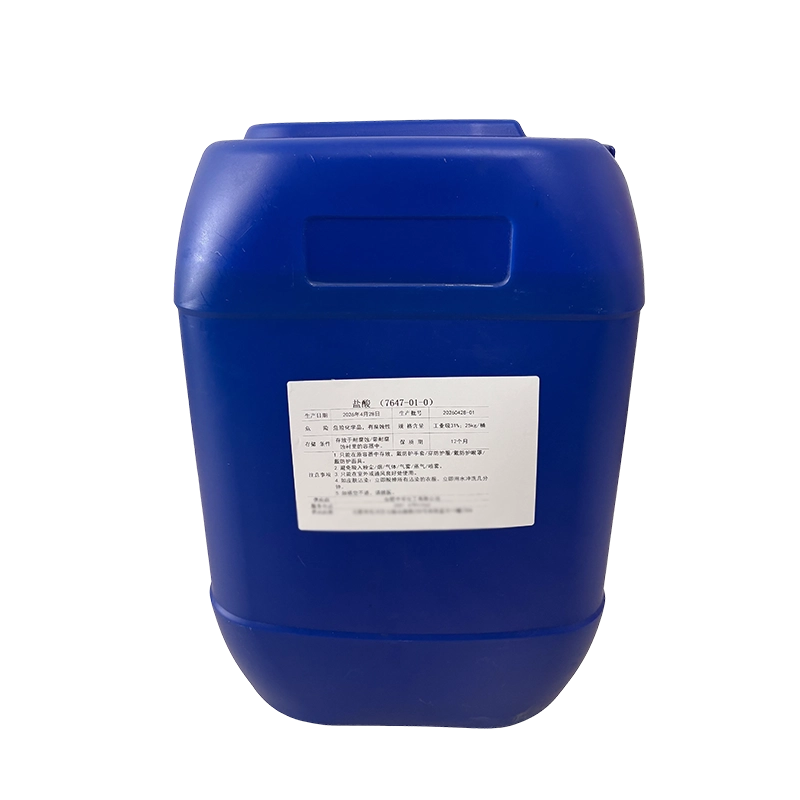
- Containment: Must be stored in designated acid-resistant containers (e.g., rubber-lined steel, PVC, FRP, or HDPE).
- Segregation: Keep completely separated from incompatible substances, particularly strong alkalis, oxidizing agents (like bleach/sodium hypochlorite), and active metals.
- Facilities: Storage areas must feature acid-resistant flooring, proper secondary containment (bunding) to manage spills, and emergency eye-wash/shower stations.
Handling & Usage Precautions
- Personal Protective Equipment (PPE): Always wear acid-resistant gloves, a chemical splash apron, safety goggles, and a full face shield. Use a respirator in areas with poor ventilation.
- Ventilation: Use only in well-ventilated areas or under a chemical fume hood to avoid inhaling corrosive vapors.
- Dilution Rule: Always add acid to water slowly while stirring constantly. Never add water to acid, as the rapid heat generation can cause explosive boiling and severe splashing.
- Spill Response: In case of contact with skin or eyes, flush immediately with copious amounts of water for at least 15 minutes and seek immediate medical attention.
Formulations
Packaging Options
To accommodate different scale requirements, we provide flexible, acid-resistant packaging solutions:
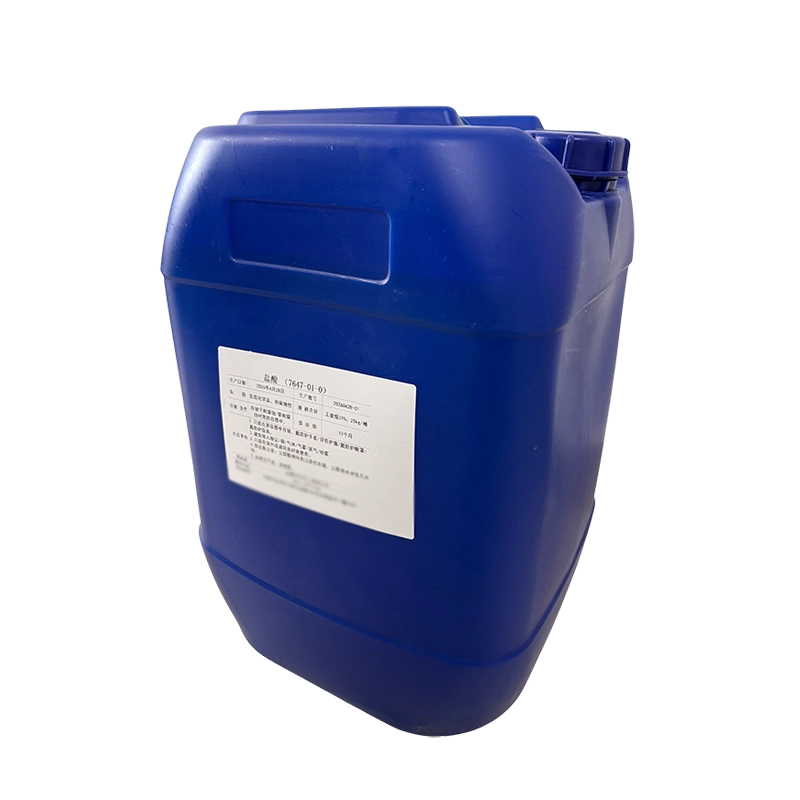
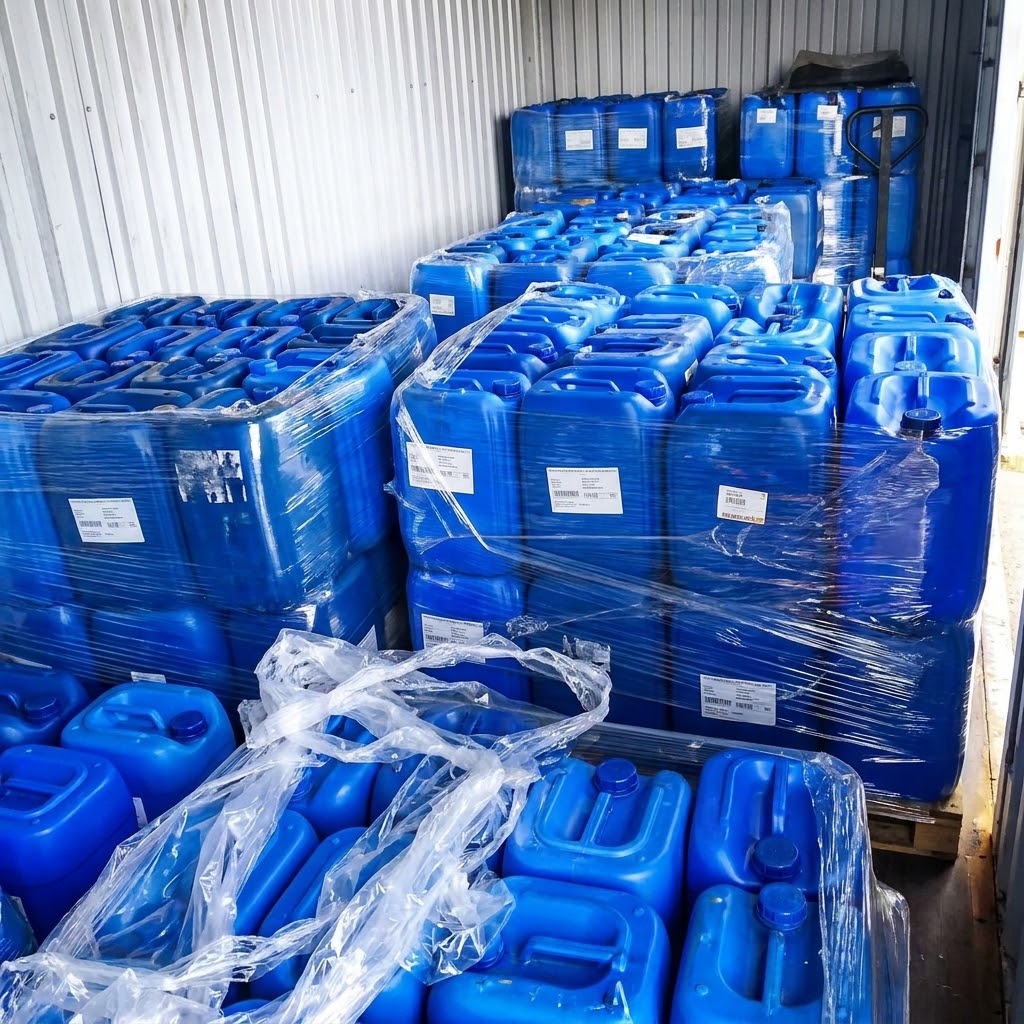
- Small Scale: 25L / 30L High-Density Polyethylene (HDPE) drums.
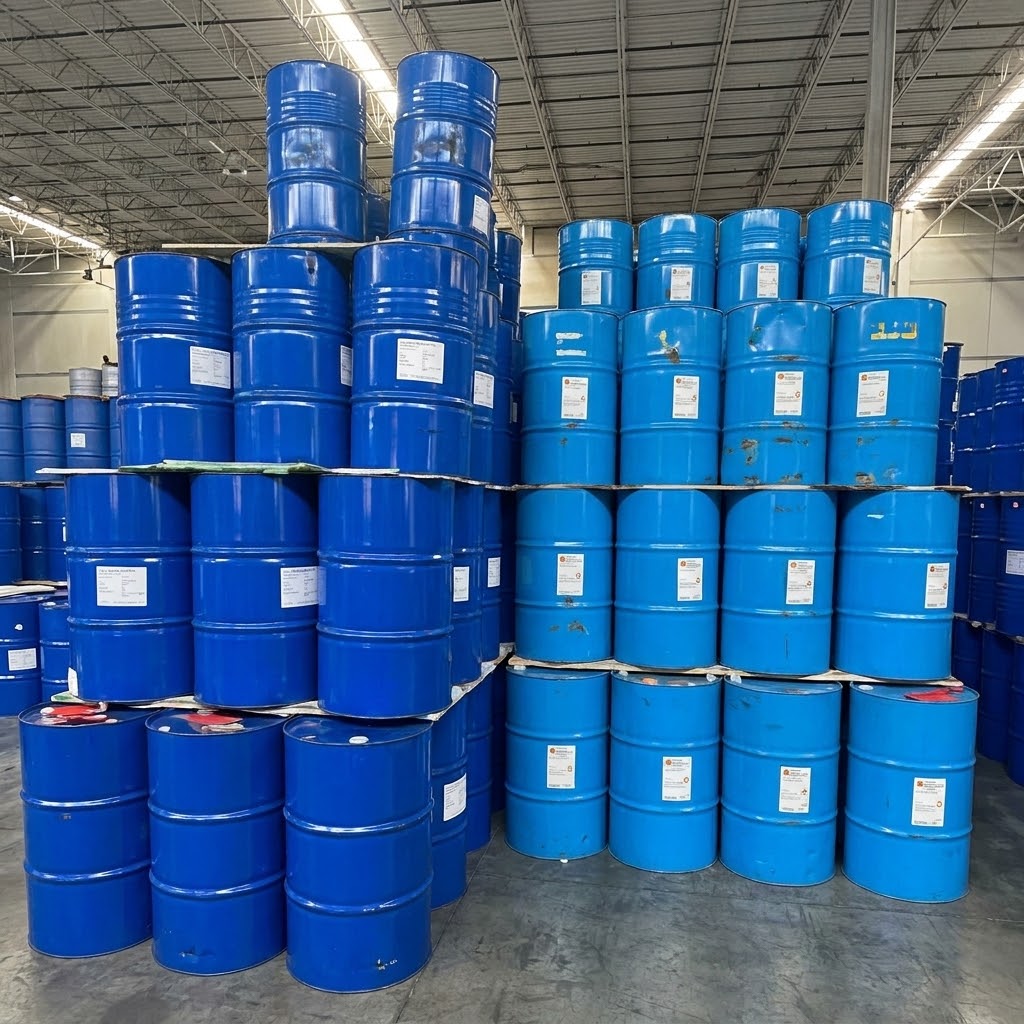
- Medium Scale: 200L / 210L HDPE drums.
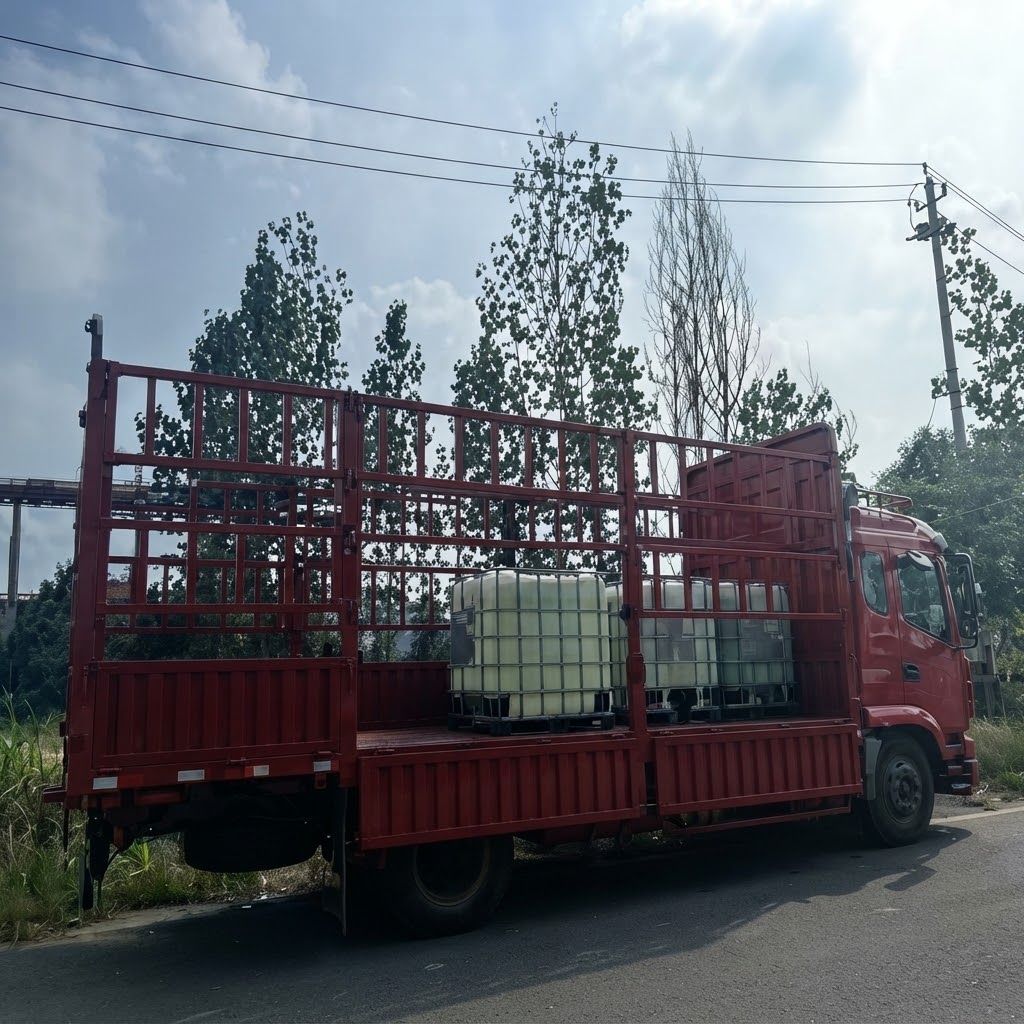
- Large Scale: 1000L IBC Totes.
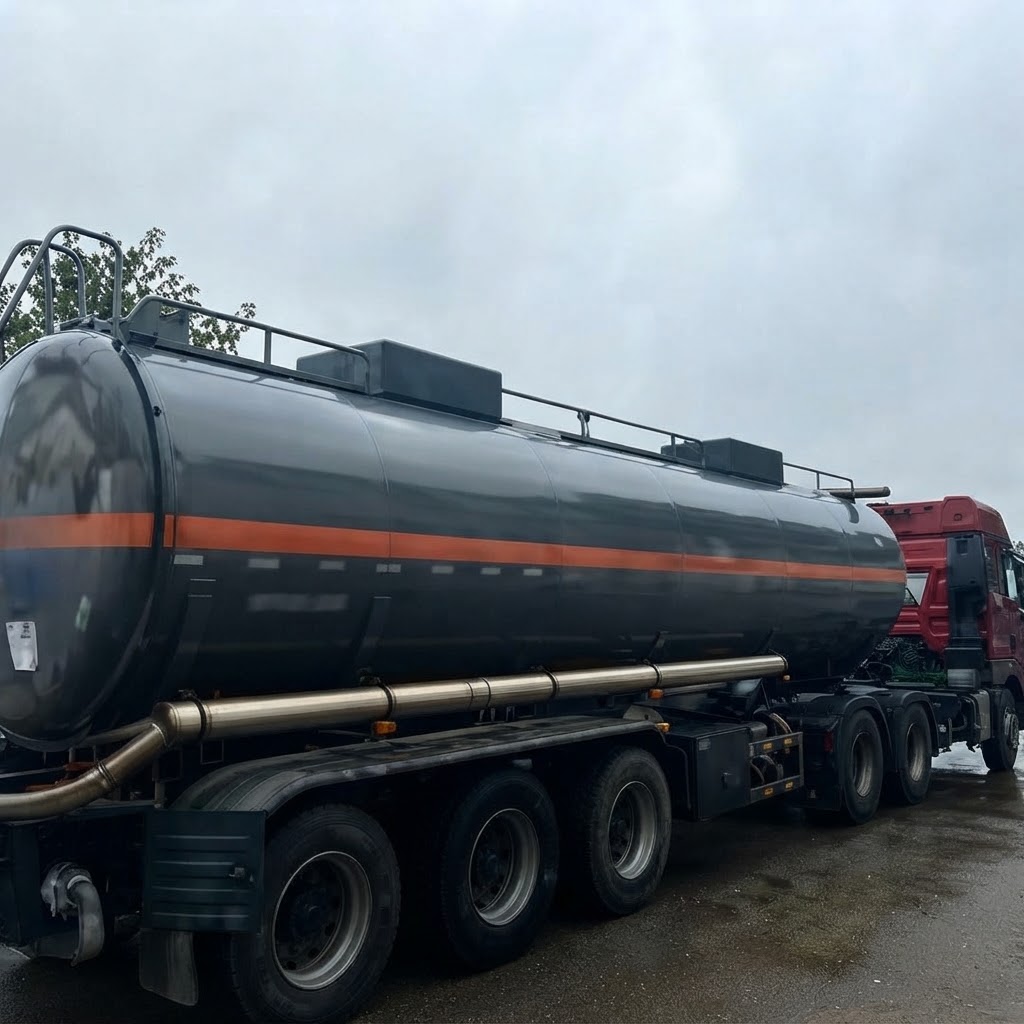
- Bulk Deliveries: ISO Tanks and dedicated bulk tanker trucks.
Safety & Compliance Information
| Compliance & Safety | Detail |
| SDS/MSDS | Available Upon Request |
| GHS Classification | Met. Corr. 1, Skin Corr. 1B, Eye Dam. 1, STOT SE 3 |
| UN No. | 1789 |
| Transport Class | Class 8 (Corrosive Substances) |
| Hazard Statements | H290, H314, H335 |
| Labeling & Packaging | Fully compliant with local and international GHS standards |
| COA / TDS | Available Upon Request |
| Batch Traceability | Fully implemented |
FAQ
-
Q: How to get more information about the product?A: You can contact us via email at info@zhpmchem.com or WhatsApp at +8618321309391 for more information about our products and company.
-
Q: Does the product meet our requirements regarding formulation, equipment, and processing?A: Yes, we will adjust the product formulation to your specific needs, ensuring it meets your processing requirements.
-
Q: What is the difference between Hydrochloric Acid and Muriatic Acid?A: Muriatic acid is a traditional, commercial name for a less pure grade of hydrochloric acid. It typically has a concentration of around 31.5% and a slightly yellow tint due to trace iron impurities. Pure reagent-grade hydrochloric acid is completely clear.
-
Q: What happens if Hydrochloric Acid is mixed with bleach?A: You should never mix hydrochloric acid with bleach (sodium hypochlorite). The reaction rapidly produces toxic chlorine gas, which is highly dangerous and potentially fatal if inhaled.
-
Q: Which materials are safe for transferring and pumping HCl?A: Standard metals like stainless steel will corrode rapidly. You must use pumps and pipes made from highly resistant materials such as PTFE (Teflon), PVDF, PVC, or specific high-density plastics (HDPE).
-
Q: How should I manage and clean up a minor HCl spill?A: Evacuate unnecessary personnel and wear proper PPE. Contain the spill using inert absorbent materials (like sand or earth, never combustible materials like sawdust). Neutralize the spilled acid carefully with a weak base, such as sodium carbonate (soda ash) or sodium bicarbonate, before collecting the residue for specialized chemical disposal.