


N-Methyl-2-pyrrolidone (NMP) is a nitrogen-containing heterocyclic compound and a highly polar, aprotic solvent. It is characterized by its low toxicity, high boiling point, outstanding solvency, low volatility, and excellent thermal and chemical stability.
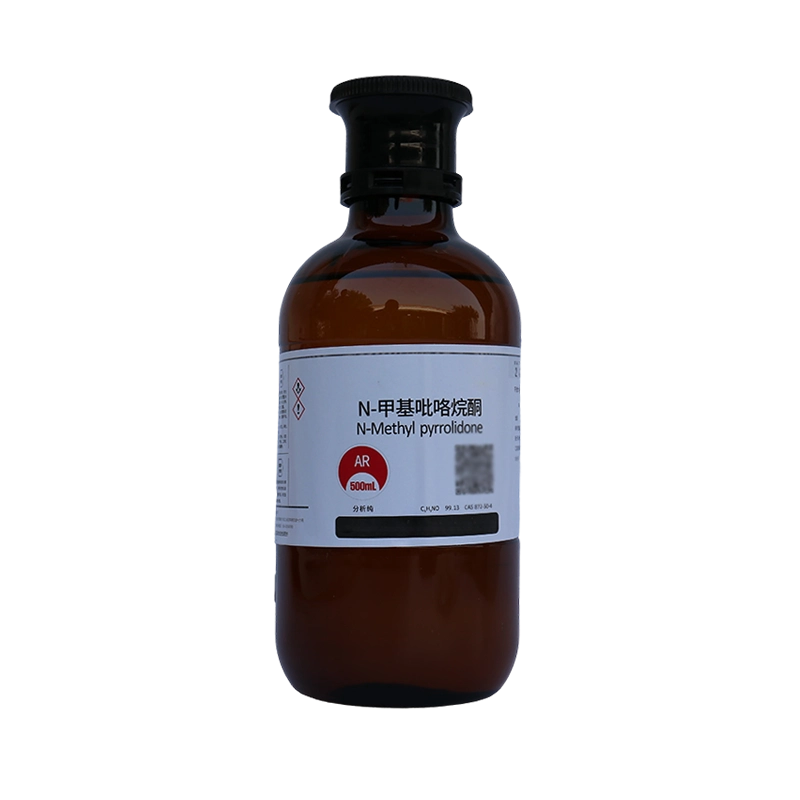
N-Methyl-2-pyrrolidone NMP CAS 872-50-4
Description
- CAS: 872-50-4
- Synonyms: N-Methylpyrrolidone, 1-Methyl-2-pyrrolidone, M-PYROL
- Einecs: 212-828-1
- Molecular Formula: C5H9NO
- Grade: Battery Grade, Electronic Grade, Industrial Grade
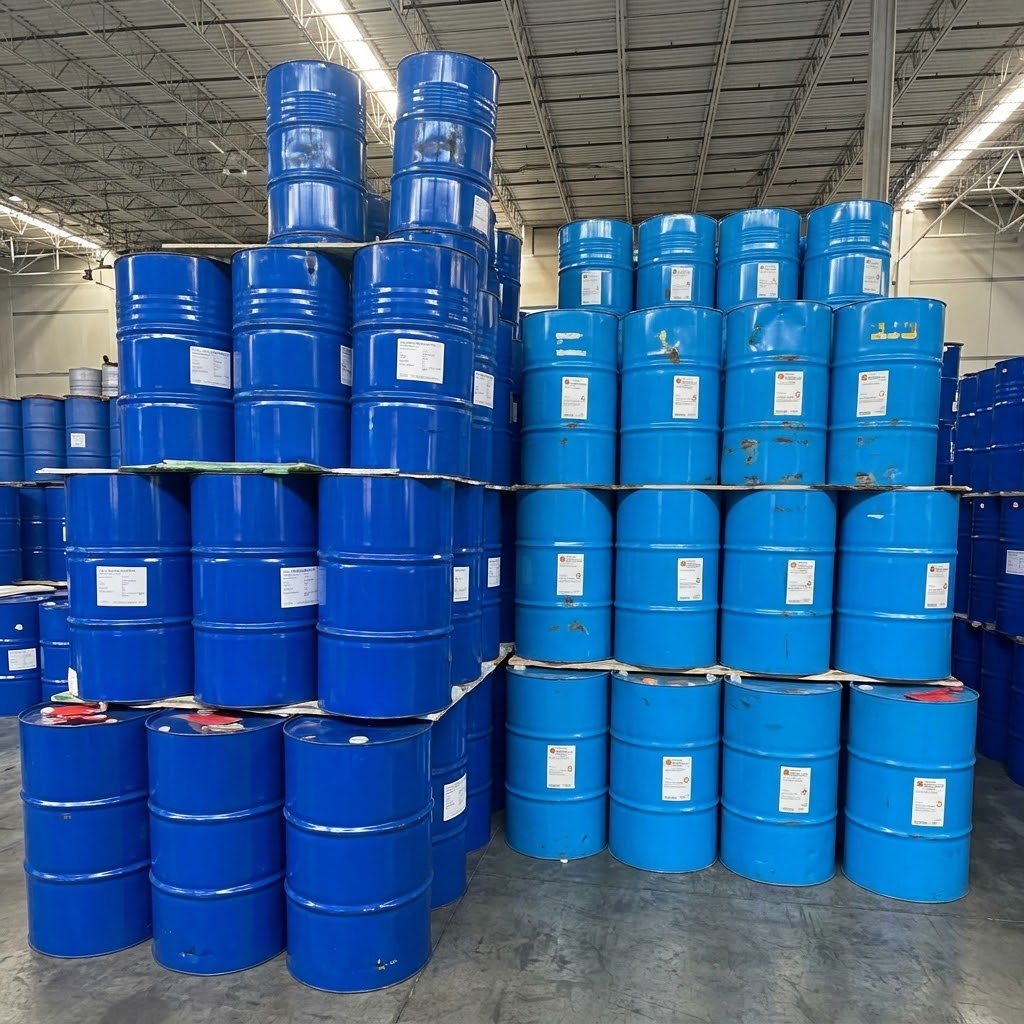
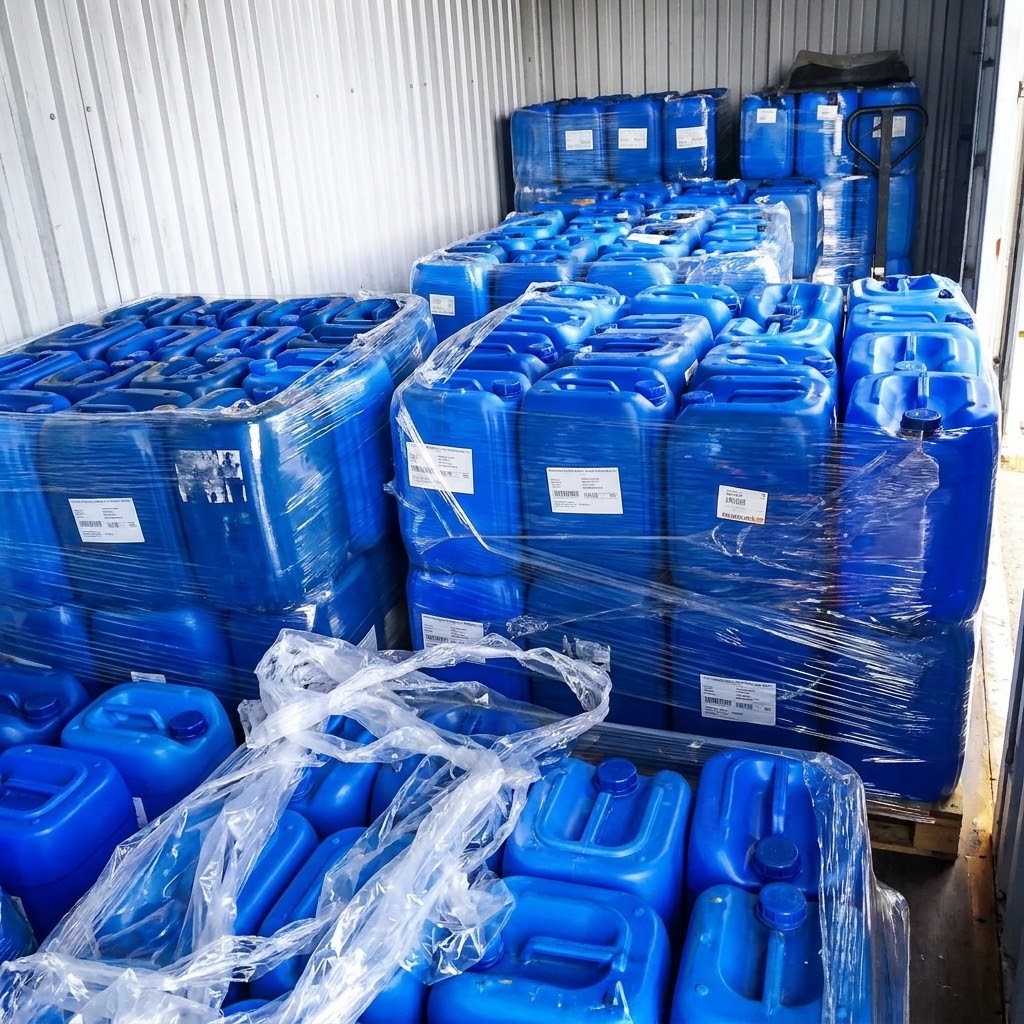
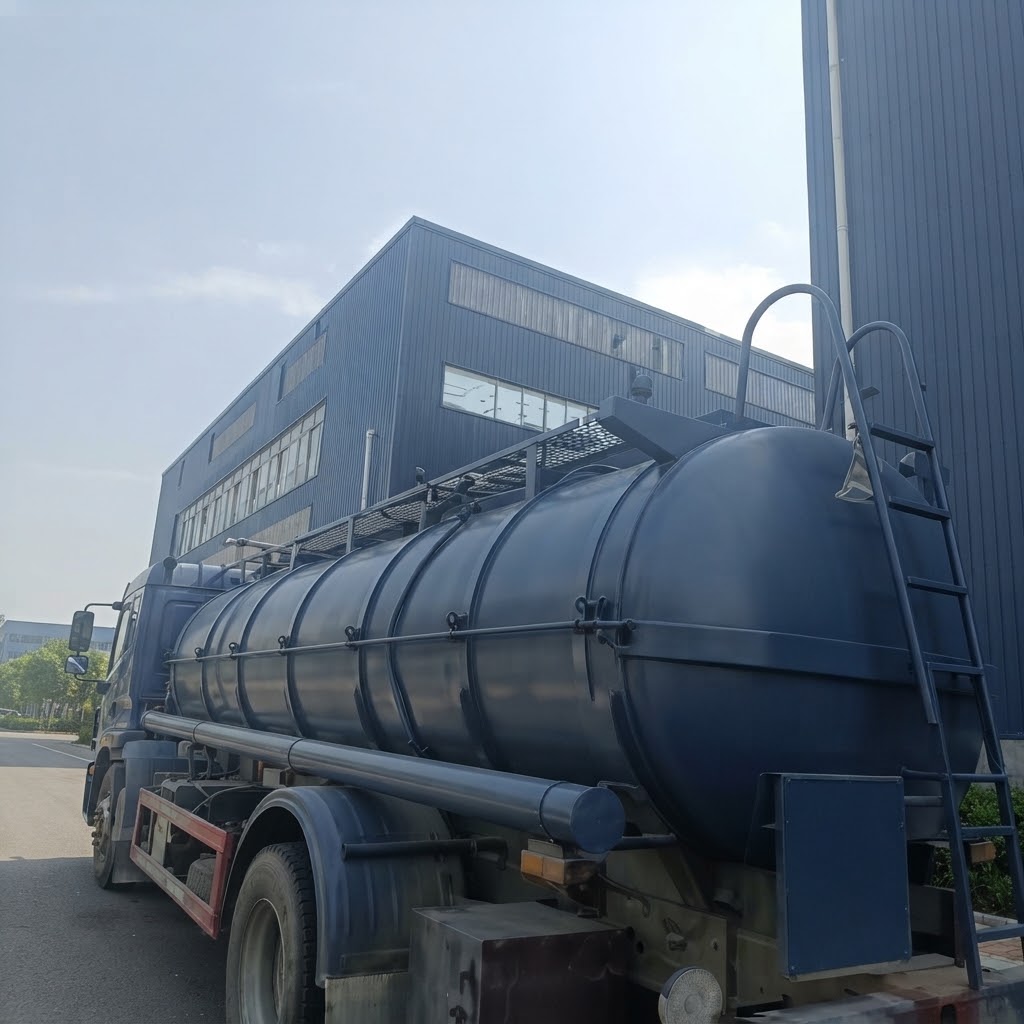
- Package: 200kg Drum / 1000kg IBC / ISOTANK (or as required)
Details
Chemical Properties
Physical Properties: At room temperature, NMP is a clear, colorless to slightly yellow liquid with a mild amine odor. It is highly hygroscopic (readily absorbs moisture from the air).
Chemical Properties: NMP is extremely stable under neutral conditions. It is fully miscible with water in all proportions and completely soluble in most organic solvents, including alcohols, ethers, esters, ketones, aromatic hydrocarbons, and halogenated hydrocarbons.
Common Reactions
Hydrolysis: It does not hydrolyze under standard neutral conditions. However, in strong aqueous acidic or alkaline solutions accompanied by elevated temperatures, the lactam ring of NMP will undergo a ring-opening reaction to form corresponding amino acid salts.
Oxidation: It exhibits good oxidation resistance under normal conditions, but prolonged exposure to air and high temperatures may lead to slight oxidative degradation.
Specifications
| Property | Specification / Data |
| Appearance | Clear, colorless liquid |
| Assay (Purity) | ≥ 99.9% |
| Melting Point | -24.4 °C |
| Volatility | Low (Vapor pressure: 0.32 hPa at 20 °C) |
| Ash Content | ≤ 0.001% |
| Solubility | Fully miscible with water and most organic solvents |
| Thermal Stability | Excellent (Stable up to 300 °C in inert atmosphere) |
Data Sheet Download
Applications & Functions
Lithium-ion Batteries: NMP is the standard and most widely used solvent for lithium battery cathode materials.
- Function: It perfectly dissolves the Polyvinylidene Fluoride (PVDF) binder and evenly disperses active cathode materials (like LFP or NCM) and conductive agents, creating a uniform slurry. This ensures excellent adhesion and conductivity when coated onto aluminum foil current collectors.
Electronics & Semiconductors: Used extensively in microelectronics manufacturing.
- Function: Acts as a highly effective photoresist stripper, flux defluxer, and degreasing solvent. NMP rapidly swells and strips cross-linked resins without damaging the underlying silicon wafers or metal circuitry.
Polymers & Coatings:
- Function: Serves as a reaction medium for the synthesis of specialty engineering plastics such as polyurethane, polyimide (PI), and aramid fibers. In the coatings industry, it is used to improve leveling and increase the gloss of paint films while replacing more toxic solvents.
Petrochemicals:
- Function: Acts as a premium extraction solvent for the recovery and purification of butadiene, isoprene, and aromatics from cracking gas.
Storage
Temperature & Ventilation: Must be stored in a cool, dry, and well-ventilated indoor warehouse.
Moisture Control: Because NMP is extremely hygroscopic, containers must be kept tightly sealed. It is highly recommended to store the product under a dry nitrogen blanket to prevent moisture absorption and oxidation.
Segregation: Store away from strong oxidizers, strong acids, and reducing agents. Keep away from direct sunlight, open flames, and heat sources.
Handling & Usage Precautions
Personal Protective Equipment (PPE): Operators must wear chemical safety goggles, impermeable chemical-resistant gloves (butyl rubber or Teflon are recommended), and protective clothing. A respirator is required in poorly ventilated environments.
Safe Handling: Handle containers with care to prevent physical damage and leakage. Smoking, eating, and drinking are strictly prohibited in the workplace.
Health Warnings: NMP is classified as having potential reproductive toxicity. Pregnant women or personnel planning to conceive should strictly avoid direct exposure. It can also cause skin, eye, and respiratory tract irritation.
Spill Response: For small spills, absorb with inert materials (such as sand or vermiculite) and place in a dedicated waste container. For large spills, dike for later disposal and use explosion-proof pumps to recover the liquid.
Formulations
Components: Active Material (LFP/NCM) 95% + Conductive Agent (Carbon Black) 2% + Binder (PVDF) 3% + NMP (Solvent, added based on target solid content).
Role of NMP: It does not participate in the final electrochemical reaction. Its sole purpose is to dissolve the PVDF binder to provide the correct viscosity, keeping powder materials uniformly suspended. During the drying phase, the NMP completely evaporates and is collected by a solvent recovery system.
Components: NMP (20-40%) + Alcohol Co-solvents + Surfactants + Thickeners.
Role of NMP: Its strong polarity allows it to rapidly penetrate and swell cross-linked polymer paint networks (such as epoxies and polyurethanes), causing the paint film to wrinkle and detach. It acts as a safer alternative to highly toxic methylene chloride paint strippers.
Packaging
- Drums: 200 kg galvanized iron drums or high-density polyethylene (HDPE) drums.
- IBC Totes: 1000 kg IBC (Intermediate Bulk Container) totes.
- Bulk: 20 MT ISOTANK for large-scale maritime or overland transportation.
- Customized packaging available upon request.
Safety & Compliance
- SDS/MSDS: Available Upon Request
- GHS Classification: Repr. 1B (Reproductive Toxicity), Skin Irrit. 2, Eye Irrit. 2, STOT SE 3 (Respiratory irritation).
- UN No.: Not Regulated (Not classified as dangerous goods for standard IMDG/IATA transport rules). Note: May be classified as NA1993 (Combustible liquid) for bulk transport in the USA under certain DOT rules.
- Transport Class: Non-Dangerous Goods
- Hazard Statements: H360D (May damage the unborn child), H319 (Causes serious eye irritation), H315 (Causes skin irritation), H335 (May cause respiratory irritation).
- Labeling and Packaging Compliance: Fully compliant with international chemical regulatory standards (REACH, RoHS, GHS).
- COA / TDS: Available Upon Request
- Batch Traceability: Implemented across all production lines
FAQ
-
Q: How to get more information about the product?A: You can contact us via email at info@zhpmchem.com or WhatsApp at +8618321309391 for more information about our products and company.
-
Q: Does the product meet our requirements regarding formulation, equipment, and processing?A: Yes, we will adjust the product formulation to your specific needs, ensuring it meets your processing requirements.
-
Q: What is the primary difference between Electronic Grade and Industrial Grade NMP?A: The main difference lies in purity and moisture content. Electronic and Battery grades require exceptionally high purity (≥ 99.9%) and ultra-low water content (often ≤ 50 ppm) to prevent interference with sensitive electrochemical reactions or semiconductor manufacturing. Industrial grade typically has slightly lower purity (≥ 99.5%) and higher moisture tolerance.
-
Q: Is NMP hygroscopic, and how should I prevent it from absorbing moisture?A: Yes, NMP is highly hygroscopic, meaning it easily absorbs moisture from the ambient air. To maintain product integrity, it is strongly recommended to store NMP in tightly sealed containers, preferably under a dry nitrogen gas blanket, and to dispense the liquid in low-humidity environments.
-
Q: Can NMP be recycled after being used in manufacturing processes?A: Absolutely. Thanks to its high boiling point and excellent thermal stability, NMP is widely recovered and recycled in industrial settings (especially in battery manufacturing). Condensation recovery systems and vacuum distillation are commonly used to purify and reuse NMP, significantly reducing costs and environmental footprint.
-
Q: Is NMP compatible with all types of plastics and rubber materials for pumping and sealing?A: No. Because NMP is an incredibly powerful solvent, it will swell, soften, or completely dissolve many standard plastics and elastomers (such as PVC, standard polyurethane, and natural rubber). Any equipment handling NMP should utilize highly resistant materials such as Teflon (PTFE), Kalrez, or specific grades of EPDM for gaskets, seals, and hoses.