


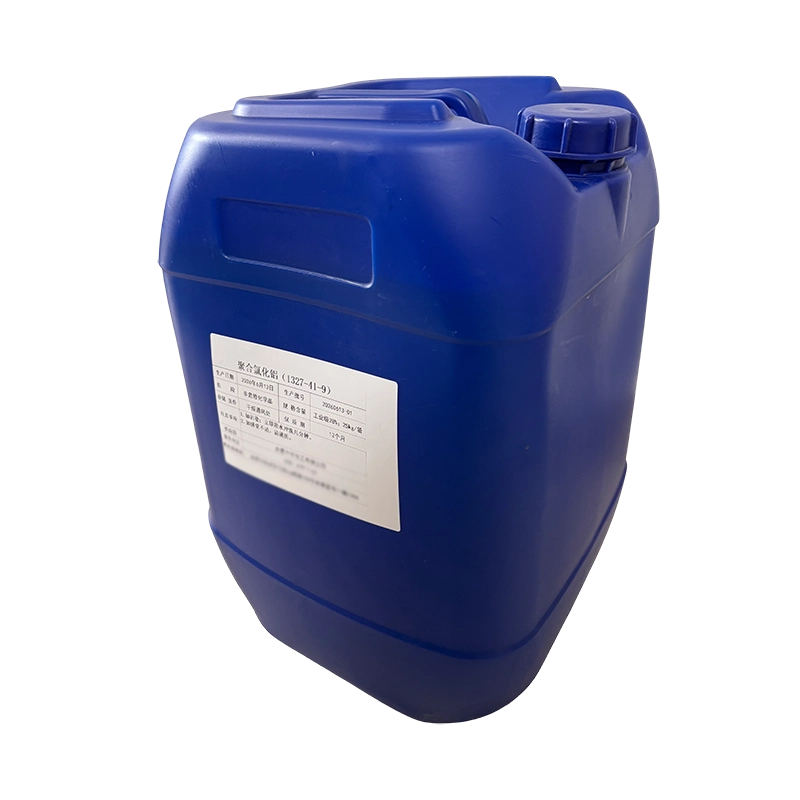
Poly Aluminium Chloride (PAC) is a water-soluble, inorganic high-molecule polymer. It is a multivalent, polyhydroxy electrolyte situated structurally between AlCl3 and Al(OH)3. The active coagulating element is the aluminium content (expressed as Al2O3), while the hydroxyl groups dictate basicity and charge density.
Poly Aluminium Chloride PAC CAS 1327-41-9
Description
- CAS: 1327-41-9
- Synonyms: PAC; Aluminum chlorohydrate; Polyaluminum chloride; Aluminium hydroxychloride
- Einecs: 215-477-2
- Molecular Formula: [Al2(OH)nCl6-n]m (1≤n≤5, m≤10)
- Grade: Industrial Grade / Drinking Water Grade
- Package: As required
Details
Chemical Reactions
- Hydrolysis and Polymerization: When added to water, PAC rapidly hydrolyzes and polymerizes. The colloidal nucleus contains a strong positive charge, which neutralizes the negative charges on suspended colloidal particles in the water, destabilizing them.
- Coagulation/Flocculation: The multi-carboxyl complexes form physical and chemical bridges between the neutralized particles, rapidly creating large, dense flocs (aggregates) that precipitate quickly.
- Precipitation: In dilute solutions, it tends to hydrolyze completely to precipitate Aluminium Hydroxide (Al(OH)3).
- Reaction with Phosphorus: When mixed with sewage, PAC reacts with phosphate ions in the water to form insoluble salts, facilitating efficient phosphorus removal.
Specifications
| Appearance | Light yellow to yellow/brown powder or granules (solid); pale yellow liquid (solution). |
| Assay (Purity as Al2O3) | ≥ 28.0% – 30.0% (Solid); ≥ 10.0% – 17.0% (Liquid) |
| Melting Point | Decomposes before boiling/melting. Melting point is not well-defined due to its polymeric structure. |
| Volatility | Negligible volatility. |
| Ash Content / Water Insoluble Matter | Water Insoluble Matter ≤ 0.5% (Solid); Leaves minimal residue post-reaction. |
| Solubility | Highly soluble/miscible in water at all concentrations. |
| Thermal Stability | Stable under normal conditions. Decomposes at high temperatures (typically >40°C over long storage). |
| Basicity | Typically 40% – 90% (Varies by specific application grade). |
| pH Value (1% aqueous solution) | 3.5 – 5.0 |
Applications
- Drinking Water Purification: Acts as a primary coagulant to remove turbidity, algae, suspended solids, and heavy metals. Clarifies water making it safe for consumption with minimal residual aluminum.
- Municipal & Industrial Wastewater Treatment: Effectively reduces COD, BOD, and SS (Suspended Solids). Crucial for phosphorus removal and sludge dewatering.
- Textile and Dyeing Industry: Binds to dye molecules and colloidal impurities for excellent color removal in effluent water.
- Paper Manufacturing: Used for paper sizing and interacting with cellulose fibers. Improves water recycling and paper quality.
- Oil and Gas Industry: Breaks oil-water emulsions in petrochemical wastewater. The charged polymers destabilize oil droplets for phase separation.
- Other Industries: Used as a refractory binder, in precision casting hardening, and refined glycerine processing.
Storage Requirements
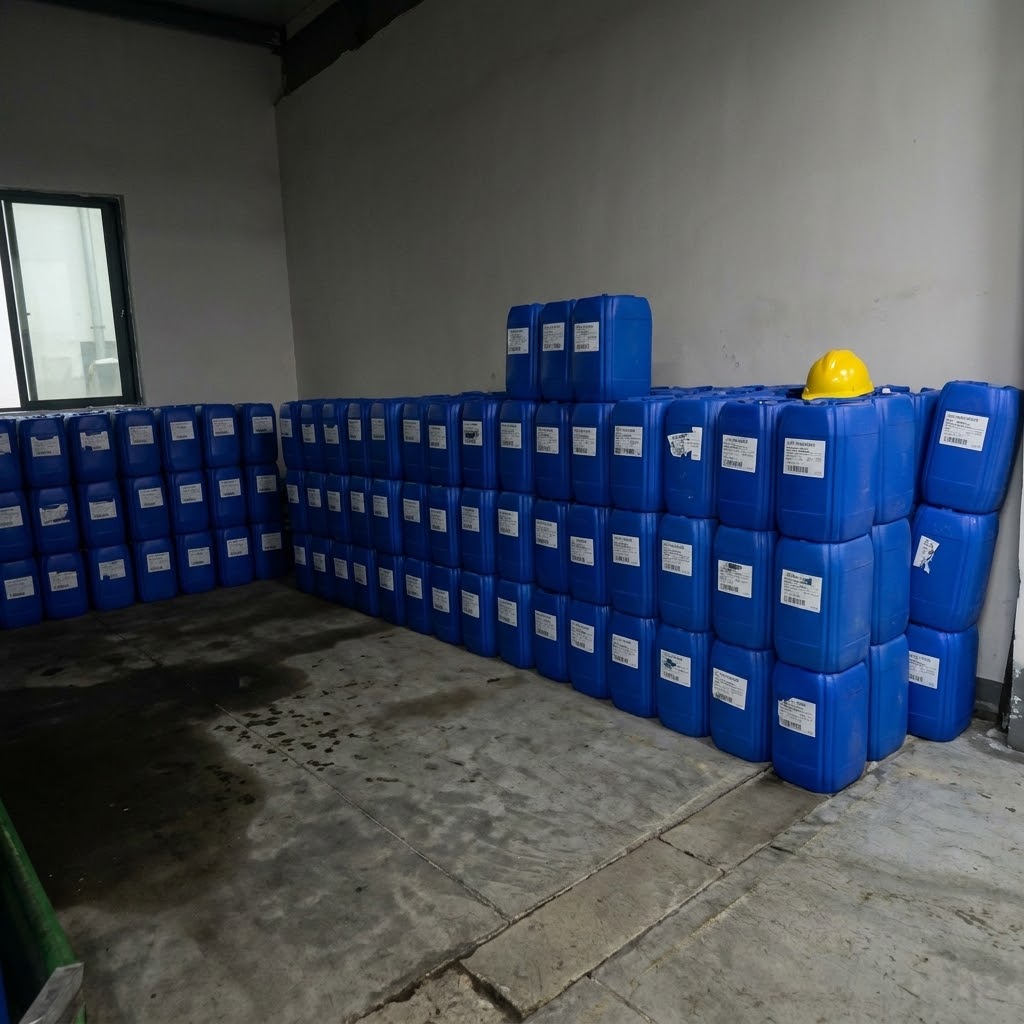
- Environment: Store indoors in a dry, cool, and well-ventilated area. Provide adequate ventilation to remove any potential vapors.
- Temperature & Moisture: PAC is highly hygroscopic (absorbs moisture). Keep strictly away from moisture to prevent caking and loss of effectiveness. Avoid direct sunlight and extreme temperatures. Do not store for prolonged periods above 40°C as it may become unstable.
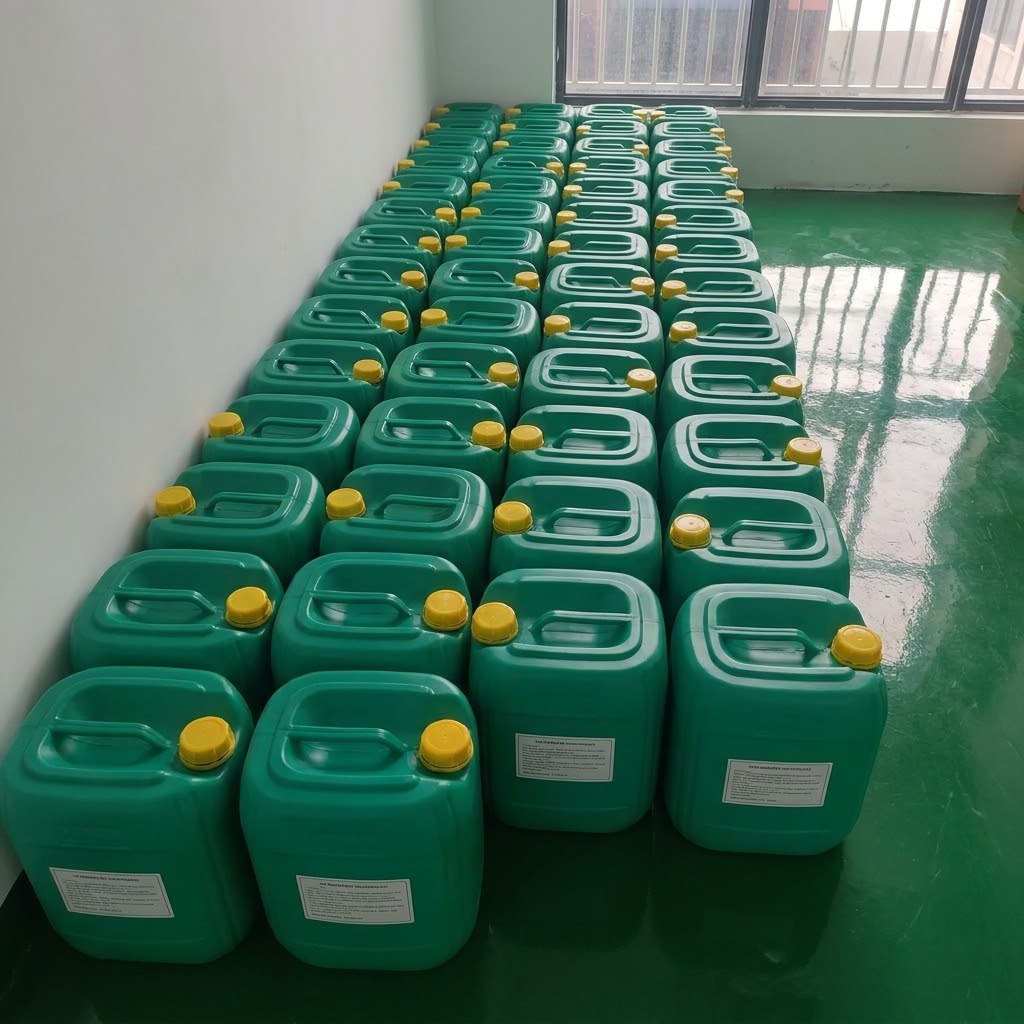
- Containers: Use tightly sealed, anti-corrosive containers. Polyethylene, polypropylene (HDPE), fiberglass-reinforced plastic (FRP), or rubber-lined tanks are recommended due to the acidic nature of the liquid or dissolved solid.
- Segregation: Store away from incompatible materials. Strictly prohibit storing PAC near strong bases/alkalis (like ammonia, sodium hydroxide), chlorates, chlorites, or reducing agents.
Handling and Usage Precautions
- Personal Protective Equipment (PPE): Classified as corrosive (especially in liquid form) and a mild to moderate irritant. Always wear chemical safety goggles (no contact lenses), acid/alkali-resistant gloves, and protective clothing. Use a dust mask when handling the powder to avoid inhalation.
- Handling Protocol: Always adhere to the principle of “adding PAC slowly into water” while stirring vigorously to prevent clumping. Reverse operation (adding water to PAC) is strictly forbidden to prevent splashing.
- Hygiene: Do not eat, drink, or smoke when handling. Wash hands thoroughly with soap and water after use. Launder contaminated clothing before re-use.
- Spills: For liquid spills, contain and absorb with inert material (sand, earth). For dry spills, clean up promptly by scoop or vacuum to minimize dust. Flush away traces with water, but do not allow large quantities into drains un-neutralized.
Formulations
PAC is rarely used in complex chemical “formulations” in the traditional sense, but rather applied in different concentrations and grades alongside other treatment steps.
Packaging
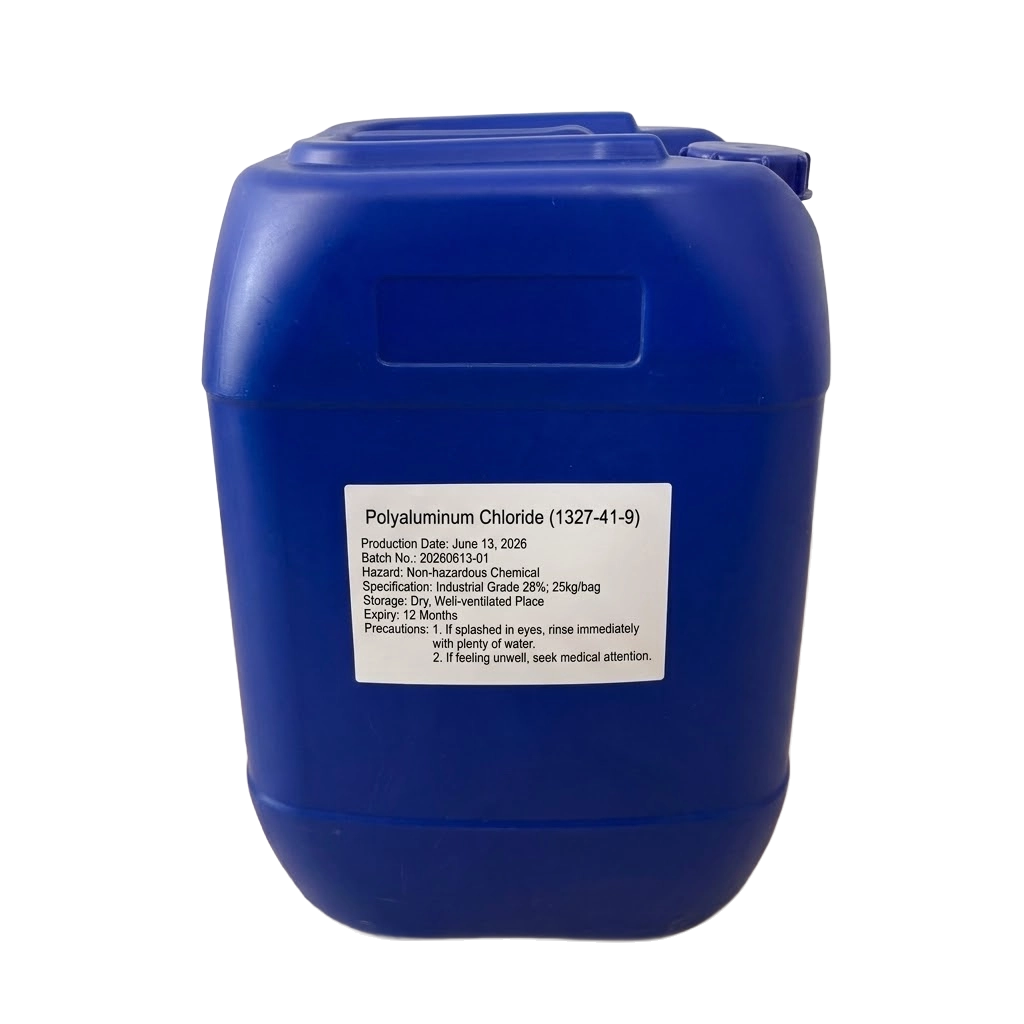
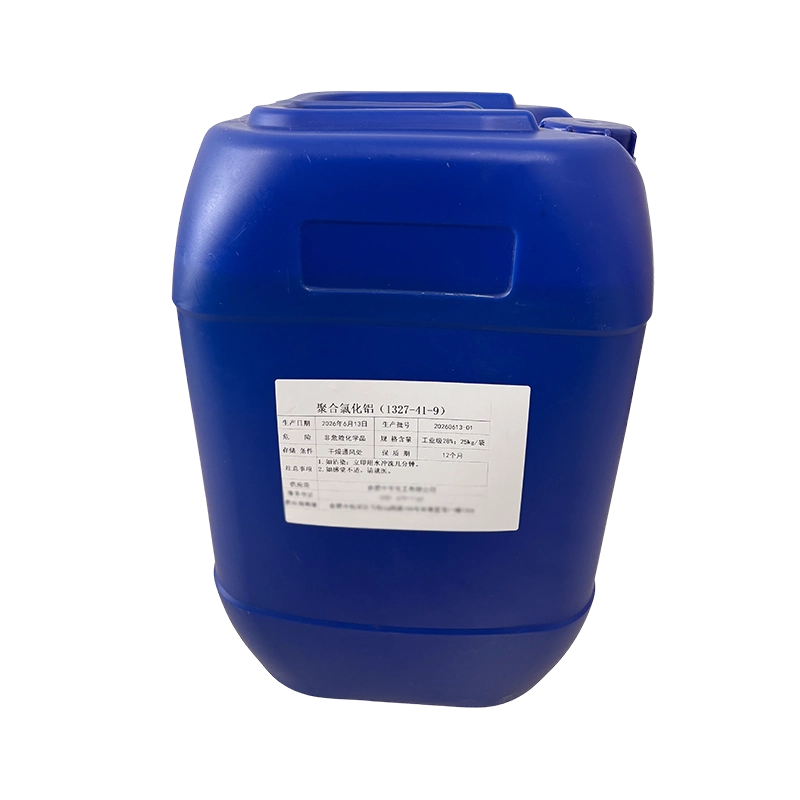
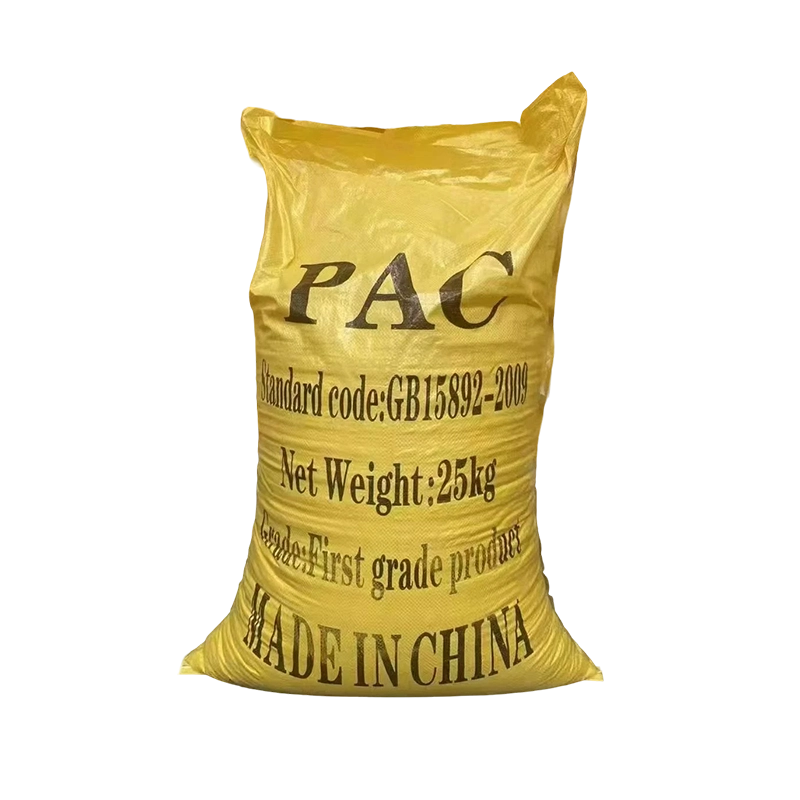
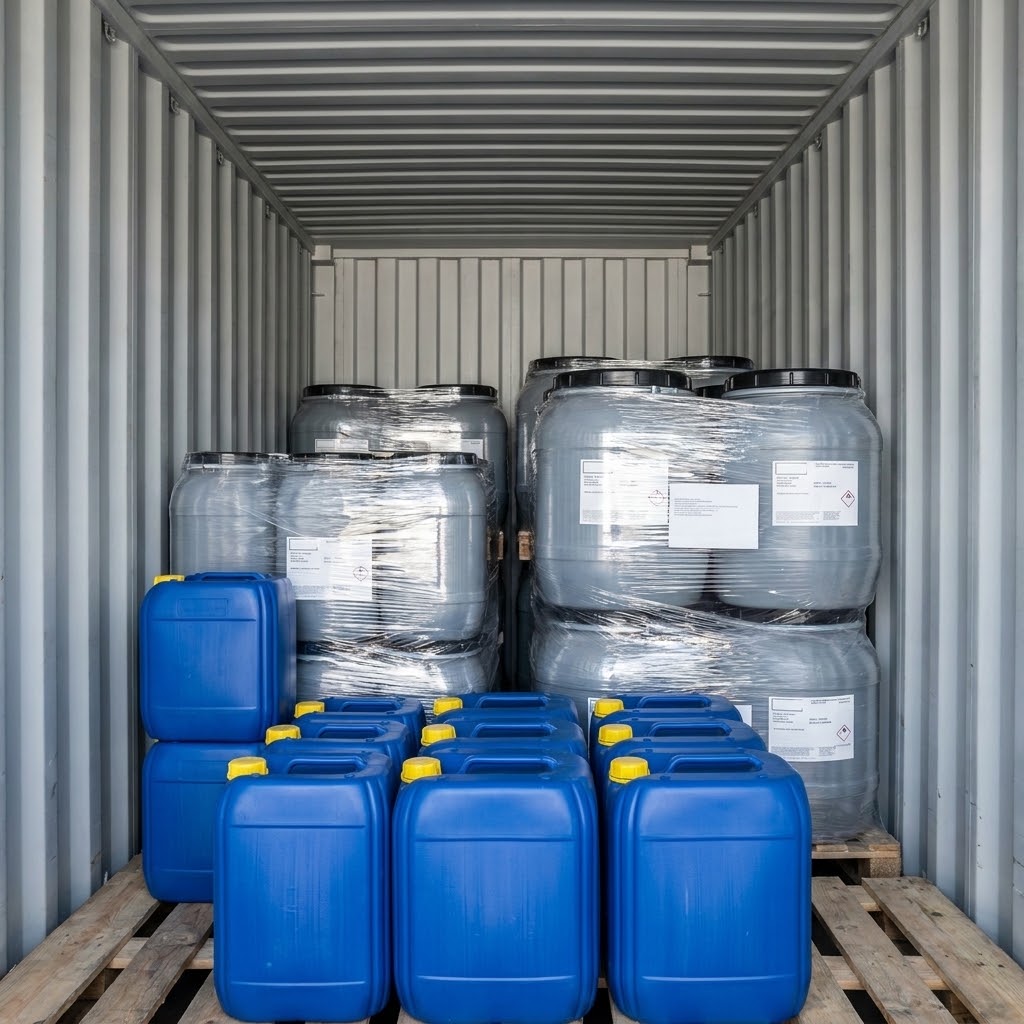
- 20 kg fiber drum or carton box, lined with PE bag.
- Customized packaging available upon request.
Safety and Regulatory Compliance
| SDS / MSDS | Available Upon Request |
|---|---|
| GHS Classification | Skin Irritant (Category 2), Eye Irritant (Category 2A) |
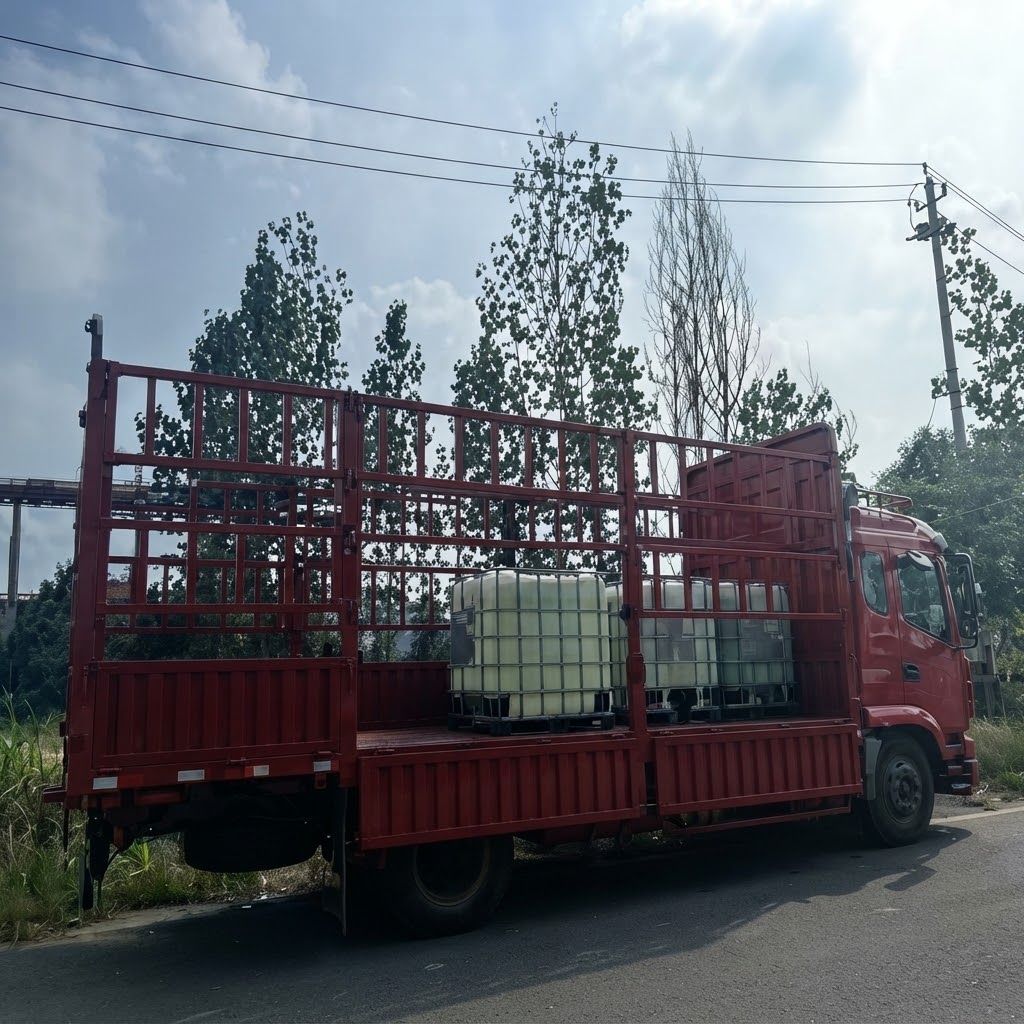
| UN No. | Not commonly regulated as hazardous for transport (UN 2581 occasionally applies to specific acidic liquid forms) |
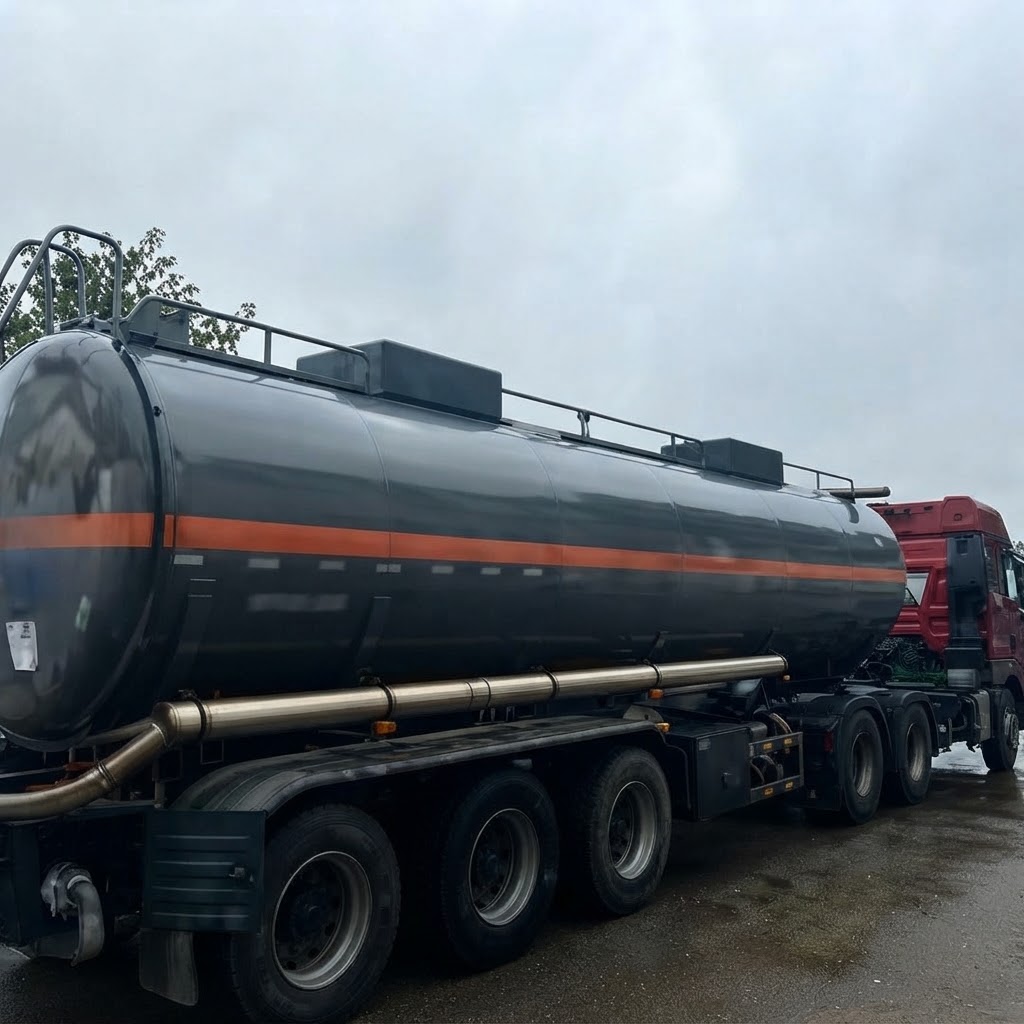
| Transport Class | Not regulated as Class 3 (Flammable). Generally considered non-hazardous goods for transport, though liquid may be classified as Class 8 (Corrosive) depending on concentration. |
| Hazard Statements | H315: Causes skin irritation. H319: Causes serious eye irritation. |
| Labeling and Packaging Compliance | Complies with international standards. Containers must be anti-corrosive and tightly sealed against moisture. |
| COA / TDS | Available Upon Request |
| Batch Traceability | Full batch tracking implemented for quality assurance. |
FAQ
-
Q: How to get more information about the product?A: You can contact us via email at info@zhpmchem.com or WhatsApp at +8618321309391 for more information about our products and company.
-
Q: Does the product meet our requirements regarding formulation, equipment, and processing?A: Yes, we will adjust the product formulation to your specific needs, ensuring it meets your processing requirements.
-
Q: What are the main advantages of using PAC over traditional coagulants like aluminum sulfate (alum)?A: PAC is highly efficient, requiring a significantly lower dosage to achieve the same clarification results. It works over a much wider pH range (5.0 - 9.0), reducing the need for costly pH-adjusting chemicals. Additionally, PAC forms larger flocs that settle faster and produces considerably less waste sludge compared to traditional alum.
-
Q: How do I properly prepare a PAC solution from the solid powder?A: Always add the PAC powder slowly into water while stirring vigorously to prevent clumping. A common method is to dissolve the solid product in water at a ratio of 1:3 to create a concentrate, and then dilute it further with 10-30 times the water to reach your desired working concentration. Never add water directly onto a pile of PAC powder.
-
Q: Is Poly Aluminium Chloride safe for use in drinking water treatment?A: Yes, high-purity (Drinking Water Grade) PAC is widely used and entirely safe for municipal drinking water purification. It effectively removes impurities and turbidity while leaving minimal residual aluminum in the treated water, conforming to strict environmental and health safety standards.
-
Q: Why did my stored PAC powder become hard and clumped together?A: PAC powder is highly hygroscopic, meaning it rapidly absorbs moisture from the air. If the packaging is left open, damaged, or stored in a humid environment, the powder will absorb water and cake, rendering it difficult to dissolve and less effective. Always store PAC in tightly sealed containers in a cool, dry place.