



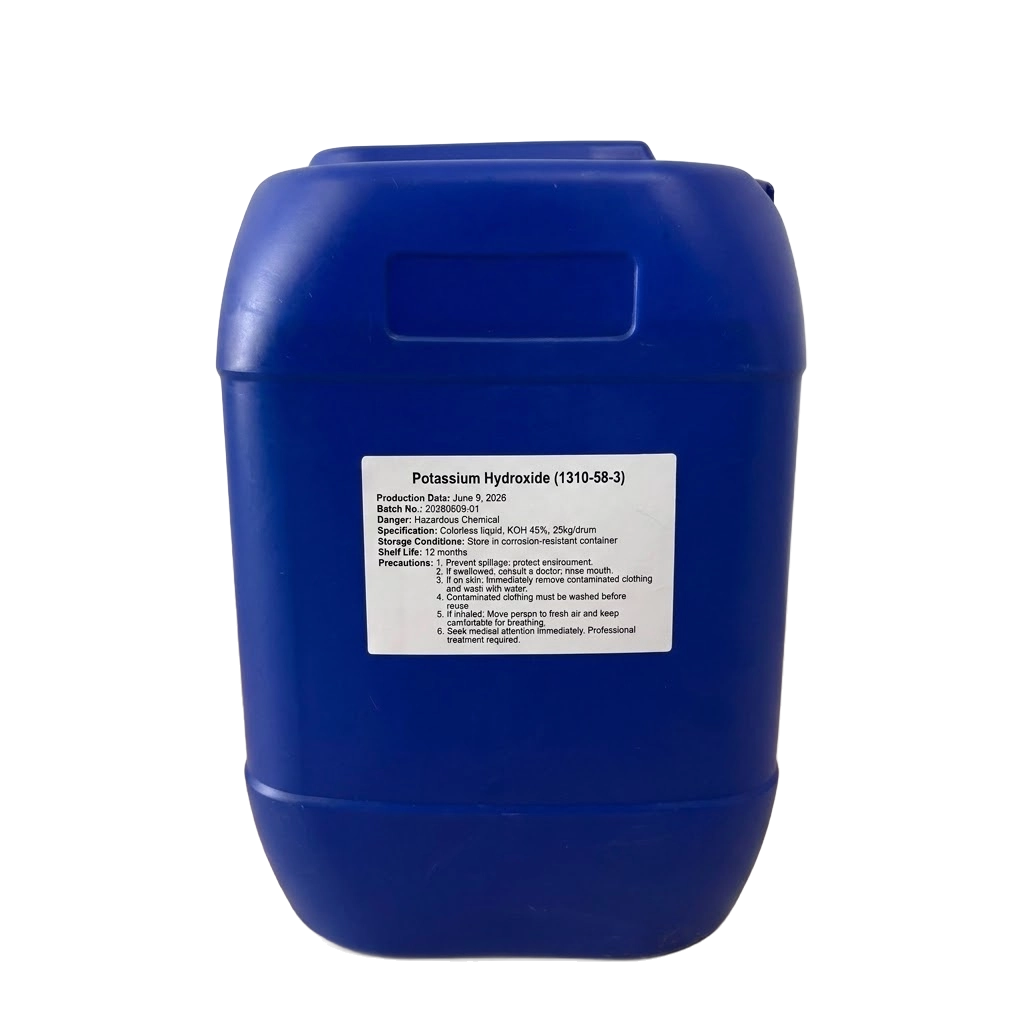
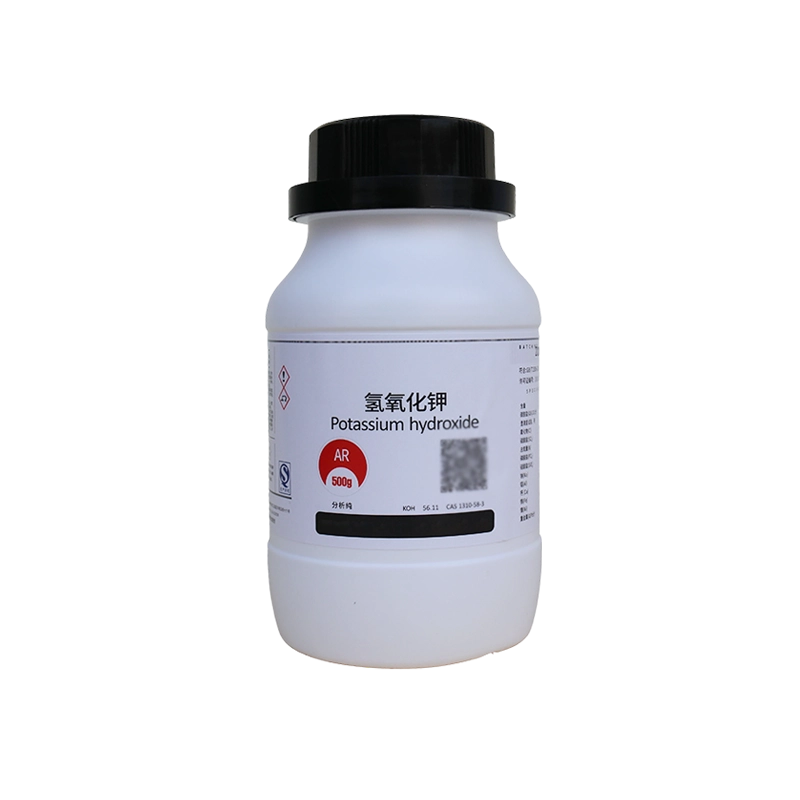
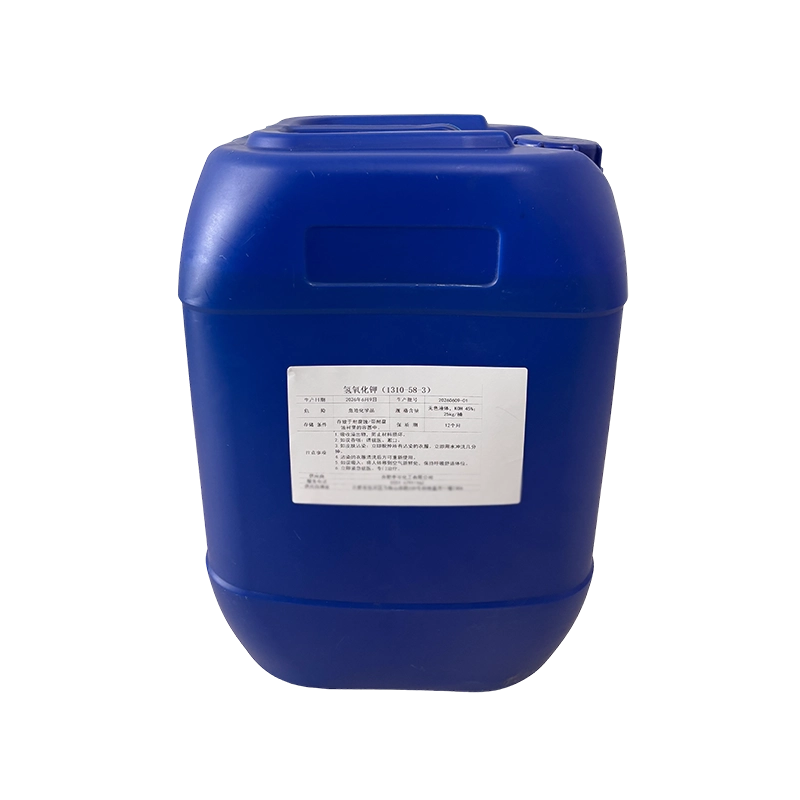
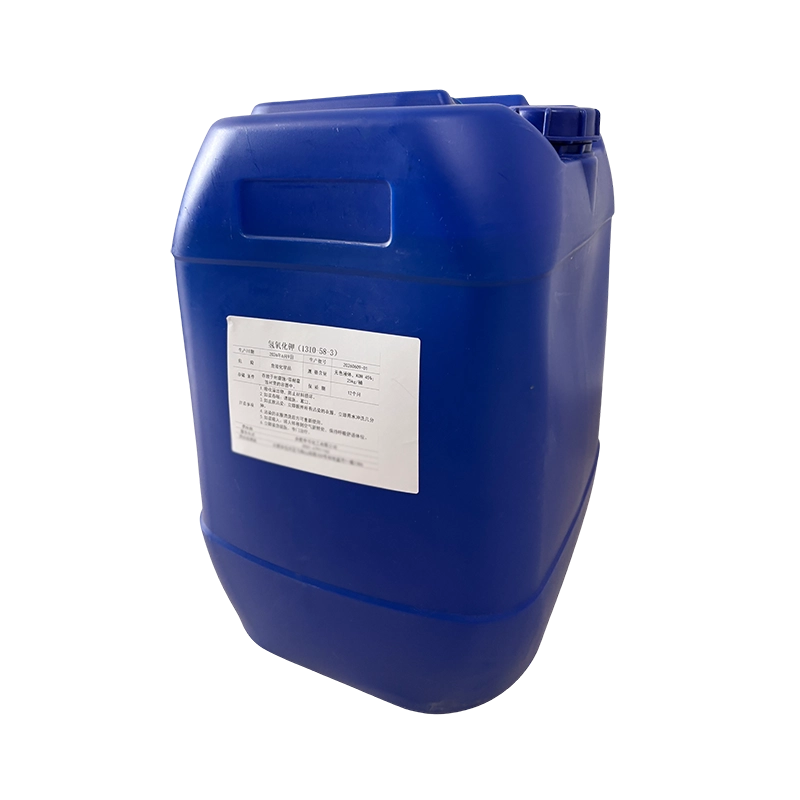
Potassium Hydroxide (KOH) is an inorganic compound and a highly versatile, strong base. It is a white, deliquescent solid that is highly hygroscopic, meaning it readily absorbs moisture and carbon dioxide (CO_2) from the surrounding air. When dissolved in water (H_2O), the reaction is highly exothermic, releasing a significant amount of heat.
Potassium Hydroxide CAS 1310-58-3
Description
- CAS: 1310-58-3
- Synonyms: Caustic Potash, Potassa, Potassium Hydrate, Lye
- Einecs: 215-181-3
- Molecular Formula: KOH
- Grade: Industrial Grade, Food Grade, Reagent Grade
- Package: As required
Details
Chemical Reactions
- Neutralization: Reacts violently with acids to form potassium salts and water.
- Carbon Dioxide Absorption: Rapidly absorbs CO_2 from the atmosphere to form potassium carbonate.
- Saponification: Reacts with esters (fats and oils) to produce potassium carboxylates (soft/liquid soaps) and glycerol.
Specifications
| Parameter | Specification |
|---|---|
| Appearance | White flakes, pellets, or powder |
| Assay (Purity) | ≥ 90.0% |
| Melting Point | 360℃ (680℉) |
| Volatility | Non-volatile under standard temperature and pressure |
| Ash Content | ≤ 0.1% |
| Solubility | Easily soluble in H_2O, ethanol, and glycerol; insoluble in ether |
| Thermal Stability | Thermally stable up to its boiling point; highly reactive to ambient moisture |
Data Sheet Download
Applications and Key Roles
- Soap and Detergent Manufacturing: Serves as the primary saponification agent in the production of soft soaps, liquid soaps, and specialized detergents. Unlike Sodium Hydroxide (NaOH), KOH yields highly soluble soaps.
- Agriculture and Fertilizers: Acts as a source of potassium in the synthesis of liquid fertilizers, herbicides, and agricultural chemicals, promoting healthy plant growth.
- Battery Manufacturing: Utilized as the primary alkaline electrolyte in alkaline batteries, nickel-cadmium, and manganese dioxide-zinc batteries due to its high ionic conductivity.
- Biodiesel Production: Acts as a catalyst in the transesterification of triglycerides, offering faster reaction times and yielding a valuable potassium fertilizer byproduct.
- Chemical Synthesis: Serves as an essential intermediate in the manufacturing of various potassium chemicals, including potassium carbonate (K_2CO_3), potassium cyanide (KCN), and potassium permanganate (KMnO_4).
Storage Environment Requirements
- Moisture and Air Control: Must be kept in tightly closed, hermetically sealed containers. KOH is extremely deliquescent and will degrade into a sticky mass if exposed to ambient humidity and CO_2.
- Temperature & Environment: Store in a cool, dry, and well-ventilated area away from direct sunlight.
- Incompatibilities: Strictly isolate from strong acids, reactive metals (such as aluminum, magnesium, and zinc, which can generate explosive H_2 gas), water, and organic combustible materials.
Handling and Usage Precautions
- Personal Protective Equipment (PPE): Always wear chemical-resistant gloves, safety goggles/face shields, and protective clothing. KOH is highly corrosive and can cause severe chemical burns to skin and eyes.
- Dilution Protocol: When making solutions, always add KOH slowly to water with constant stirring. Never add water directly to solid KOH, as localized boiling and hazardous splattering of the corrosive liquid will occur.
- Ventilation: Ensure adequate local exhaust ventilation to prevent inhalation of corrosive dust or mists.
Common Formulations & Function
1. Premium Liquid Hand Soap
- Formulation: Olive Oil / Coconut Oil blend + Water (H_2O) + Potassium Hydroxide (KOH).
- Role: KOH is the essential alkali that triggers the saponification process, converting the fatty acids in the oils into liquid soap (potassium oleate/cocoate) and glycerin.
2. Alkaline Cuticle Remover (Cosmetics)
- Formulation: Water (H_2O) + Glycerin + Thickener + KOH (2% – 5% concentration).
- Role: Acts as a keratolytic agent. The high pH of KOH gently dissolves and softens dead skin cells (keratin) around the nail bed for easy removal.
Packaging
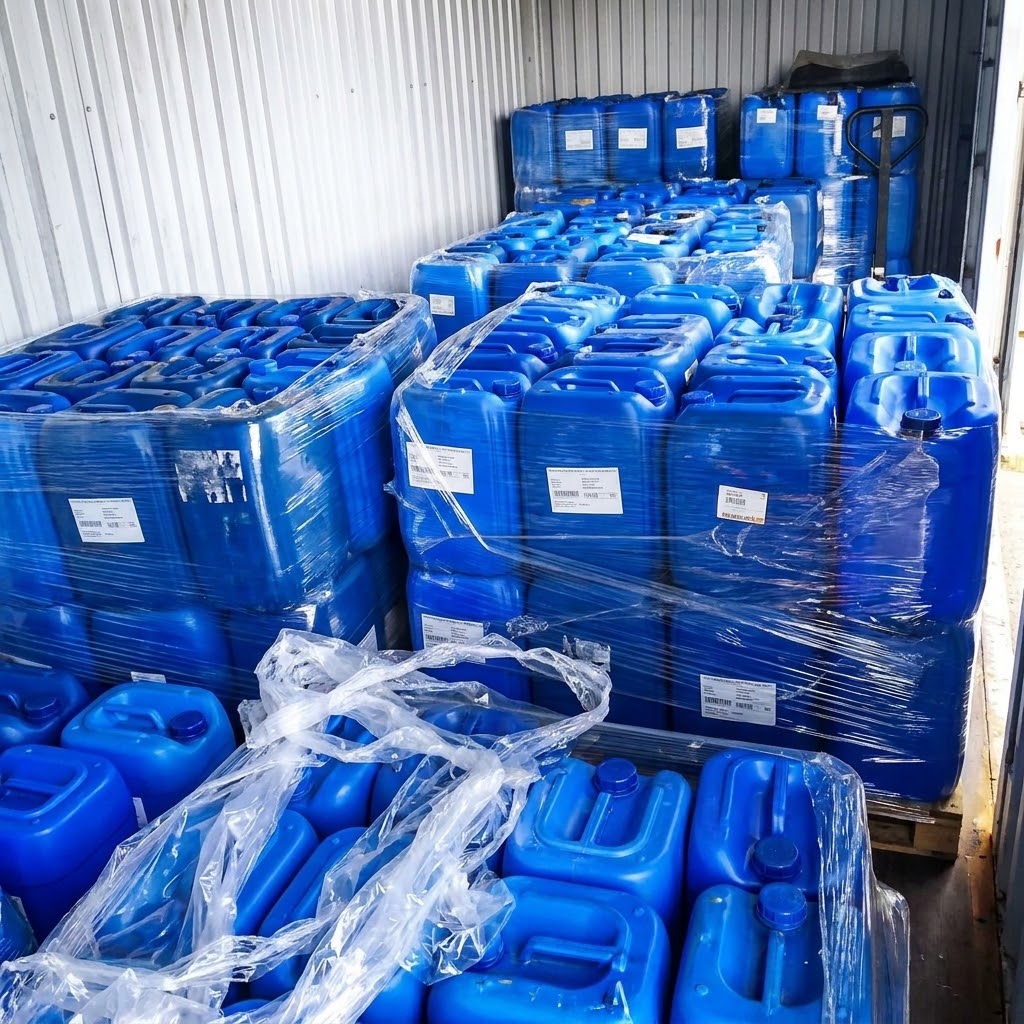
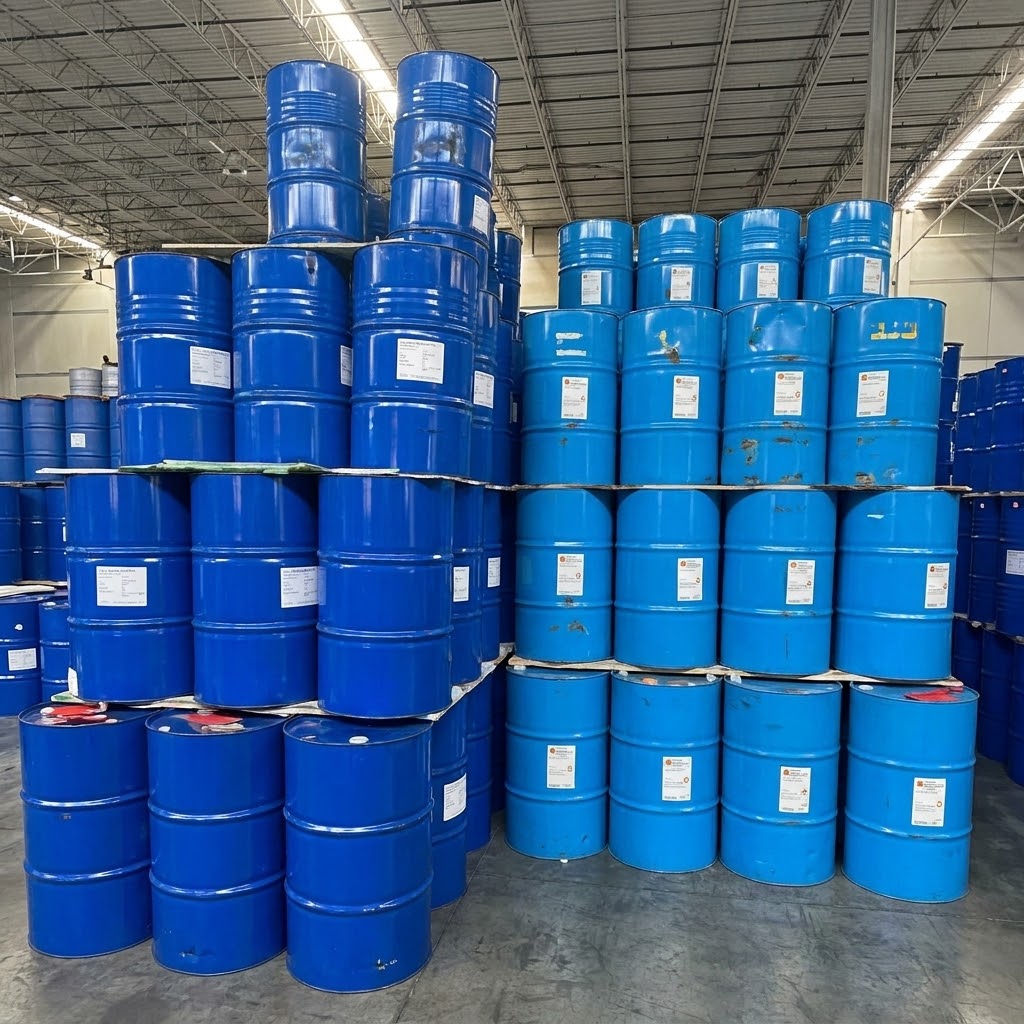
- Standard Packaging: 20kg fiber drum or carton box, lined with a moisture-proof PE (polyethylene) inner bag.
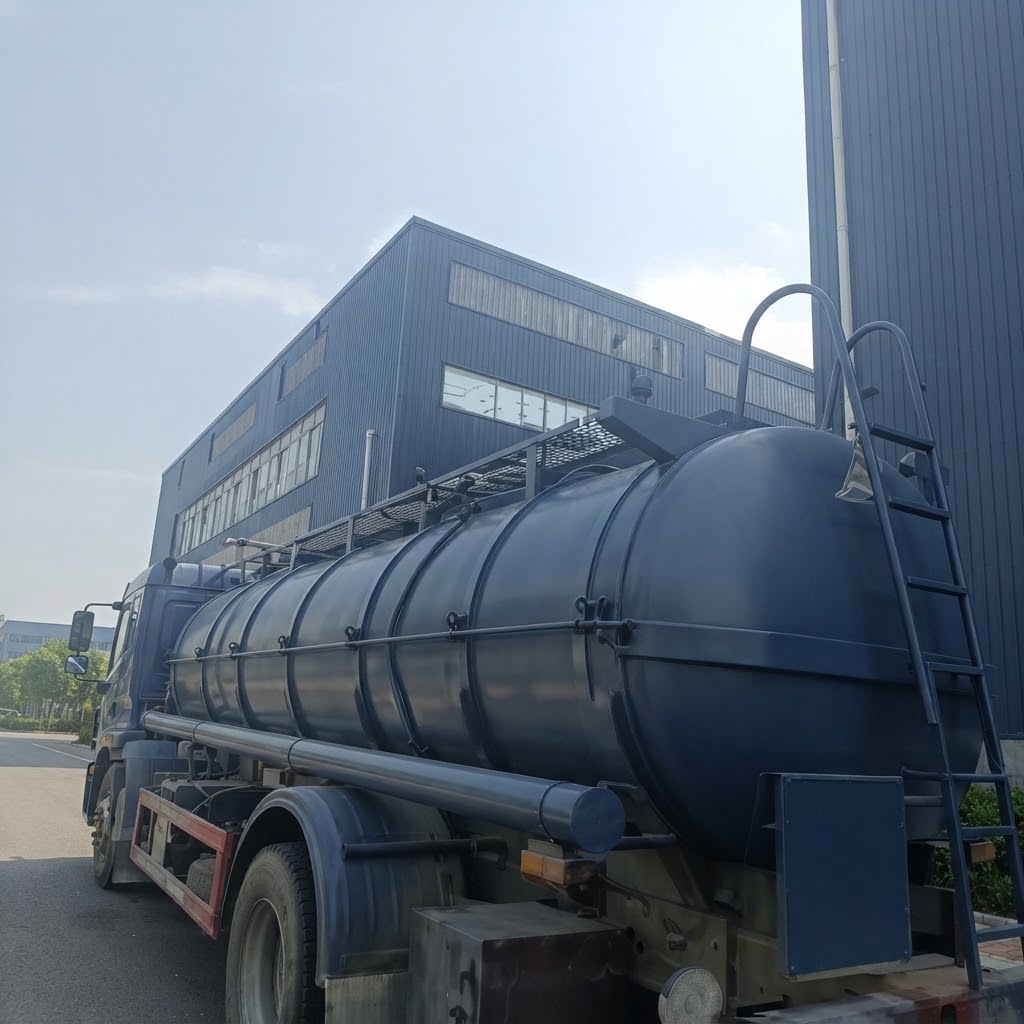
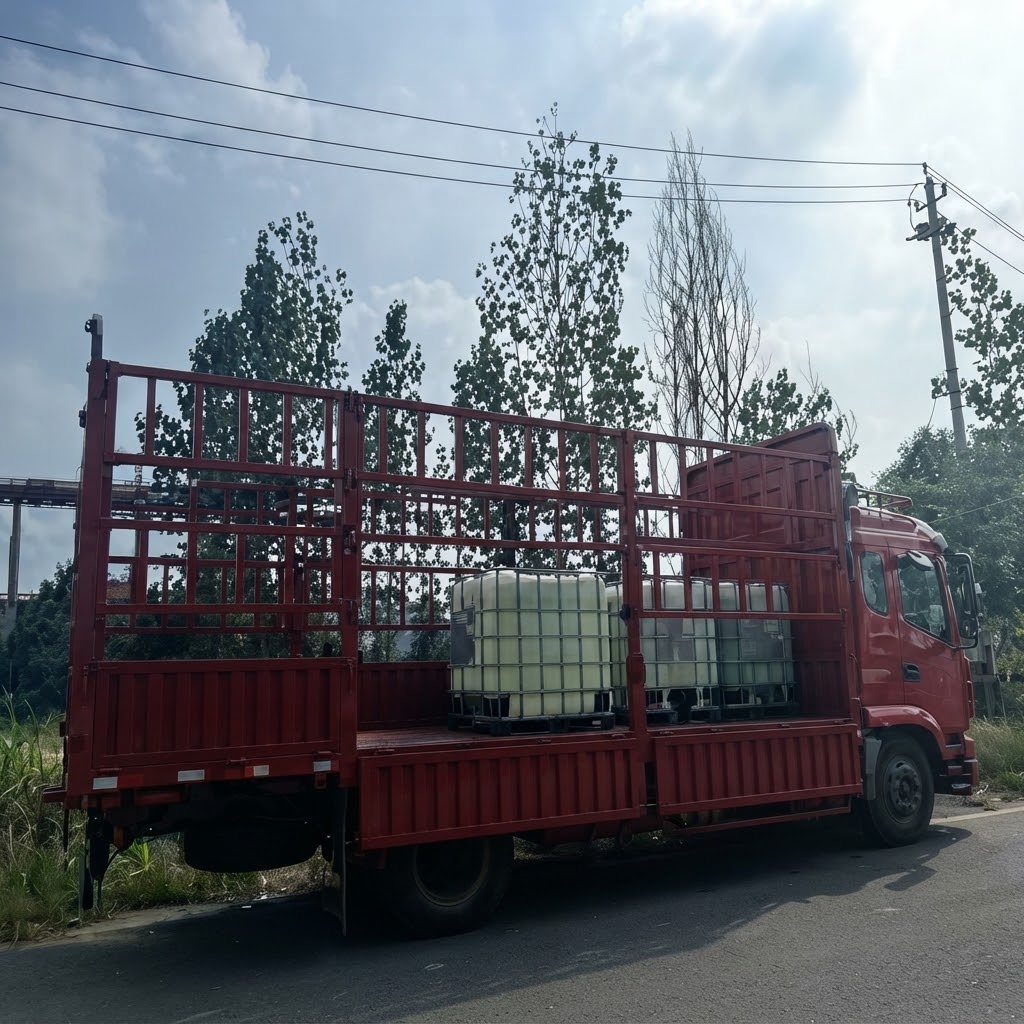
- Customization: Customized packaging available upon request to meet specific shipping or factory integration needs.
Safety and Compliance
| Compliance / Safety Item | Details |
|---|---|
| SDS / MSDS | Available |
| GHS Classification | Corrosive to Metals (Category 1); Acute Toxicity, Oral (Category 4); Skin Corrosion (Category 1A) |
| UN No. | 1813 (Solid) / 1814 (Solution) |
| Transport Class | Class 8 (Corrosive Substances) |
| Hazard Statements | H290 (May be corrosive to metals), H302 (Harmful if swallowed), H314 (Causes severe skin burns and eye damage) |
| Labeling and Packaging Compliance | Fully compliant with international GHS labeling and transport regulations |
| COA / TDS | Available Upon Request |
| Batch Traceability | Strict batch control implemented; traceable via lot numbers on all packaging |
FAQ
-
Q: How to get more information about the product?A: You can contact us via email at info@zhpmchem.com or WhatsApp at +8618321309391 for more information about our products and company.
-
Q: Does the product meet our requirements regarding formulation, equipment, and processing?A: Yes, we will adjust the product formulation to your specific needs, ensuring it meets your processing requirements.
-
Q: What is the primary difference between using Potassium Hydroxide (KOH) and Sodium Hydroxide (NaOH) in soap making?A: KOH is utilized to create soft, liquid soaps because the potassium salts of fatty acids are highly soluble in water. NaOH is used to produce hard bar soaps.
-
Q: Why does Potassium Hydroxide turn into a wet, sticky mass when left open?A: KOH is highly hygroscopic and deliquescent. It rapidly absorbs moisture from the air until it actually dissolves in the absorbed water. It also reacts with atmospheric CO_2. Therefore, immediate and secure resealing of the container is critical.
-
Q: Can this grade of Potassium Hydroxide be used in the food industry?A: We offer specific Food Grade KOH compliant with FCC standards. In the food industry, it is commonly used as a pH control agent, a stabilizer, or for chemical peeling of fruits. Please ensure you specify Food Grade during your inquiry.
-
Q: How should a small spill of Potassium Hydroxide flakes be handled?A: Personnel should first put on appropriate PPE (gloves, goggles). Carefully sweep up the dry solid using non-sparking tools and place it into a secure, labeled chemical waste container. Do not flush large amounts with water directly, as it will generate intense heat. Small residual amounts can be neutralized carefully with a dilute acid (like acetic acid) and then washed with plenty of water.