



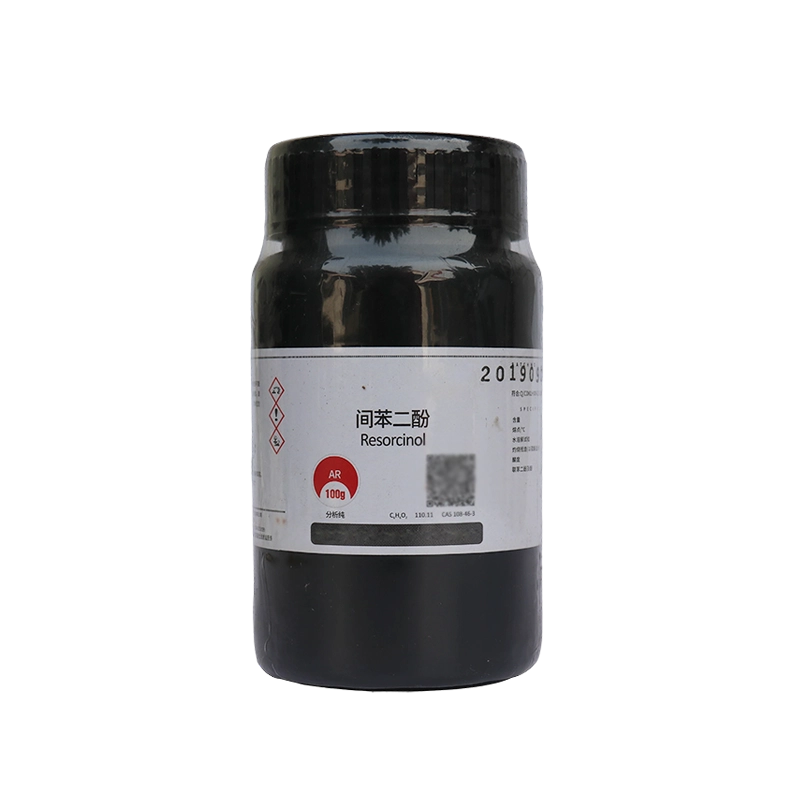

Resorcinol is a dihydroxybenzene derivative. It is weakly acidic, highly reactive due to the electron-donating hydroxyl groups, and extremely soluble in water, alcohol, and ether. In its pure form, it appears as white crystals, but it is sensitive to light and air, gradually darkening to pink or pale brown upon exposure due to oxidation.
Resorcinol CAS 108-46-3
Description
- CAS: 108-46-3
- Synonyms: 1,3-Benzenediol, m-Dihydroxybenzene, Resorcin
- Einecs: 203-585-2
- Molecular Formula: C_6H_6O_2
- Grade: Industrial Grade / Cosmetic Grade / Pharma Grade
- Package: As required
Details
Common Reactions
Condensation Reactions: Reacts readily with aldehydes (such as formaldehyde) to form resorcinol-formaldehyde (RF) resins.
Electrophilic Aromatic Substitution: Undergoes halogenation, nitration, and sulfonation much faster than benzene, typically substituting at the 2, 4, and 6 positions.
Azo Coupling: Reacts with diazonium salts in alkaline solutions to form vibrant azo dyes.
Friedel-Crafts Acylation: Reacts with carboxylic acids or anhydrides to yield resorcinol derivatives used in UV absorbers.
Specifications
| Parameter | Specification |
| Appearance | White to off-white flakes or needle-like crystals |
| Assay (Purity) | ≥ 99.5% |
| Melting Point | 109°C – 111°C |
| Volatility | Low at room temperature |
| Ash Content | ≤ 0.05% |
| Solubility | Completely soluble in water, ethanol, and ether |
| Thermal Stability | Stable under recommended conditions; degrades > 250°C |
Data Sheet Download
Applications
- Tires and Rubber Products: Acts as a critical adhesion promoter. It is formulated with formaldehyde and latex to bond synthetic fabric cords to rubber, preventing tire delamination.
- Wood Adhesives: Used as a cross-linking agent in manufacturing resorcinol-formaldehyde resins, providing waterproof and highly durable bonds for marine plywood and exterior timber.
- Dermatology and Cosmetics: Functions as a keratolytic and antimicrobial agent. It helps break down rough, scaly skin and clears pores in acne and seborrheic dermatitis treatments.
- Dyes and UV Absorbers: Serves as a primary intermediate. It provides the core chemical structure required to synthesize fluorescent dyes and UV-blocking compounds for plastics.
Storage Environment
- Temperature: Store in a cool, well-ventilated area (ideally below 30°C).
- Light & Air: Must be kept in tightly sealed containers protected from direct sunlight and ambient air to prevent oxidative discoloration.
- Moisture: Keep away from moisture to prevent the crystals from clumping.
- Segregation: Store strictly away from strong oxidizers, strong bases, and alkaline metals.
Handling & Usage Precautions
- Personal Protective Equipment (PPE): Always wear chemical-resistant gloves, safety goggles, and protective clothing. A dust mask or respirator is highly recommended to prevent inhalation of airborne particles.
- Ventilation: Use only in well-ventilated areas or under a local exhaust hood to control dust and vapors.
- Hygiene: Wash hands and exposed skin thoroughly with soap and water immediately after handling. Do not eat, drink, or smoke in the work area.
- Spill Response: Sweep up spills carefully to minimize dust generation, place in a sealed chemical waste container, and flush the residual area with plenty of water.
Formulations
- Resorcinol-Formaldehyde-Latex (RFL) Dip:
- Function: Used in the tire industry. Resorcinol reacts with formaldehyde to form a resin network that physically and chemically locks the rubber matrix to the reinforcing textile cords.
- Anti-Acne Topical Creams (typically 2% to 10%):
- Function: Paired often with sulfur, resorcinol acts as a keratolytic agent that dissolves dead skin cells and reduces sebum production, clearing blocked pores.
- Permanent Hair Dyes:
- Function: Acts as a “coupler.” It does not have color itself but reacts with primary intermediates (like p-phenylenediamine) in the presence of an oxidizing agent to produce lasting brown and natural hair dye shades.
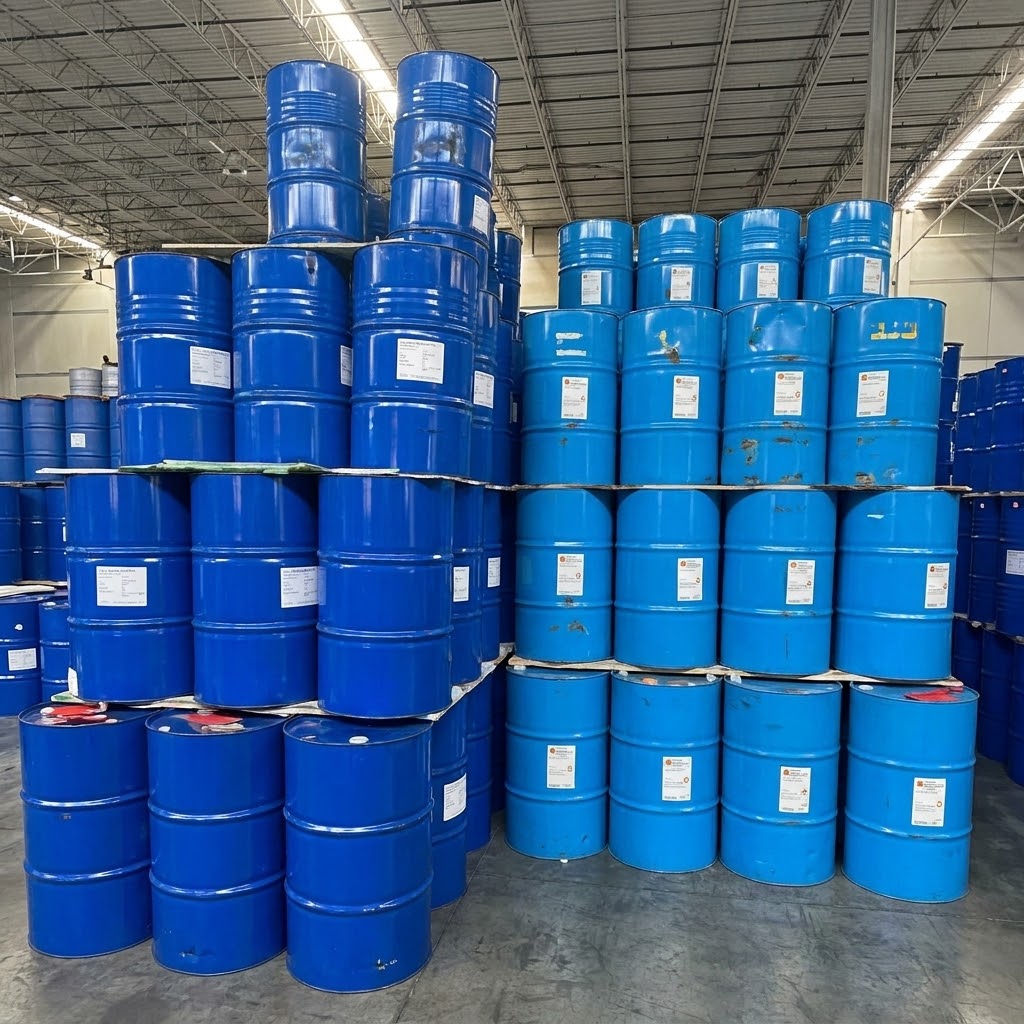
Packaging Options
- 25 kg multi-wall paper bags with inner polyethylene liners.
- 25 kg / 50 kg fiber drums for better protection against moisture and physical damage.
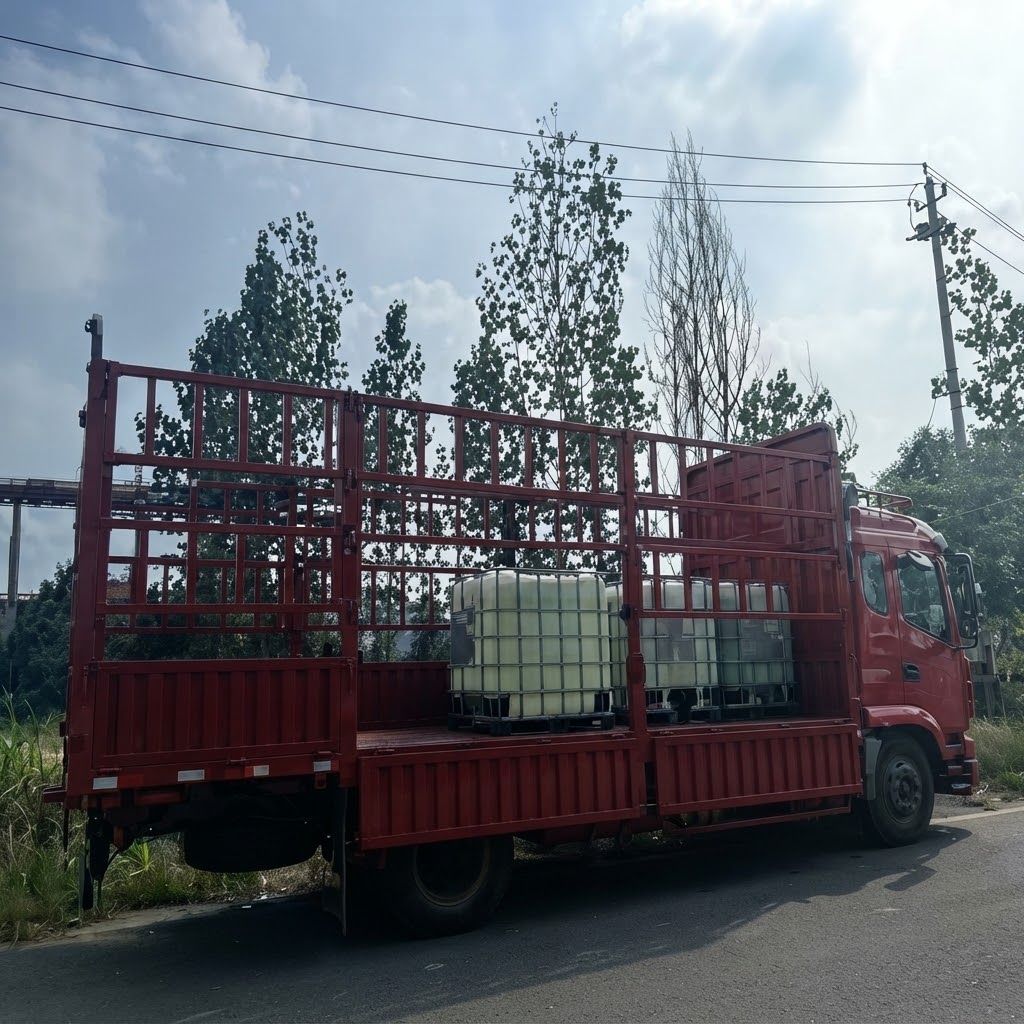
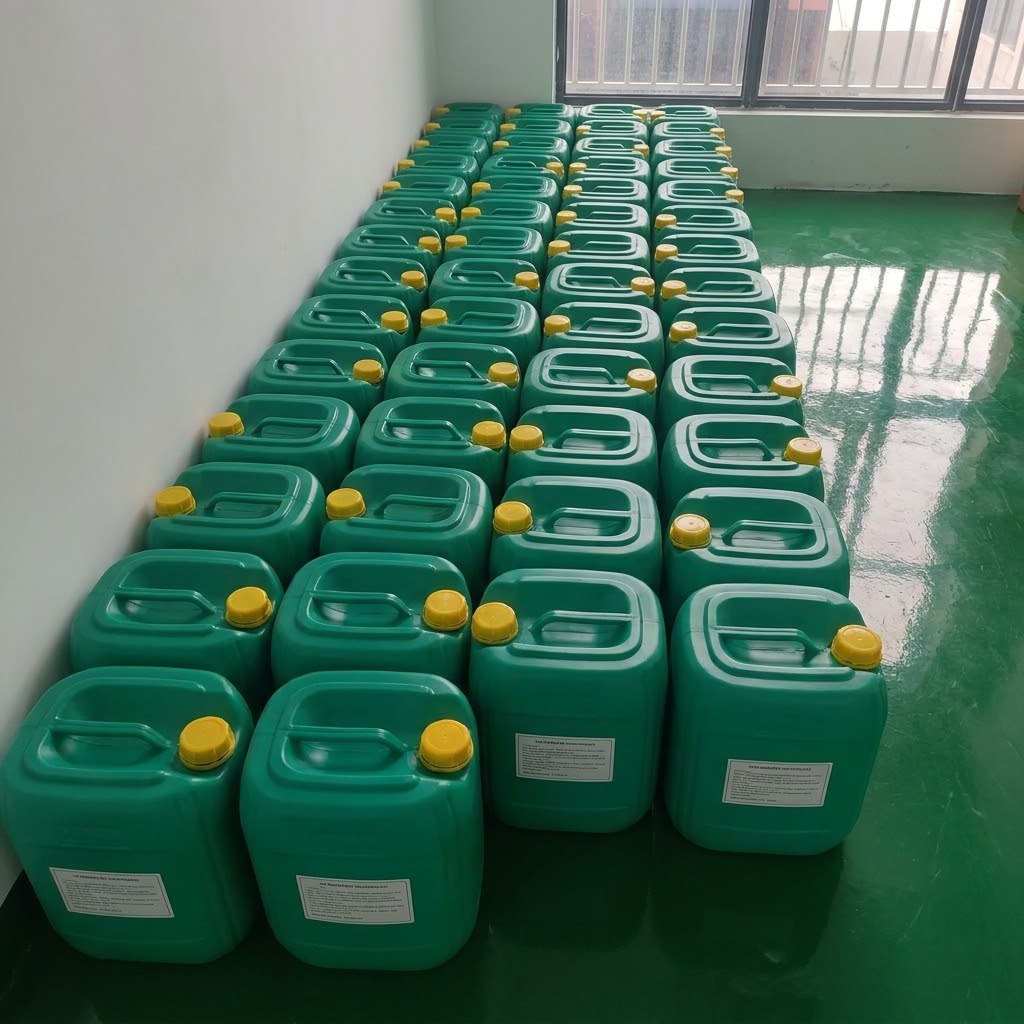
- 500 kg jumbo bags for bulk industrial consumers.
- Customized packaging available as required.
Safety & Compliance
| Requirement | Details |
| SDS/MSDS Available | Yes |
| GHS Classification | Acute Tox. 4 (Oral), Skin Irrit. 2, Eye Irrit. 2, Aquatic Acute 1 |
| UN No. | 2876 |
| Transport Class | Class 6.1 (Toxic Substances), Packing Group III |
| Hazard Statements | H302, H315, H319, H400 |
| Labeling & Packaging | Compliant with local and international chemical transport regulations |
| COA / TDS Available | Available Upon Request |
| Batch Traceability | Fully traceable via lot numbering system |
FAQ
-
Q: How to get more information about the product?A: You can contact us via email at info@zhpmchem.com or WhatsApp at +8618321309391 for more information about our products and company.
-
Q: Does the product meet our requirements regarding formulation, equipment, and processing?A: Yes, we will adjust the product formulation to your specific needs, ensuring it meets your processing requirements.
-
Q: Why did my batch of Resorcinol turn slightly pink over time, and is it still usable?A: Pure resorcinol oxidizes slowly when exposed to air and light, developing a pink or light brown tint. For most industrial applications (like rubber adhesion or wood resins), a slight color change does not affect chemical performance. However, for cosmetics or dyes, strictly white crystals may be required.
-
Q: Is Resorcinol safe for use in skin care products?A: Yes, but only in heavily regulated concentrations. In many regions, it is approved for over-the-counter acne treatments at concentrations typically between 2% and 10%. It must be formulated correctly to avoid excessive skin irritation.
-
Q: How does Resorcinol improve tire manufacturing?A: It is a crucial component in the RFL (Resorcinol-Formaldehyde-Latex) dip. Tires face extreme mechanical stress; resorcinol creates a robust chemical bridge between the smooth synthetic tire cords and the surrounding rubber, preventing the tire from shredding apart at high speeds.
-
Q: What is the standard shelf life of this product?A: When stored correctly in its original, tightly sealed packaging in a cool, dry, and dark environment, the standard shelf life is 24 months from the date of manufacture.