


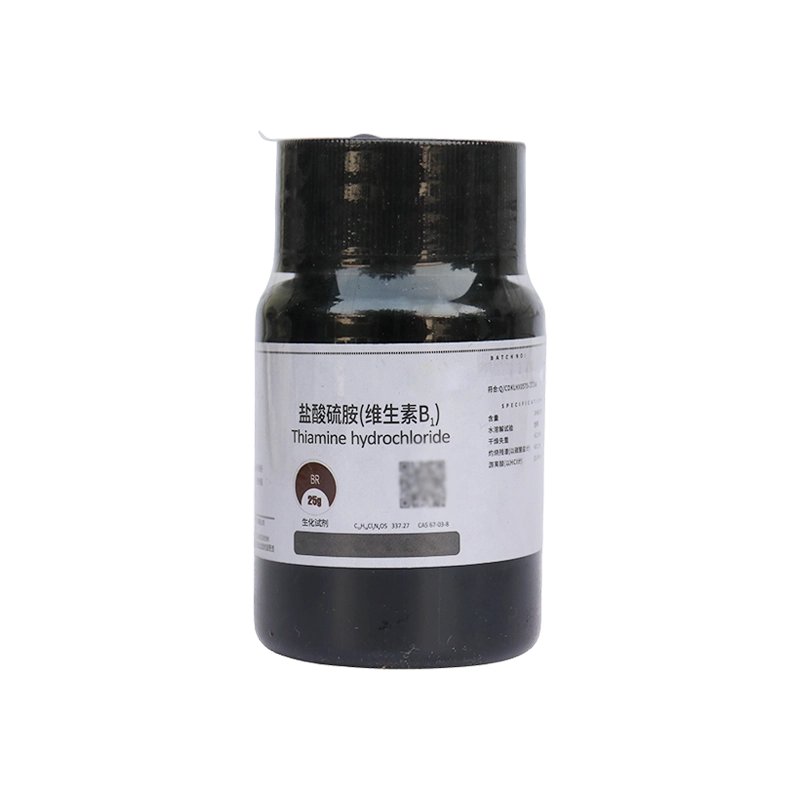

Thiamine Hydrochloride, universally known as Vitamin B1, is a vital water-soluble vitamin. It generally presents as a white to almost white crystalline powder with a slight, characteristic thiazole odor. It is highly hygroscopic and notably sensitive to heat, light, oxygen, and alkaline conditions. In aqueous solutions, it demonstrates an acidic profile (pH roughly 2.7 to 3.4 for a 1% solution).
Thiamine Hydrochloride CAS 67-03-8
Description
- CAS: 67-03-8
- Synonyms: Vitamin B1 Hydrochloride, Aneurine Hydrochloride, Thiamine Chloride Hydrochloride
- Einecs: 200-641-8
- Molecular Formula: C12H18Cl2N4OS (or C12H17ClN4OS·HCl)
- Grade: Pharmaceutical Grade, Food Grade, Cosmetic Grade
- Package: As required
Details
Chemical Reactions
- Catalytic Activity: Beyond its nutritional role, Thiamine Hydrochloride serves as a highly efficient organocatalyst in organic chemistry. It is frequently used to promote condensation reactions, such as benzoin condensation and the synthesis of various heterocyclic and pyrimidine derivatives.
- Thermal/Alkaline Degradation: When exposed to excessive heat or high pH (alkaline) environments, the thiazole ring is prone to cleavage. This reaction destroys its vitamin efficacy and can produce undesirable off-flavors.
- Oxidation: In the presence of oxidizing agents, it converts into thiochrome, a strongly fluorescent compound. This specific reaction is widely utilized in analytical chemistry to quantify thiamine levels.
Specifications
| Property | Specification |
|---|---|
| Appearance | White to almost white powder or crystals |
| Assay (Purity) | ≥ 98.0% |
| Melting Point | Approx. 245°C – 248°C (with decomposition) |
| Volatility | Non-volatile under standard conditions |
| Ash Content | ≤ 0.1% (Residue on ignition) |
| Solubility | Freely soluble in water; slightly soluble in ethanol; insoluble in ether |
| Thermal Stability | Heat-sensitive; degrades upon prolonged thermal exposure |
Applications
Storage Requirements
To preserve optimal biological activity and shelf life, Thiamine Hydrochloride must be stored in a tightly sealed container in a cool, dry, and dark environment (recommended storage temperature is below 15°C / 59°F). Due to its hygroscopic nature, protecting it from moisture is critical. Keep away from direct sunlight and heat sources. For long-term preservation, storage under an inert gas is highly recommended.
Handling & Usage Precautions
- Personal Protective Equipment (PPE): Always wear appropriate protective gear, including chemical-resistant gloves, safety goggles, and a dust mask to prevent inhalation.
- Ventilation: Handle in a well-ventilated area or under a local exhaust system to avoid the accumulation of airborne dust.
- Avoid Contact: Prevent direct contact with skin, eyes, and clothing. In case of eye contact (which can cause serious irritation), immediately flush with plenty of water and seek medical advice if irritation persists.
- Spill Management: Sweep up spills gently to minimize dust generation and dispose of the material in accordance with local environmental regulations.
Formulations
Packaging
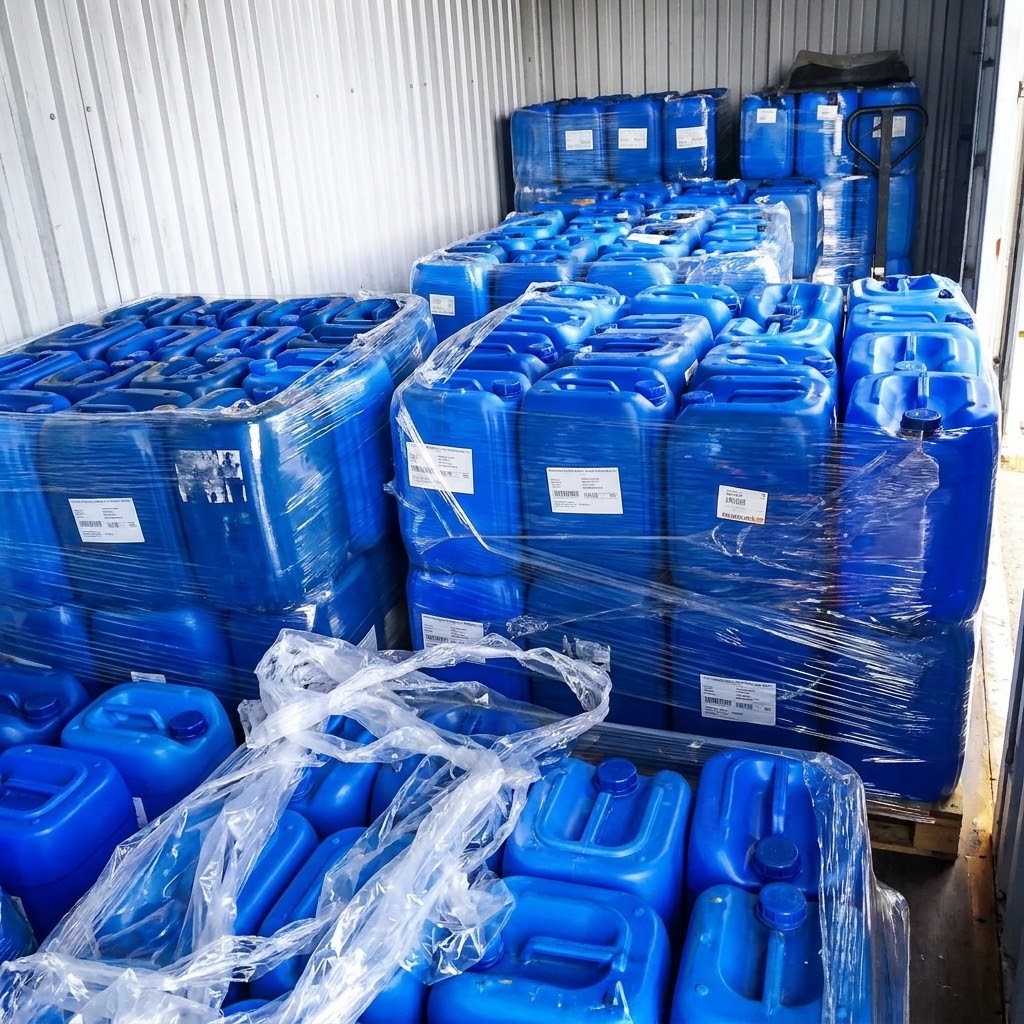
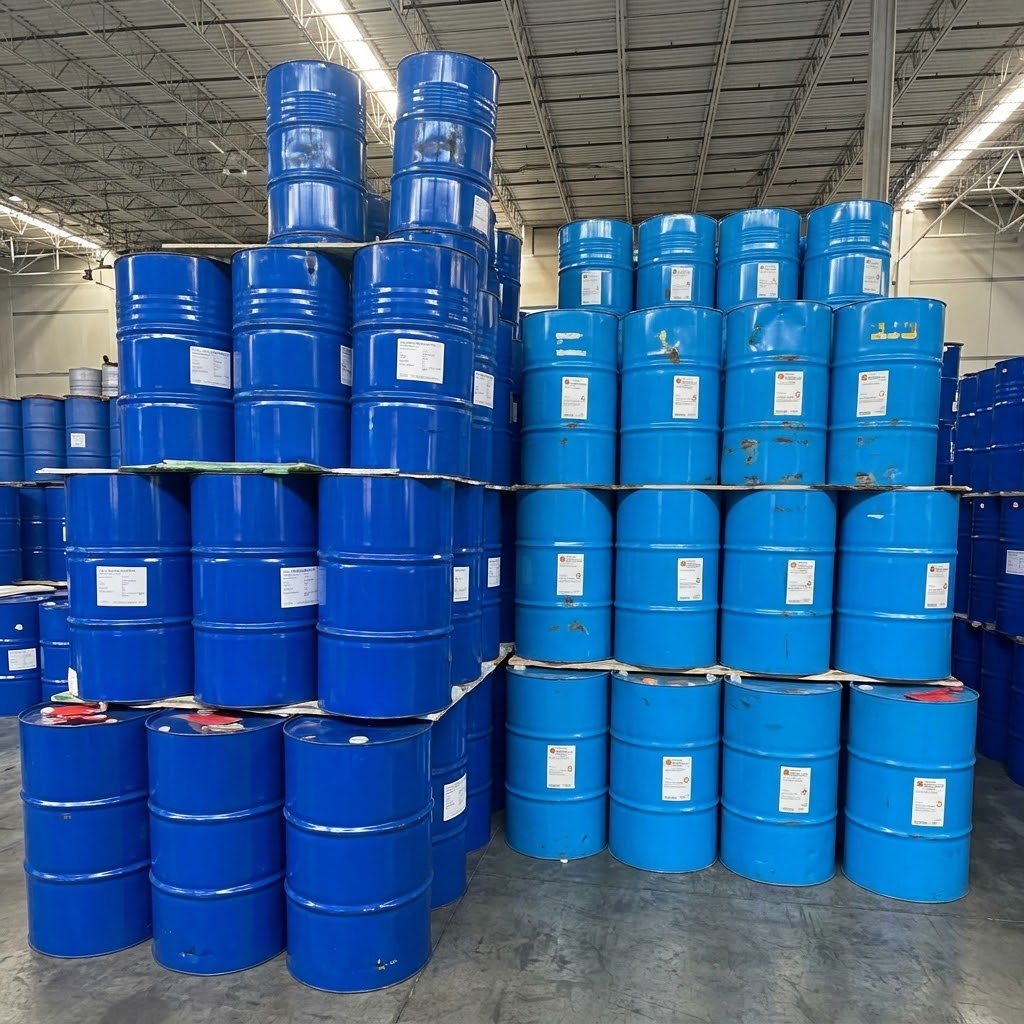
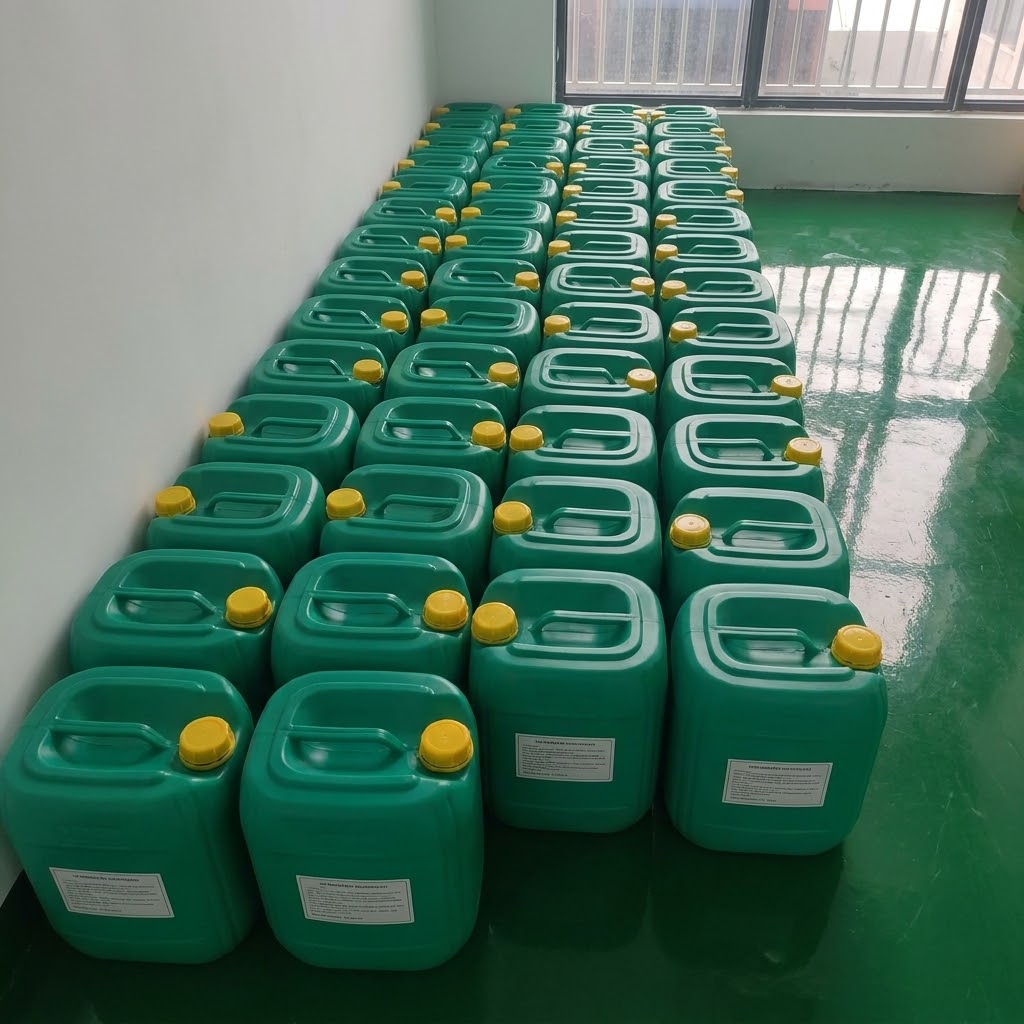
- 20 kg fiber drum or carton box, lined with PE bag.
- Customized packaging available upon request.

Safety & Compliance
| Compliance / Safety Category | Status / Details |
|---|---|
| SDS/MSDS | Available |
| GHS Classification | Classified |
| UN No. | 1090 |
| Transport Class | 3 |
| Hazard Statements | H319: Causes serious eye irritation |
| Labeling and Packaging Compliance | Compliant |
| COA / TDS | Available Upon Request |
| Batch Traceability | Maintained |
FAQ
-
Q: How to get more information about the product?A: You can contact us via email at info@zhpmchem.com or WhatsApp at +8618321309391 for more information about our products and company.
-
Q: Does the product meet our requirements regarding formulation, equipment, and processing?A: Yes, we will adjust the product formulation to your specific needs, ensuring it meets your processing requirements.
-
Q: What is the primary difference between Thiamine Hydrochloride and Thiamine Mononitrate?A: Both are stable, synthetic forms of Vitamin B1. Thiamine Hydrochloride is highly water-soluble, making it the preferred choice for liquid formulations, injectables, and rapidly dissolving supplements. Thiamine Mononitrate is less water-soluble and less hygroscopic, making it better suited for dry solid formulations like compressed tablets and fortified flours.
-
Q: Is Thiamine Hydrochloride sensitive to heat during manufacturing?A: Yes, it is highly sensitive to elevated temperatures and thermal processing. Prolonged exposure to heat can cause the compound to degrade, resulting in a loss of biological efficacy. Cold storage and controlled manufacturing temperatures are strongly advised.
-
Q: How should I store this product to prevent clumping and degradation?A: Because it is hygroscopic (readily absorbs moisture from the air), it must be kept in a tightly sealed container. It should be stored in a cool, dark, and dry place, preferably below 15°C (59°F), to ensure maximum stability.
-
Q: What is the main function of Thiamine Hydrochloride in dietary supplements?A: Its primary function is to serve as a critical coenzyme in carbohydrate metabolism. It helps the body efficiently convert the food you eat into usable cellular energy (ATP), while also playing a vital role in maintaining proper nerve function and cardiovascular health.