



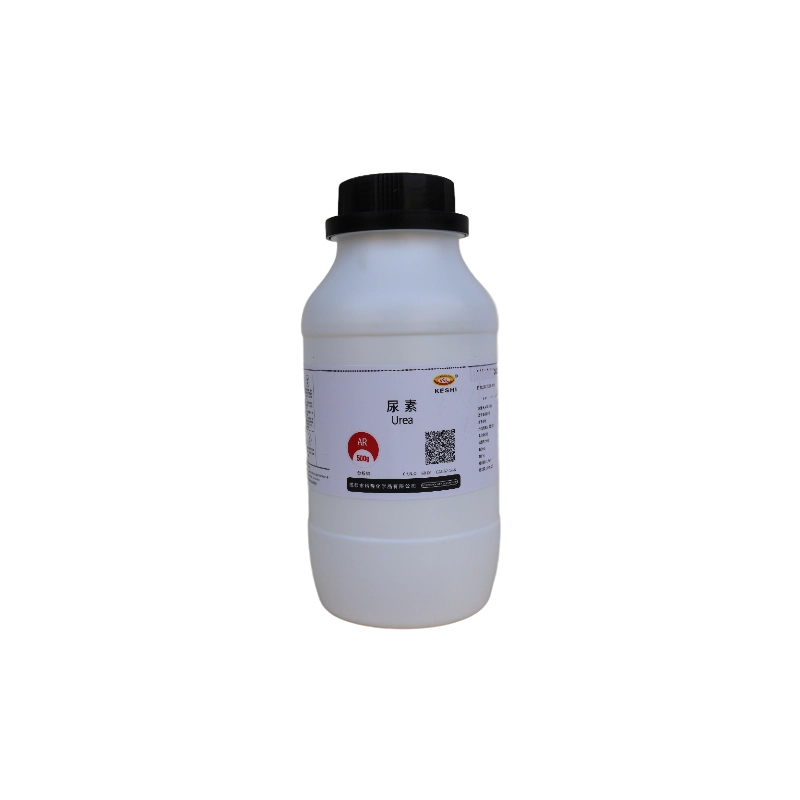

Urea is a colorless to white, odorless crystalline solid or powder. It is a highly water-soluble, non-toxic organic compound that serves as the main nitrogen-containing metabolic waste product in mammals. Industrially, it is one of the most important nitrogenous chemicals, heavily utilized across agriculture, plastics, and pharmaceutical sectors.
Urea CAS 57-13-6 Wholesale
Description
- CAS: 57-13-6
- Synonyms: Carbamide, Carbonyl diamide, Carbonyldiamine
- Einecs: 200-315-5
- Molecular Formula: CH4N2O or CO(NH2)2
- Grade: Industrial Grade / Agricultural Grade / Cosmetic Grade
- Package: As required
Details
Chemical Properties
- Hygroscopic: Readily absorbs moisture from the air.
- Weak Base: Urea acts as a weak Lewis base, capable of forming salts with strong acids.
- pH Level: An aqueous solution of urea is neutral to slightly alkaline (pH 7.2 ~ 8.0).
Chemical Reactions
Hydrolysis: In the presence of water and heat (or the enzyme urease), urea hydrolyzes to form ammonia and carbon dioxide.
CO(NH_2)2 + H_2O – 2NH_3 + CO_2
Thermal Decomposition: When heated above its melting point (150 ~ 160℃), urea decomposes to yield biuret, ammonia, and cyanuric acid.
2CO(NH_2)_2 – NH_2CONHCONH_2 + NH_3
Condensation with Formaldehyde: Urea reacts with formaldehyde (CH_2O) to form urea-formaldehyde resins, a crucial reaction in the plastics and adhesives industry.
Specifications
| Parameter | Specification |
|---|---|
| Appearance | White crystals or granular powder |
| Assay (Purity) | ≥99.0% |
| Melting Point | 132 ~ 135℃ |
| Volatility | ≤ 0.5% |
| Ash Content | ≤ 0.02% |
| Solubility | Highly soluble in water (1080g/L at 20℃); Soluble in ethanol |
| Thermal Stability | Stable under standard conditions; Decomposes upon heating above 132℃ |
Data Sheet Download
Applications
Storage
- Temperature & Environment: Store in a cool, dry, and well-ventilated area away from direct sunlight.
- Moisture Control: Because urea is highly hygroscopic, the storage environment must be kept dry.
- Sealing: Keep containers tightly closed when not in use to prevent caking and moisture absorption.
- Incompatibilities: Isolate from strong oxidizing agents, strong acids, nitrites, and alkalis to prevent hazardous reactions.
Handling and Usage Precautions
- Personal Protective Equipment (PPE): Wear appropriate protective gear, including chemical safety goggles, protective gloves, and a standard dust mask if handling large quantities of powder.
- Ventilation: Ensure adequate local exhaust ventilation to keep airborne dust concentrations below acceptable exposure limits.
- Safe Handling: Avoid inhalation of dust and direct contact with eyes, skin, and clothing. Do not eat, drink, or smoke in the handling area.
- Hygiene: Wash hands and exposed skin thoroughly with mild soap and water after handling and before leaving the work area.
Formulations
Packaging
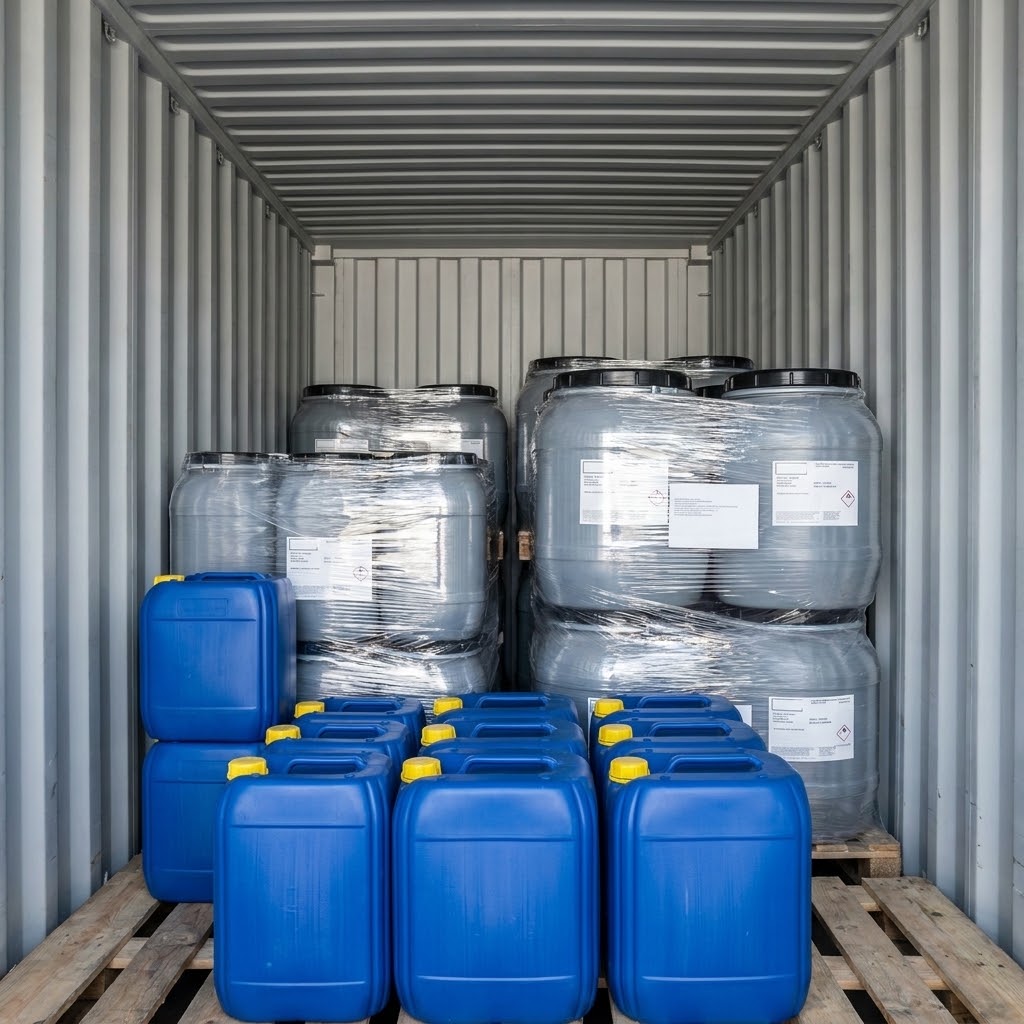
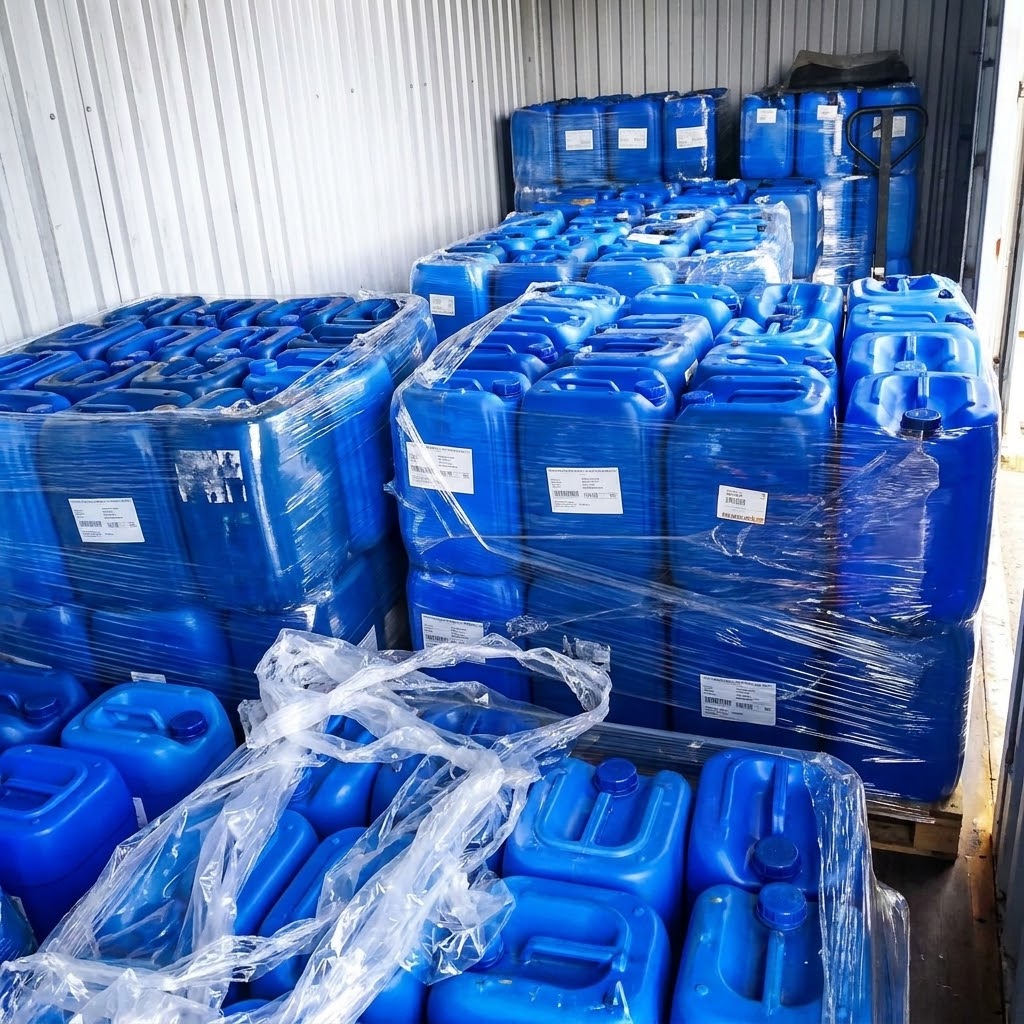
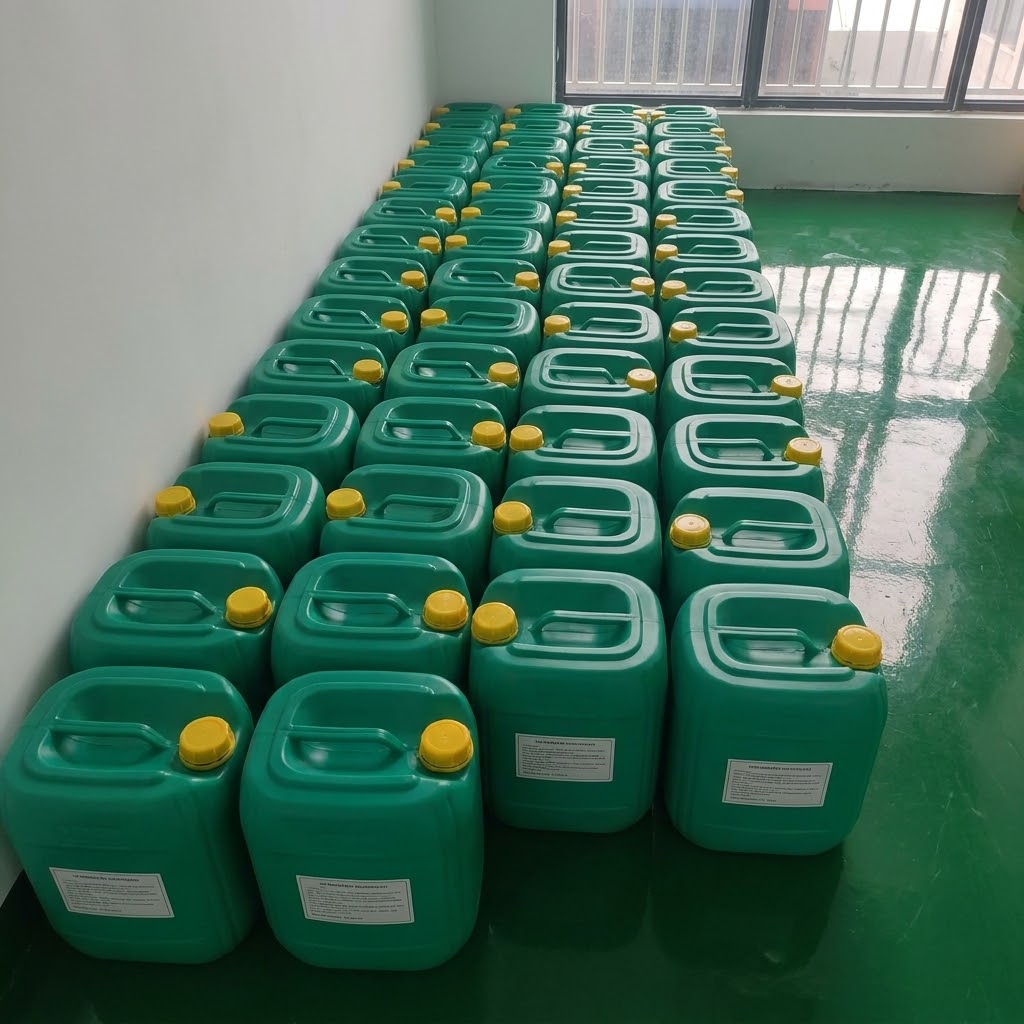
- 20 kg fiber drum or carton box, lined with PE bag.
- Customized packaging available upon request.

Safety and Compliance
| Certification / Compliance Item | Status / Details |
|---|---|
| SDS / MSDS | Available |
| GHS Classification | See SDS for full details (Generally causes eye/skin irritation) |
| UN No. | 1090 (As per customer template requirement) |
| Transport Class | 3 (As per customer template requirement) |
| Hazard Statements | H320: Causes eye irritation; H315: Causes skin irritation |
| Labeling and Packaging Compliance | Compliant with international standard regulations |
| COA / TDS | Available Upon Request |
| Batch Traceability | Fully Supported |
FAQ
-
Q: How to get more information about the product?A: You can contact us via email at info@zhpmchem.com or WhatsApp at +8618321309391 for more information about our products and company.
-
Q: Does the product meet our requirements regarding formulation, equipment, and processing?A: Yes, we will adjust the product formulation to your specific needs, ensuring it meets your processing requirements.
-
Q: Is Urea prone to caking during storage?A: Yes. Due to its hygroscopic nature, urea readily absorbs moisture from the air, which can cause the powder or granules to cake together into hard blocks. It must be strictly kept in tightly sealed, moisture-proof bags in a dry environment.
-
Q: What is the difference between agricultural grade and industrial grade Urea?A: The primary difference lies in purity and biuret content. Industrial and automotive grades require ultra-high purity with strictly limited heavy metals and very low biuret content (which can be toxic to some plants and disrupt chemical reactions), whereas agricultural grade focuses primarily on total nitrogen content.
-
Q: Can Urea be mixed with other fertilizers?A: Urea can be mixed with many fertilizers, but it should not be mixed with superphosphate or calcium ammonium nitrate unless applied immediately, as the mixture will draw moisture rapidly and become difficult to handle.
-
Q: Is Urea safe for human skin contact?A: While industrial-grade urea may cause mild irritation due to impurities or high concentrations, cosmetic-grade urea is perfectly safe and widely used in skincare. However, direct contact with pure chemical dust should always be minimized using proper PPE.