


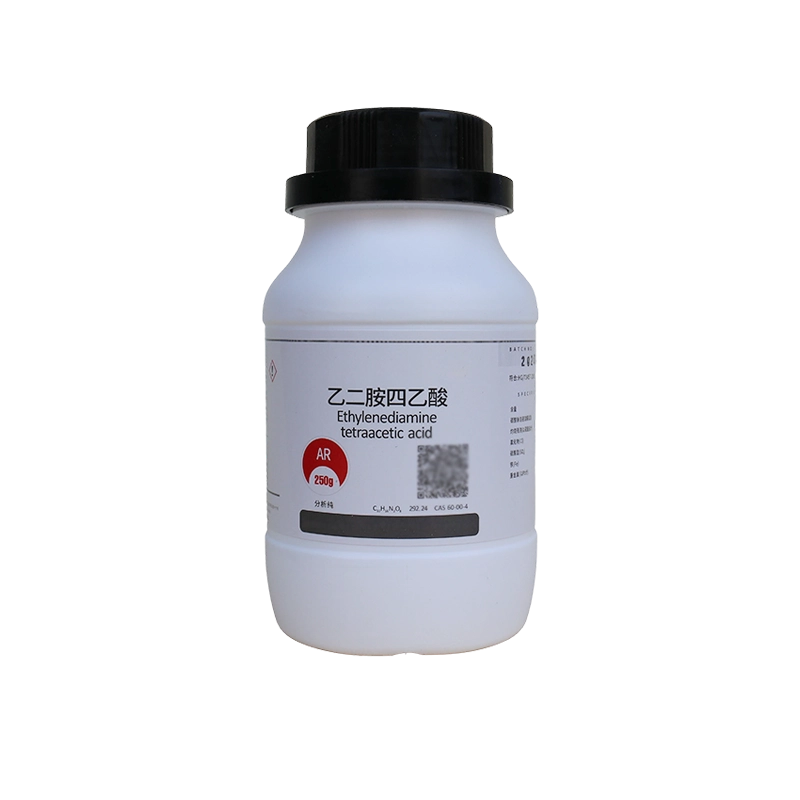
Ethylenediaminetetraacetic Acid (EDTA) is a highly versatile and widely used aminopolycarboxylic acid. It is renowned for its exceptional ability to bind (chelate) metal ions, preventing them from reacting with other substances and altering product stability or performance.
EDTA CAS 60-00-4 Ethylenediaminetetraacetic Acid
Description
- CAS: 60-00-4
- Synonyms: Edetic acid, Ethylenedinitrilotetraacetic acid, EDTA Acid, Trilon B
- Einecs: 200-449-4
- Molecular Formula: C10H16N2O8
- Grade: Industrial Grade / Cosmetic Grade / Food Grade
- Package: As required
Details
Basic Properties & Chemical Characteristics
- Basic Properties: EDTA appears as a white, odorless, crystalline solid or powder. It is an aminopolycarboxylic acid and acts as a hexadentate (“six-toothed”) chelating agent.
- Chemical Characteristics: The molecular structure of EDTA contains four carboxylic acid groups and two amine groups, providing six binding sites. This allows it to wrap around and securely sequester divalent and trivalent metal ions, forming highly stable, ring-like complexes.
- Common Chemical Reactions: As an acid, it readily reacts with bases (like sodium hydroxide or ammonia) to form highly water-soluble EDTA salts.
Specifications
| Specification | Parameter / Standard |
|---|---|
| Appearance | White crystalline powder |
| Assay (Purity) | ≥ 99.0% |
| Melting Point | 240°C – 250°C (Decomposes) |
| Volatility | Very low (Vapor pressure <0.013 hPa at 20°C) |
| Ash Content (Residue on Ignition) | ≤ 0.1% |
| Solubility | Slightly soluble in water (approx. 0.5 g/L at 25°C); Soluble in alkaline solutions. |
| Thermal Stability | Stable under standard conditions; thermal decomposition begins at 240°C. |
Data Sheet Download
Applications
- Detergents and Cleaning Agents: Acts as a water softener. It sequesters calcium and magnesium ions found in hard water, preventing soap scum formation and boosting the cleaning and foaming efficiency of surfactants.
- Cosmetics and Personal Care: Used in shampoos, lotions, and soaps as a stabilizer. By binding trace metals that act as catalysts for oxidation, EDTA prevents discoloration, rancidity, and the degradation of active cosmetic ingredients.
- Textile and Paper Industry: In textiles, it prevents metal ion impurities from altering the colors of dyed fabrics. In paper manufacturing, it stabilizes hydrogen peroxide bleaching baths by sequestering metal ions that would otherwise catalyze the premature breakdown of the bleach.
- Food and Beverage: (Specific Food Grade required) Acts as a preservative and antioxidant. It chelates transition metals like iron and copper, mitigating catalytic oxidation, delaying oil rancidity, and preserving food color and flavor.
- Analytical Chemistry: Extensively utilized in laboratories for complexometric titrations to determine water hardness and metal ion concentrations.
Storage Environment Requirements
- Container: Keep stored in a tightly closed, original container.
- Temperature & Humidity: Store in a cool, dry, and well-ventilated area, preferably at room temperature (15°C – 25°C). Ensure humidity is controlled to prevent moisture absorption and caking.
- Incompatibilities: Keep away from direct sunlight, excess heat, strong oxidizing agents, strong bases, and specific metals like copper, copper alloys, and nickel.
Handling and Use Precautions
- Personal Protective Equipment (PPE): Wear safety goggles/glasses with side shields, chemical-resistant gloves, and suitable protective clothing. If dust is generated, use an approved dust mask or respirator.
- Handling: Avoid contact with skin, eyes, and clothing. Causes serious eye irritation (H319). Avoid breathing dust and ensure adequate local exhaust ventilation in the workspace.
- Hygiene: Wash hands and face thoroughly after handling the product. Do not eat, drink, or smoke in the work area.
Formulations
- Shampoo Formulations:
- Usage: Added at low concentrations (typically 0.1% – 0.2%).
- Function: Softens the water used during showering to ensure rich lather. It binds trace metals that can cause hair to feel brittle and stabilizes the shampoo’s fragrance and color over its shelf life.
- Laundry Detergents:
- Usage: Integrated into powder and liquid detergent matrixes.
- Function: Neutralizes hard water ions ($Ca^{2+}$, $Mg^{2+}$) so they do not react with anionic surfactants. It also keeps soils suspended in the wash water, preventing dirt from redepositing onto fabrics.
- Skincare Lotions/Creams:
- Usage: Dispersed in the aqueous phase during formulation.
- Function: Enhances the efficacy of preservatives and prevents lipid peroxidation (rancidity) of the oils in the emulsion by inactivating catalytic metal ions.
Packaging
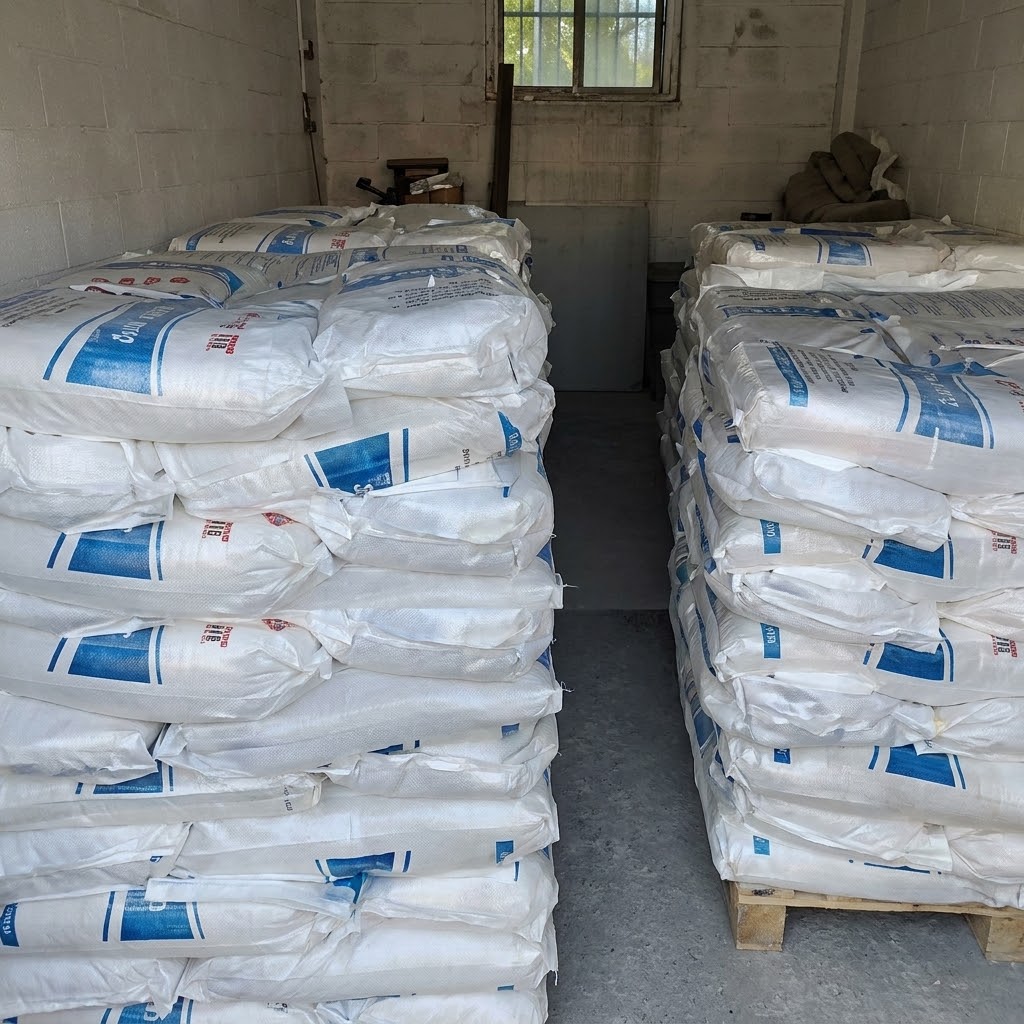
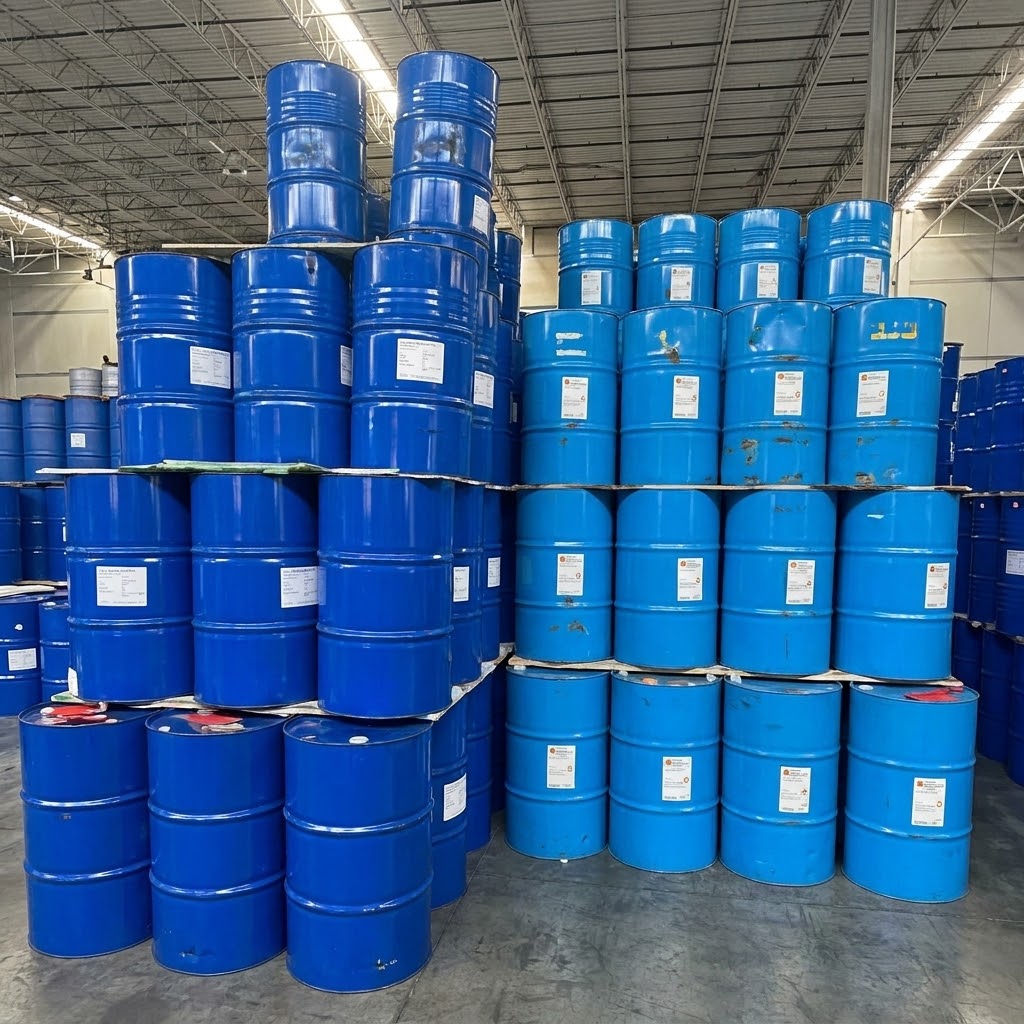
- Standard Packaging: 25 kg multi-wall paper bags with a PE inner liner, or 25 kg fiber drums.
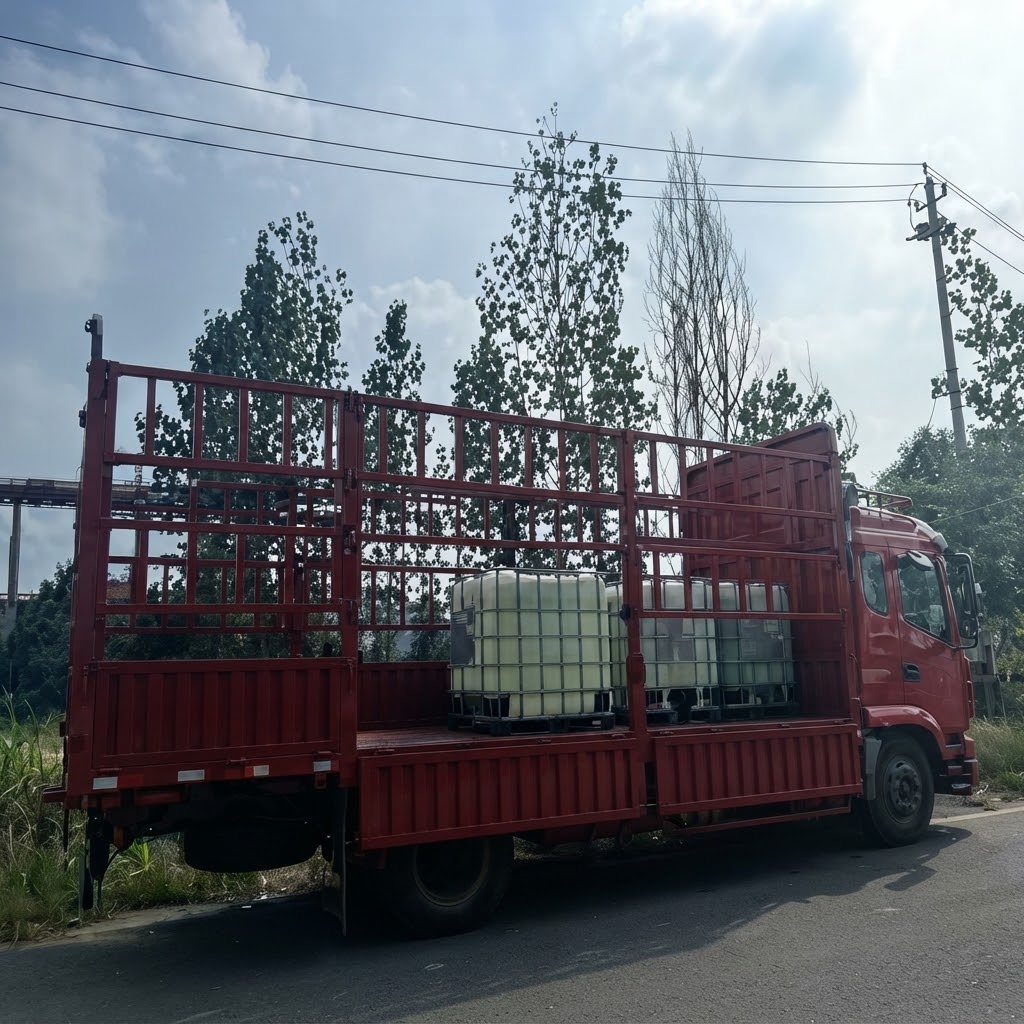
- Bulk Packaging: 500 kg or 1000 kg FIBC (Flexible Intermediate Bulk Container) Jumbo bags.
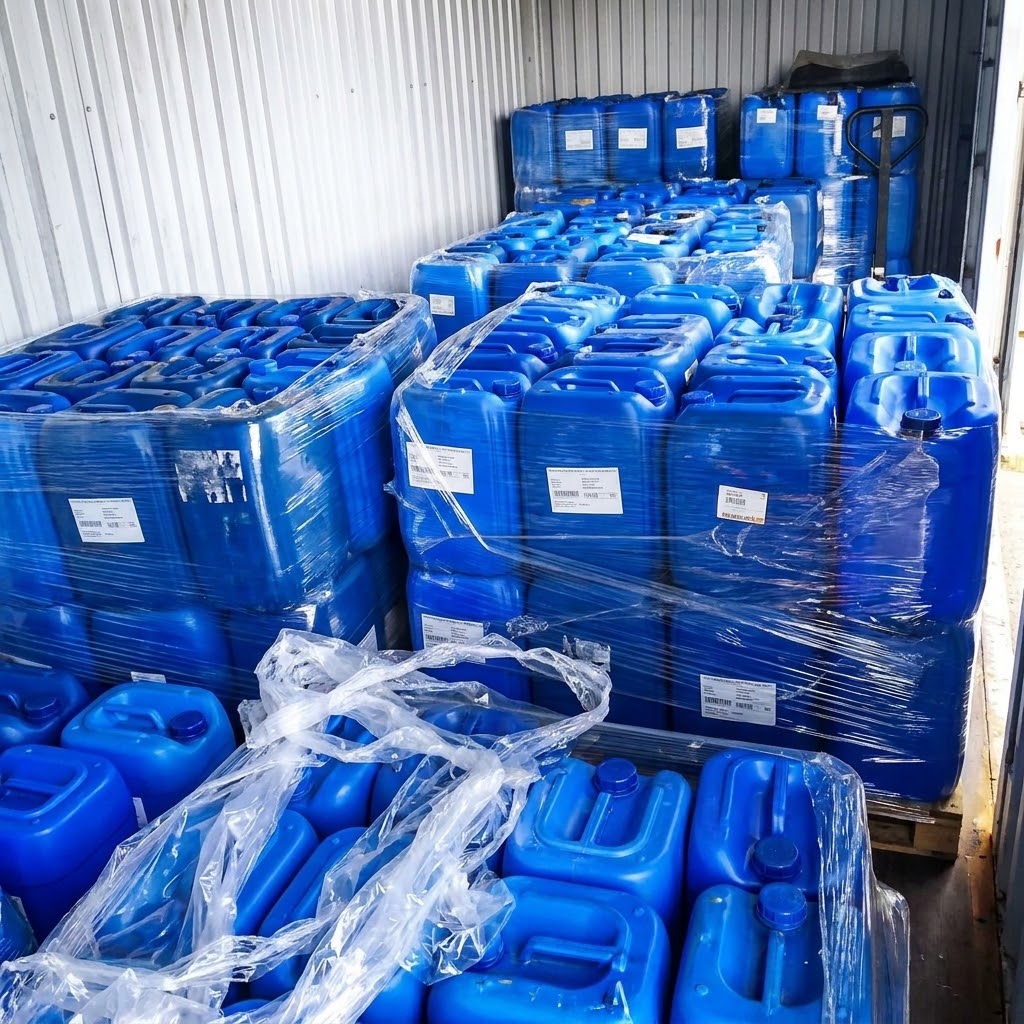
- Customization: Specific packaging materials, weights, and private labeling are available as required to meet customer needs.
Safety and Compliance
| Compliance Item | Status / Details |
|---|---|
| SDS/MSDS | Available |
| GHS Classification | Eye Irritation, Category 2A |
| UN No. | Not Regulated |
| Transport Class | Not Regulated (Non-hazardous for transport via ADR/RID, IMDG, IATA) |
| Hazard Statements | H319: Causes serious eye irritation. |
| Labeling & Packaging Compliance | Fully compliant with GHS, REACH, and local packaging regulations. |
| COA / TDS | Available Upon Request |
| Batch Traceability | Yes, full lot/batch tracking system implemented for quality assurance. |
FAQ
-
Q: How to get more information about the product?A: You can contact us via email at info@zhpmchem.com or WhatsApp at +8618321309391 for more information about our products and company.
-
Q: Does the product meet our requirements regarding formulation, equipment, and processing?A: Yes, we will adjust the product formulation to your specific needs, ensuring it meets your processing requirements.
-
Q: Is EDTA (CAS 60-00-4) safe for use in cosmetics and personal care products?A: Yes, EDTA is widely and safely used in the cosmetics industry. The Cosmetic Ingredient Review (CIR) Expert Panel has thoroughly evaluated EDTA and its salts, determining them to be safe for use in cosmetic formulations at their standard concentrations as stabilizers and chelating agents.
-
Q: How exactly does EDTA soften hard water in cleaning products?A: Hard water contains high levels of calcium and magnesium ions, which react with soaps to form insoluble scum. EDTA acts as a hexadentate ligand, essentially "wrapping" itself around these metal ions to form a very stable, water-soluble complex. Once the metals are locked away, the surfactants in the detergent are free to foam and clean efficiently.
-
Q: Does EDTA pose a risk to the environment?A: While EDTA is highly effective, its strong chelating ability means it does not readily biodegrade in standard wastewater treatment plants, leading to environmental accumulation concerns over time. Many industries manage this by strict dosage control or by recovering the EDTA. Always adhere to local environmental disposal regulations when handling EDTA waste.