



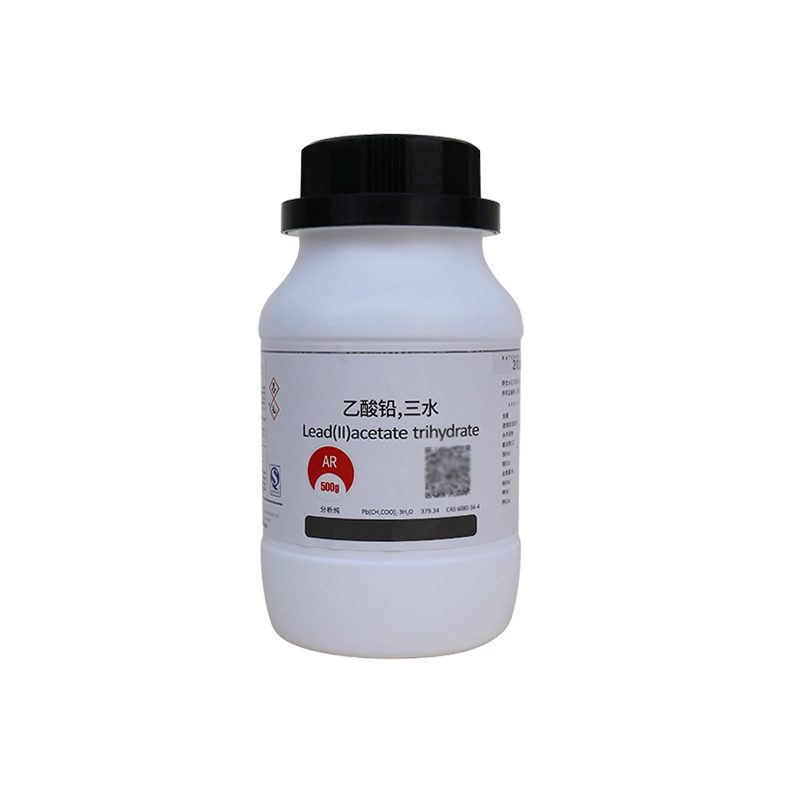
Lead Acetate (specifically Lead(II) acetate trihydrate) is a highly soluble, white crystalline chemical compound widely used as a critical reagent, precursor, and fixative across various industrial and laboratory applications.
Lead Acetate CAS 6080-56-4
Description
- CAS: 6080-56-4
- Synonyms: Lead(II) acetate trihydrate, Lead diacetate trihydrate, Plumbous acetate trihydrate, Sugar of lead
- Einecs: 206-104-4
- Molecular Formula: Pb(CH₃COO)₂·3H₂O or C₄H₆O₄Pb·3H₂O
- Grade: ACS Reagent Grade / Industrial Grade / Puriss
- Package: As required
Details
Basic
Lead Acetate trihydrate appears as colorless crystals, white granules, or a white powder with a slight acetic odor. It is highly soluble in water and glycerin, giving a slightly sweet taste (note: highly toxic). In dry air, the crystals effloresce, losing their water of hydration.
Common Chemical Reactions:
- Reaction with Hydrogen Sulfide (H₂S): One of its most famous reactions is with hydrogen sulfide gas, yielding a black precipitate of lead(II) sulfide (PbS). This reaction is heavily utilized in analytical chemistry to detect H₂S gas.
- Precipitation Reactions: It reacts with various anions (such as chromates, sulfates, and chlorides) to form insoluble lead salts, making it a valuable precursor in inorganic synthesis.
- Coordination Chemistry: Reacts with isomeric phenylenediacetic acids and other ligands to synthesize lead-based coordination polymers.
Specifications
| Parameter | Specification |
|---|---|
| Appearance | White to off-white crystalline solid or powder |
| Assay (Purity) | 99.0% – 102.0% |
| Melting Point | ~75 °C (167 °F) |
| Volatility | Efflorescent in air (loses water of hydration) |
| Ash Content (Insoluble Matter) | ≤ 0.01% (in water/acetic acid) |
| Solubility | Highly soluble in water (approx. 45.6 g/100 mL at 20 °C) and glycerin; slightly soluble in ethanol |
| Thermal Stability | Decomposes at temperatures above 200 °C (392 °F) |
Data Sheet Download
Applications
- Analytical Reagents & Test Papers: Serves as the active ingredient in “Lead Acetate Paper” to detect poisonous hydrogen sulfide gas. Acts as a sensitive visual indicator by turning from white to brown/black upon exposure to H₂S.
- Textile & Dyeing Industry: Used in certain dyeing processes. Acts as a mordant and color fixative, helping organic dyes bond securely to textile fibers.
- Chemical Synthesis: Precursor in the manufacturing of other lead salts, lead sulfide nanoparticles, and organometallic compounds. Provides a highly reactive, water-soluble source of Pb²⁺ ions.
- Paints & Coatings: Employed in the production of waterproof paints and varnishes. Functions as a desiccant (drying agent) or catalyst to accelerate the curing process.
Storage Environment Requirements
- Temperature: Store at room temperature (recommended 15 °C to 25 °C).
- Environment: Keep in a dry, well-ventilated area away from direct sunlight.
- Containers: Store in tightly closed, sealed containers to prevent efflorescence and prevent the absorption of carbon dioxide from the air (which forms insoluble basic lead carbonate).
- Incompatibilities: Keep strictly isolated from strong oxidizers, strong acids, strong alkalis, bromates, and phenols.
Handling and Usage Precautions
- Ventilation: Use only under a chemical fume hood or with adequate local exhaust ventilation to prevent inhalation of chemical dust.
- Personal Protective Equipment (PPE): Always wear chemical-resistant gloves (e.g., nitrile), safety goggles, and protective laboratory clothing. A respirator is required if dust is generated.
- Hygiene Practices: Do not eat, drink, or smoke while handling this product. Wash hands and face thoroughly immediately after handling.
- Environmental Protection: Highly toxic to aquatic life. Prevent release into the environment, drains, or watercourses.
Formulations
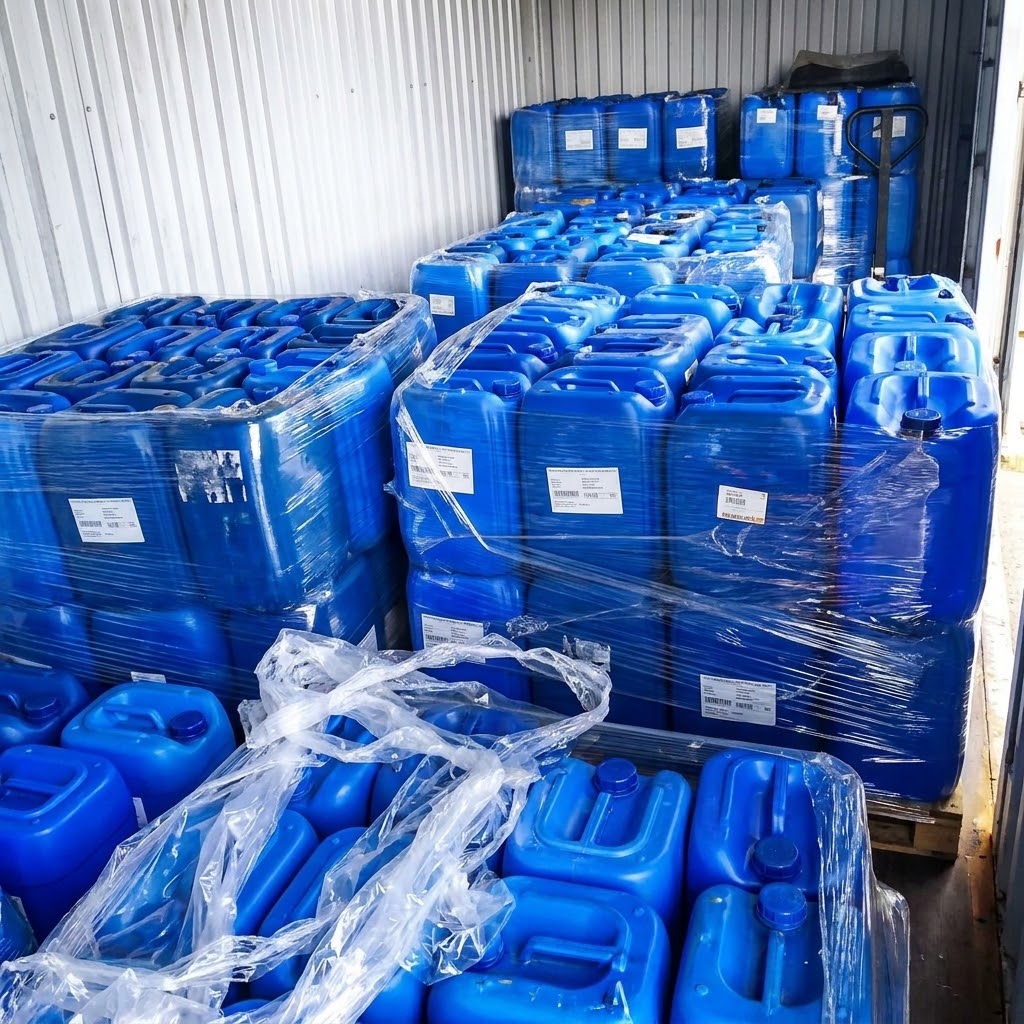
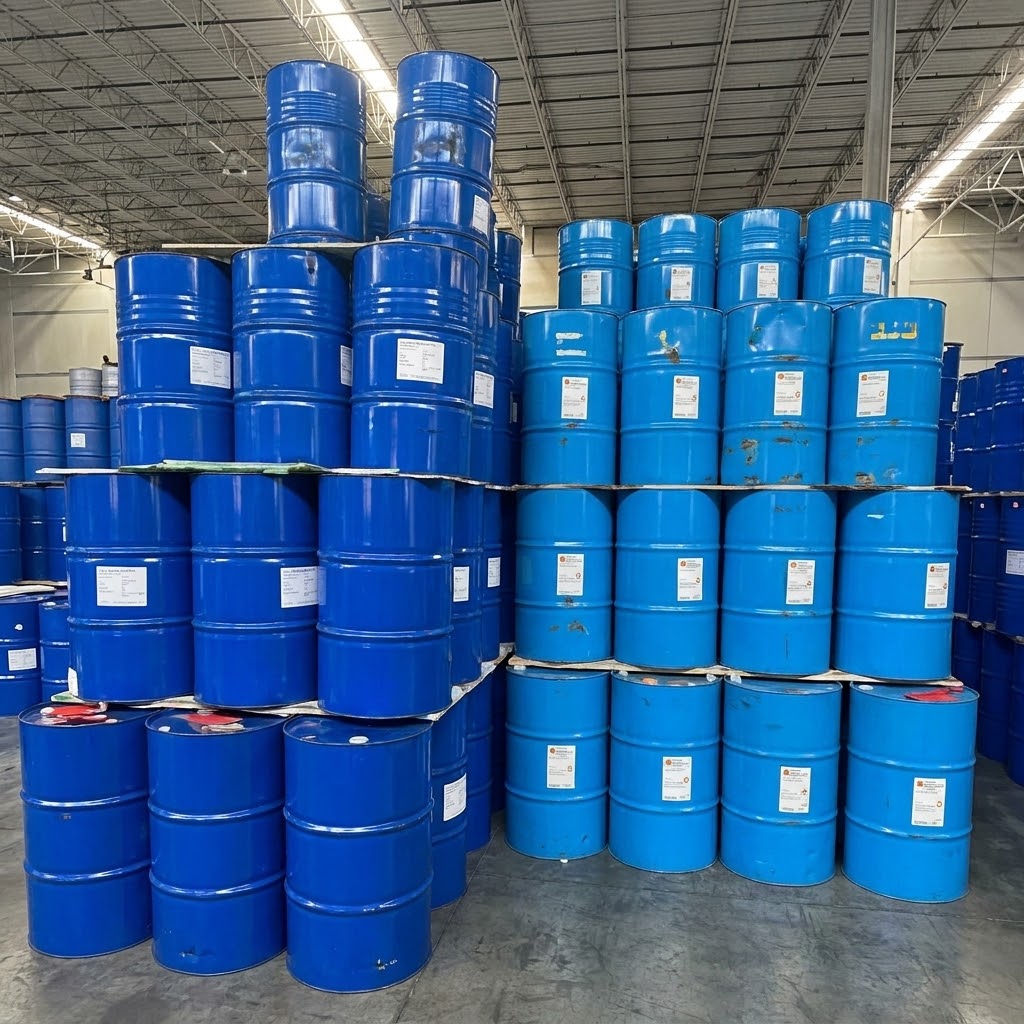
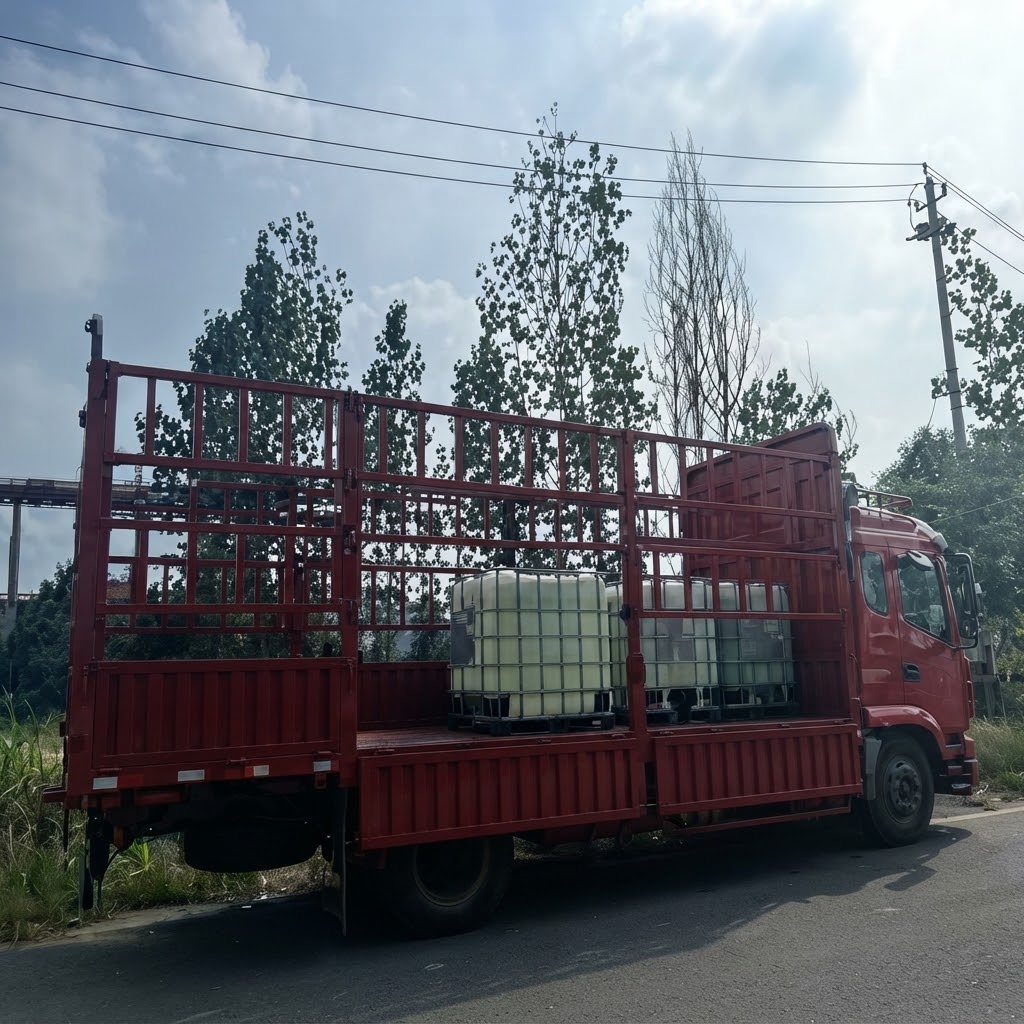
Packaging
- Standard Packaging: 25 kg fiber drums or heavy-duty multi-wall paper bags with double-layered inner PE (polyethylene) moisture-proof bags.
- Laboratory/Reagent Packaging: 500g and 1 kg sealed HDPE or glass bottles.
- Custom Packaging: Package as required. We can accommodate custom weights, bulk bags, or specific container requests to fit your manufacturing line.
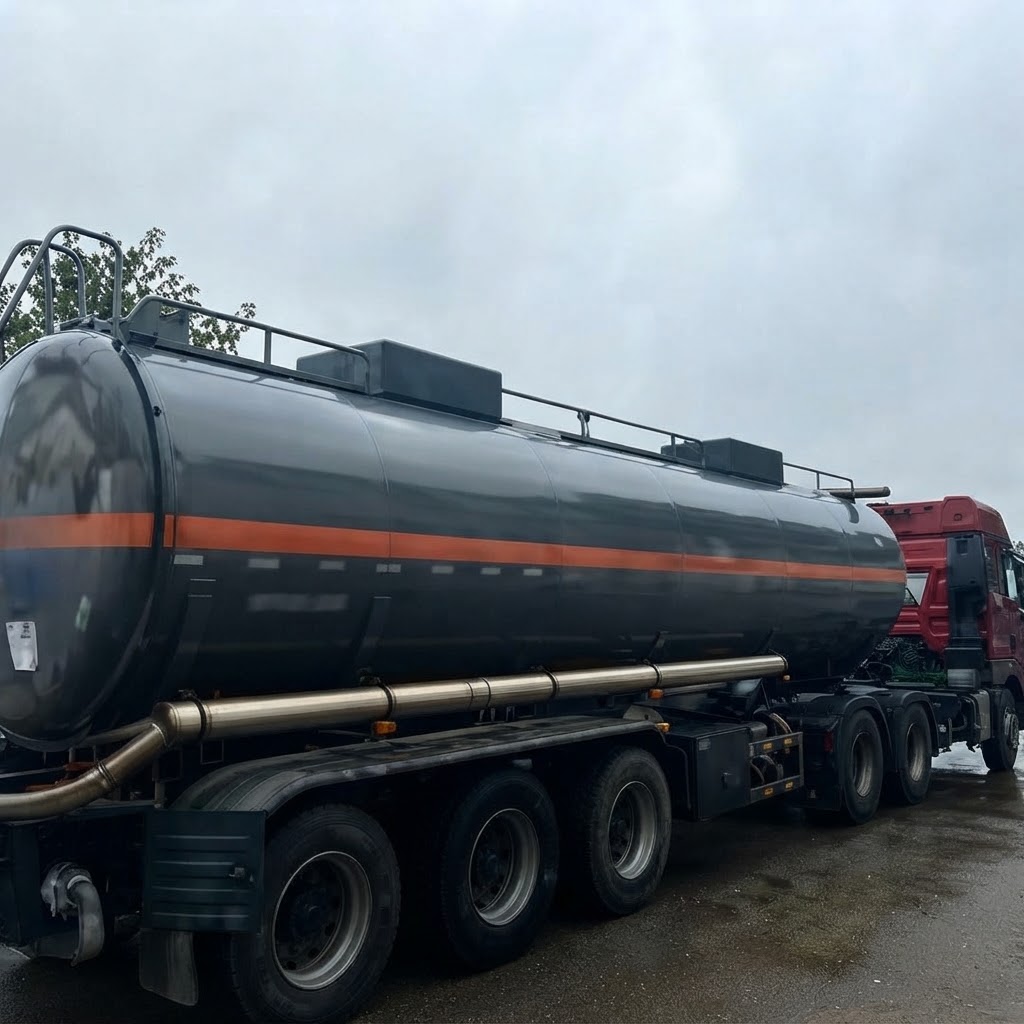
Safety and Compliance
| Compliance/Safety Item | Detail |
|---|---|
| SDS / MSDS | Available Upon Request |
| GHS Classification | Carc. 2, Repr. 1A, STOT RE 1, Eye Dam. 1, Aquatic Acute 1, Aquatic Chronic 1 |
| UN Number | UN 1616 |
| Transport Class | Class 6.1 (Toxic Substances) |
| Hazard Statements | H318 (Causes serious eye damage)H351 (Suspected of causing cancer)H360Df (May damage unborn child; suspected of damaging fertility)H372 (Causes damage to organs through prolonged exposure)H410 (Very toxic to aquatic life with long lasting effects) |
| Labeling & Packaging | Fully compliant with local and international GHS/CLP hazardous goods regulations |
| COA / TDS | Available Upon Request |
| Batch Traceability | Strict Lot/Batch control system implemented; full traceability maintained from raw material to final delivery. |
FAQ
-
Q: How to get more information about the product?A: You can contact us via email at info@zhpmchem.com or WhatsApp at +8618321309391 for more information about our products and company.
-
Q: Does the product meet our requirements regarding formulation, equipment, and processing?A: Yes, we will adjust the product formulation to your specific needs, ensuring it meets your processing requirements.
-
Q: How does Lead Acetate detect hydrogen sulfide (H₂S) gas?A: When Lead Acetate comes into contact with hydrogen sulfide, a rapid chemical reaction occurs that produces Lead(II) sulfide (PbS). Lead sulfide is highly insoluble and naturally black or dark brown. This distinct color change makes it an excellent visual indicator.
-
Q: Are there special shipping regulations for this chemical?A: Yes. Lead Acetate is classified as a Class 6.1 Toxic Substance under UN 1616. It must be shipped in appropriately labeled, UN-approved packaging. We handle all necessary hazardous materials declarations for domestic and international freight to ensure compliant delivery.
-
Q: Can I request customized packaging or a specific purity assay for my formulation?A: Absolutely. We offer "Package as required" flexibility, from 1kg lab bottles to bulk 25kg drums. If your manufacturing process requires a specific purity grade (e.g., strict heavy metal limits for specialized synthesis), please contact our sales team to discuss custom COA specifications.