


EDTA (CAS 60-00-4): Uses, Applications, and B2B Sourcing Solutions
Release time: 2026-08-04
Table of Contents
Introduction
In the realm of industrial chemicals, Ethylenediaminetetraacetic Acid (EDTA) stands out as one of the most powerful and versatile chelating agents available. By binding to metal ions and preventing them from reacting with other substances, EDTA is a critical performance enhancer across a vast array of industries, including agriculture, water treatment, textiles, and cosmetics.
What Is EDTA (CAS 60-00-4)?
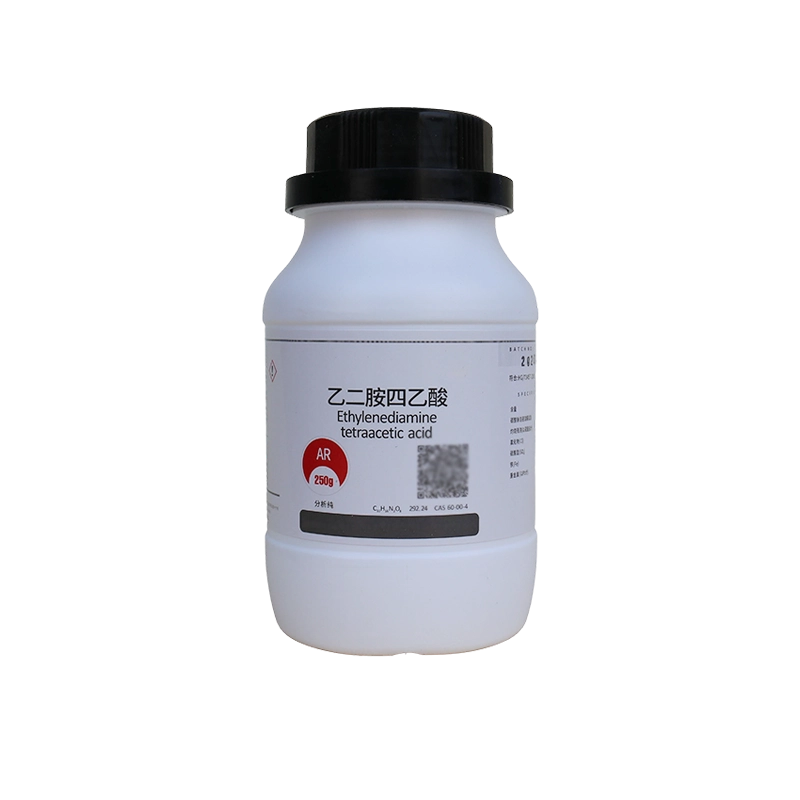
EDTA (Ethylenediaminetetraacetic Acid), corresponding to CAS No. 60-00-4, is an aminopolycarboxylic acid. In its pure form, it is a white, odorless crystalline powder. Its primary chemical function is chelation—the ability to “claw” or bind to heavy metal and alkaline earth metal ions (such as calcium, magnesium, iron, and copper), neutralizing their reactivity in aqueous solutions.
It is important for buyers to note that CAS 60-00-4 refers specifically to the free acid form of EDTA, which has a very low solubility in water compared to its sodium salt counterparts (like Tetrasodium EDTA).
- Chemical Name: Ethylenediaminetetraacetic Acid
- Chemical Formula: C₁₀H₁₆N₂O₈
- Appearance: White crystalline powder
- Solubility: Insoluble in cold water; soluble in alkalis (bases)
How Is EDTA Produced?
At an industrial scale, EDTA is typically synthesized through a controlled reaction involving ethylenediamine, formaldehyde, and sodium cyanide (or hydrogen cyanide). This reaction forms the tetrasodium salt of EDTA, which is then acidified (usually with hydrochloric acid or sulfuric acid) to precipitate the pure EDTA free acid. The product is then washed, dried, and packaged to ensure high purity and consistent crystal size.
Key Industrial Applications of EDTA (CAS 60-00-4)
1. Agriculture: Micronutrient Fertilizers
In the agricultural sector, EDTA is heavily utilized to manufacture metal chelates (e.g., EDTA-Fe, EDTA-Zn, EDTA-Cu). Plants often struggle to absorb essential trace minerals from the soil, especially in alkaline conditions. EDTA binds to these metal ions, preventing them from precipitating into insoluble compounds and ensuring they remain fully bioavailable for plant root absorption.
2. Water Treatment and Boiler Descaling
Hard water contains high levels of calcium and magnesium ions, which cause scale buildup in pipes, boilers, and industrial machinery. EDTA acts as a highly effective water softener and descaling agent. By sequestering these mineral ions, EDTA prevents scale formation, improves heat transfer efficiency, and extends the lifespan of expensive industrial equipment.
3. Textile Processing and Dyeing
The textile industry relies on EDTA during the bleaching, scouring, and dyeing processes. Trace metals in water can alter dye colors, cause uneven dyeing, or degrade bleaching agents like hydrogen peroxide. Adding EDTA to the dye bath sequesters these interfering metals, ensuring vibrant, consistent color yields and superior fabric quality.
4. Cosmetics and Personal Care
In cosmetic formulations (lotions, shampoos, soaps), trace metals from water or raw materials can cause oxidation, leading to changes in color, texture, or rancidity. EDTA acts as a stabilizer and preservative enhancer, binding these metals to maintain product integrity and extend shelf life.
(Note: While salts like Disodium EDTA are more common here, the free acid is used in formulations requiring specific pH adjustments).
Addressing B2B Buyer Pain Points: Sourcing EDTA Efficiently
Purchasing EDTA in bulk often presents technical and logistical hurdles. A reliable chemical supplier must address these core pain points to ensure buyers get the exact product they need:
1. The “Free Acid vs. Sodium Salt” Confusion
The Pain Point: Buyers frequently purchase EDTA free acid (CAS 60-00-4) when their formulation actually requires a highly water-soluble salt like Tetrasodium EDTA (CAS 64-02-8) or Disodium EDTA (CAS 139-33-3). This leads to manufacturing delays and wasted materials. The Solution: A professional supplier provides expert technical support prior to purchase. If your process operates in a highly alkaline environment or you are synthesizing metal chelates from scratch, the free acid (60-00-4) is correct. A quality supplier will verify your application to prevent costly ordering mistakes.
2. Chelating Value (CV) and Purity Inconsistencies
The Pain Point: Not all EDTA is created equal. Low-grade EDTA may have a low Chelating Value, meaning you must use significantly more product to achieve the desired sequestering effect, driving up production costs. The Solution: Premium suppliers guarantee a purity of ≥99% and a high, verified Chelating Value. Buyers should always demand a detailed Certificate of Analysis (COA) with every batch to ensure consistent chemical activity and the absence of heavy metal impurities.
3. Caking and Moisture Control During Transit
The Pain Point: EDTA powder can absorb moisture during long-haul shipping, leading to “caking” (clumping), which makes it difficult to dissolve and process in automated manufacturing lines. The Solution: Top-tier manufacturers utilize multi-layered, moisture-proof packaging, typically 25kg kraft paper bags with PE inner liners. Proper pallet wrapping and controlled warehouse logistics ensure the powder remains free-flowing upon delivery.
Safety Considerations and Environmental Handling
While EDTA is not highly toxic, proper safety and environmental protocols must be observed:
- Handling: EDTA free acid is an eye and respiratory irritant. Workers should wear standard PPE, including dust masks, safety goggles, and gloves, to prevent irritation during handling and mixing.
- Storage: Store in a cool, dry, well-ventilated area away from strong oxidizing agents and strong bases (unless intended for immediate reaction).
- Environmental Impact: EDTA is poorly biodegradable in standard wastewater treatment facilities. Because it keeps heavy metals soluble, improper disposal can lead to heavy metal mobilization in natural waterways. Industrial users must comply with local environmental regulations regarding wastewater neutralization and treatment.
Conclusion
Ethylenediaminetetraacetic Acid (EDTA CAS 60-00-4) is an indispensable chemical tool for industries requiring precise control over metal ions. Whether you are formulating advanced agricultural micronutrients, protecting industrial boilers from scale, or ensuring the perfect textile dye, sourcing high-purity EDTA is critical to your product’s success.
By partnering with a supplier who understands the nuances of chelating values, formulation requirements, and secure packaging, B2B buyers can streamline their supply chain and reduce overall manufacturing costs.
Looking for a reliable EDTA supplier?
We offer high-purity EDTA Free Acid (CAS 60-00-4) as well as a full range of EDTA sodium salts and metal chelates. Contact our professional service team today for bulk pricing, customized formulation support, COA, and MSDS documentation.