


Lead Acetate CAS 6080-56-4: Uses, Applications, Benefits And Buy Guide in Industrial Use
Release time: 2026-08-04
Table of Contents
Introduction
In the global chemical supply chain, Lead Acetate (CAS 6080-56-4) remains a highly specialized and indispensable compound. Widely recognized for its efficacy as a chemical intermediate and analytical reagent, this compound supports critical processes across the textile, pigment, and chemical manufacturing sectors. However, due to its hazardous nature, sourcing high-quality Lead Acetate requires partnering with a supplier capable of ensuring stringent quality control and compliant logistics.
What Is Lead Acetate (CAS 6080-56-4)?
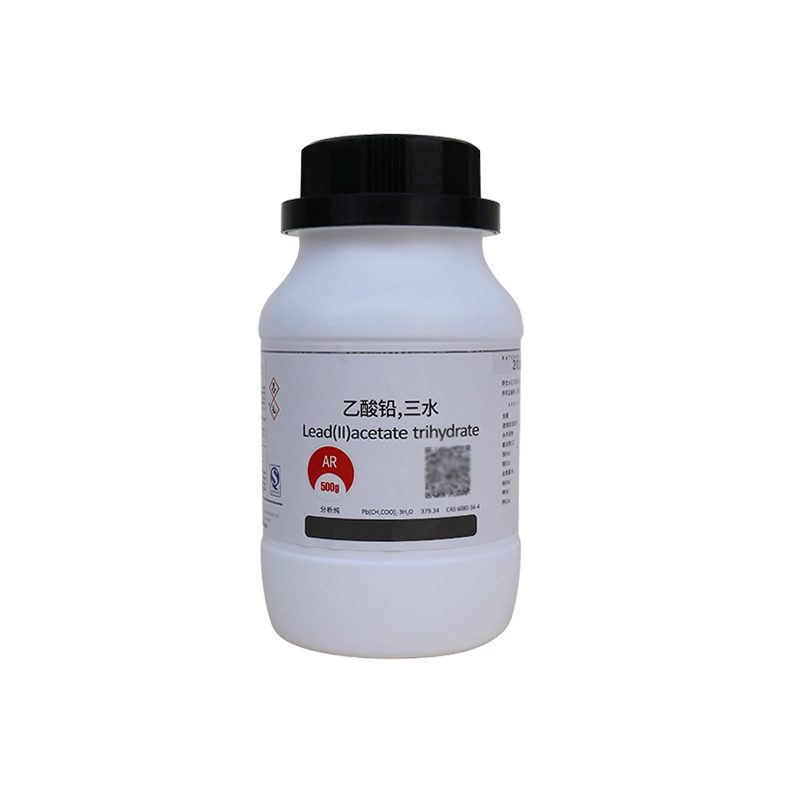
Lead Acetate, specifically in its most common commercial form as Lead(II) acetate trihydrate (CAS No. 6080-56-4), is a white crystalline chemical compound with a slightly sweet taste (historically known as “sugar of lead”). It is highly soluble in water and glycerin, making it an excellent aqueous reagent.
Unlike many other lead compounds, Lead Acetate is exceptionally water-soluble, which is the primary reason it is so heavily utilized in aqueous chemical reactions and formulations.
- Chemical Formula: Pb(CH₃COO)₂ · 3H₂O
- Appearance: Colorless crystals or white efflorescent powder
- Solubility: Highly soluble in water and glycerol
How Is Lead Acetate Produced?
At an industrial scale, Lead Acetate is typically manufactured by boiling elemental lead or lead(II) oxide (litharge) in the presence of acetic acid and hydrogen peroxide. The resulting solution is then evaporated and crystallized to produce high-purity Lead(II) acetate trihydrate. This controlled synthesis ensures the removal of insoluble impurities, which is a critical factor for laboratory and industrial grades.
Key Industrial Applications of Lead Acetate
1. Analytical Chemistry: Hydrogen Sulfide (H2S) Detection
One of the most famous and critical applications of Lead Acetate is in analytical laboratories. Lead acetate paper is the global standard for detecting the presence of poisonous hydrogen sulfide (H2S) gas. When exposed to H2S, the lead acetate reacts instantly to form lead sulfide, turning the paper a distinct black or brown color. This application is vital for safety monitoring in the oil, gas, and mining industries.
2. Pigments and Paints Manufacturing
In the coatings industry, Lead Acetate serves as a primary precursor for manufacturing lead-based pigments, most notably chrome yellow (Lead(II) chromate). These pigments are highly valued in industrial paints and anti-corrosion coatings for their excellent opacity, weather resistance, and vibrant color retention.
3. Textile Printing and Dyeing
Lead Acetate acts as a highly effective mordant in the textile industry. A mordant helps to fix dyes to fabrics, ensuring that the colors are vibrant, wash-fast, and fade-resistant. While its use has become more specialized due to environmental regulations, it remains essential for certain high-end and traditional dyeing processes.
4. Gold Extraction and Metallurgy
In the metallurgical sector, Lead Acetate is occasionally utilized in the cyanidation process for extracting gold from ores. It acts as an activator, improving the efficiency of the leaching process by precipitating soluble sulfides that would otherwise consume the cyanide reagent.
Addressing B2B Buyer Pain Points: Sourcing Lead Acetate Safely
Purchasing Lead Acetate in bulk presents unique challenges for B2B buyers. A reliable chemical supplier must address these core pain points to ensure a smooth procurement process:
1. Quality Control and Batch Consistency (Purity)
The Pain Point: In analytical and pigment applications, trace impurities (like iron or chlorides) can completely ruin a batch of end-products or cause false readings in reagents. The Solution: Look for suppliers that guarantee 99%+ purity for CAS 6080-56-4. A reputable supplier provides a detailed Certificate of Analysis (COA) with every batch, ensuring strict control over heavy metal impurities and moisture content.
2. Hazardous Material Logistics and Packaging
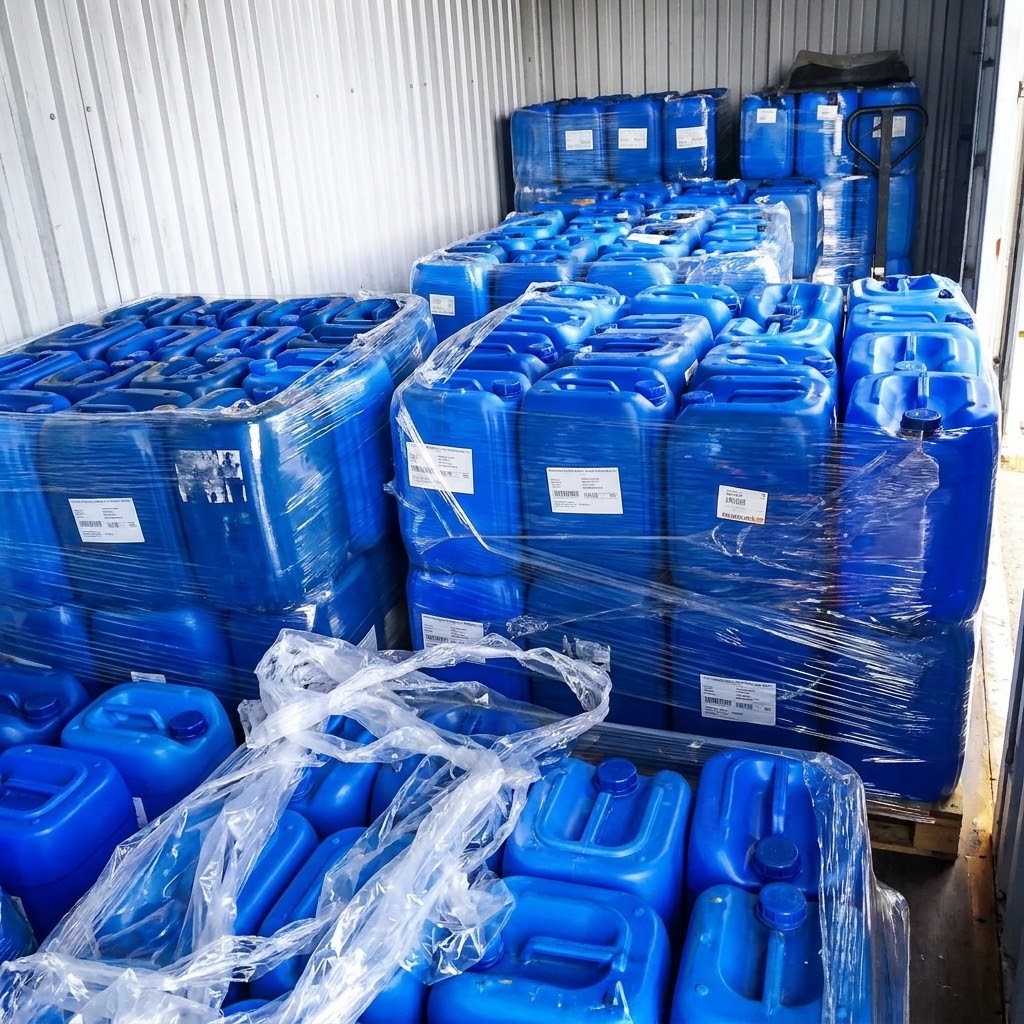
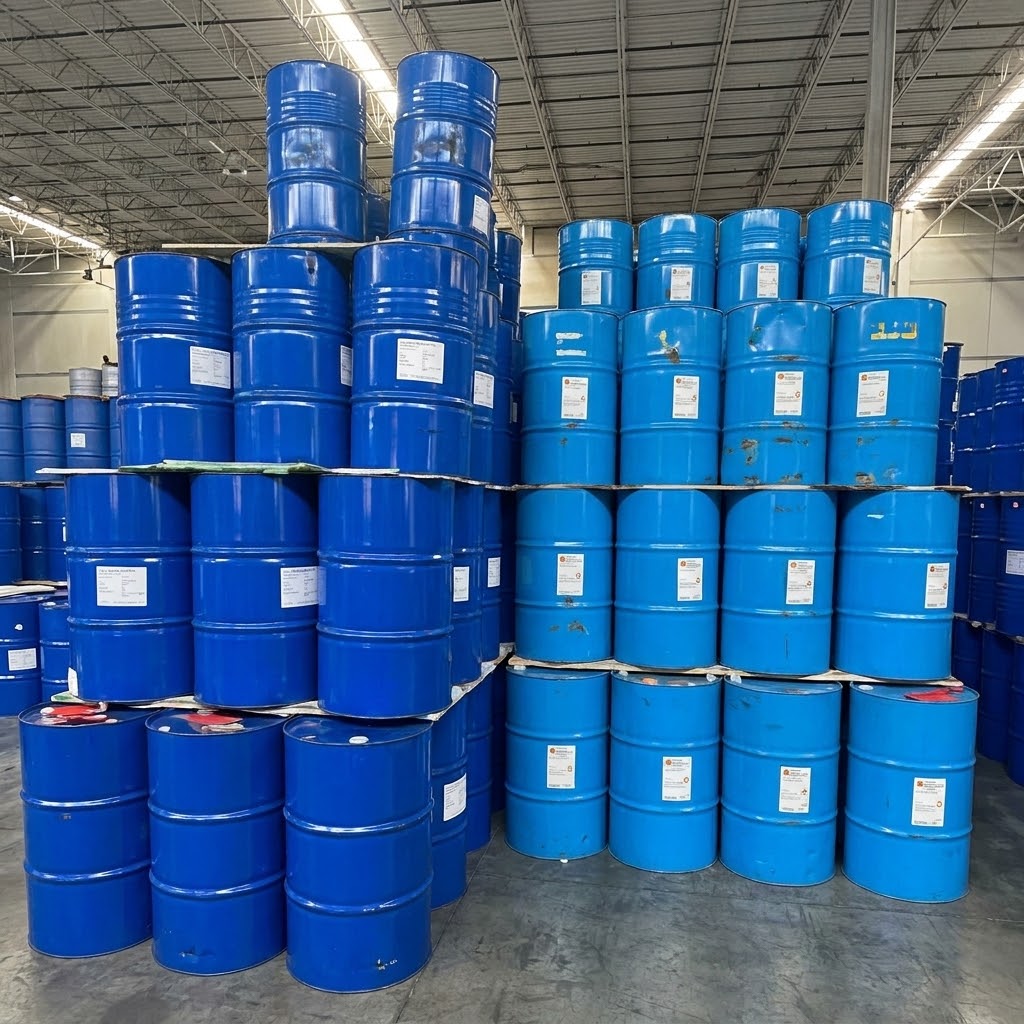
The Pain Point: Lead Acetate is classified as a toxic substance. Improper packaging can lead to dangerous leaks, moisture absorption (efflorescence), and customs delays. The Solution: Premium suppliers utilize UN-approved, moisture-proof packaging (e.g., 25kg tightly sealed fiber drums or heavy-duty woven bags with PE inner liners). Efficiently combining logistics with hazardous goods expertise ensures safe, compliant, and on-time global delivery.
3. Regulatory Compliance and Documentation
The Pain Point: Importing lead-based chemicals requires navigating a maze of environmental and safety regulations (e.g., REACH, RoHS, EPA). The Solution: A professional supplier provides a comprehensive, up-to-date Material Safety Data Sheet (MSDS) and Technical Data Sheet (TDS), while possessing the necessary export licenses for toxic chemicals, saving buyers from regulatory headaches.
Safety Considerations and Handling
Due to lead toxicity, strict safety protocols are non-negotiable when handling Lead Acetate CAS 6080-56-4. Prolonged exposure can lead to heavy metal poisoning.
- Storage: Store in a cool, dry, well-ventilated area. Keep containers tightly closed to prevent moisture loss or absorption. Store away from strong acids and incompatible materials.
- Personal Protective Equipment (PPE): Workers must wear approved respirators, chemical-resistant gloves, safety goggles, and full protective clothing to prevent skin contact and inhalation of dust.
- Environmental Protection: Never dispose of Lead Acetate into the environment or standard sewage systems. It is highly toxic to aquatic life and must be disposed of according to local hazardous waste regulations.
Conclusion
Lead Acetate (CAS 6080-56-4) remains a cornerstone chemical across analytical testing, pigments, and textiles. By understanding its applications and the specific logistical and quality requirements for sourcing it, businesses can optimize their production lines while maintaining strict safety standards.
When procuring hazardous materials like Lead Acetate, partnering with a supplier that offers customized production, transparent documentation, and a professional supply chain team is the key to minimizing risk and maximizing efficiency.
Looking for a reliable Lead Acetate supplier?
Purchase high-quality, high-purity Lead Acetate Trihydrate (CAS 6080-56-4). Contact our professional service team today for bulk pricing, COA, and MSDS documentation.