



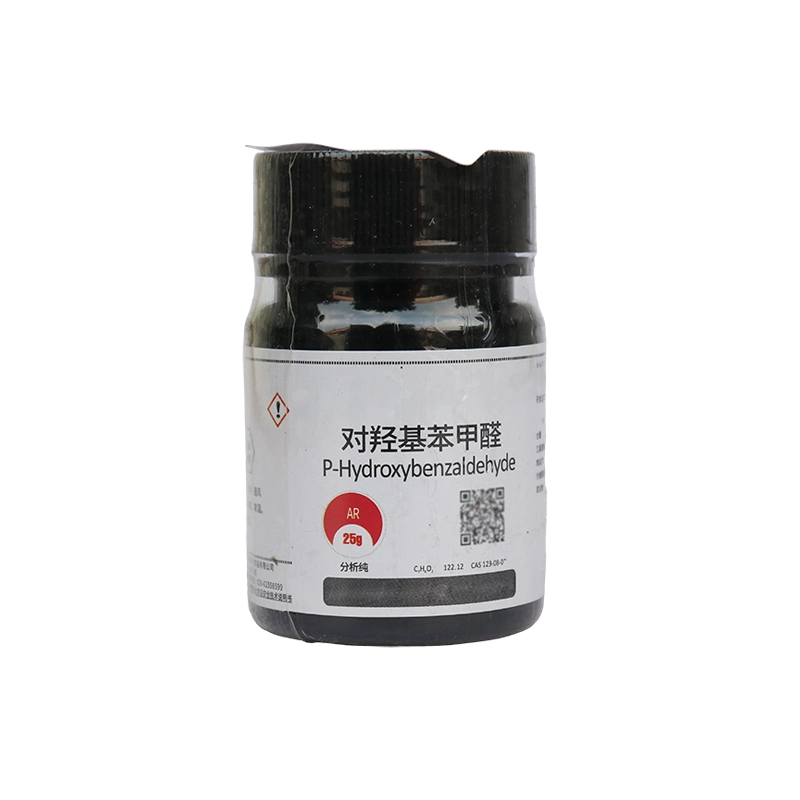
p-Hydroxybenzaldehyde is an aromatic aldehyde consisting of a benzene ring substituted with a hydroxyl group (-OH) and a formyl group (-CHO) at the para position. It typically appears as a light yellow to off-white crystalline powder with a faint, pleasant, woody odor. It features dual chemical reactivity due to the presence of both the phenolic hydroxyl and the aldehyde functional groups.
p-Hydroxybenzaldehyde CAS 123-08-0
Description
- CAS: 123-08-0
- Synonyms: 4-Hydroxybenzaldehyde, p-Formylphenol, 4-Formylphenol
- Einecs: 204-599-1
- Molecular Formula: C_7H_6O_2
- Grade: Pharmaceutical Grade, Industrial Grade, Reagent Grade
- Package: As required (Standard & Customized options available)
Details
Chemical Reactions
- Aldol Condensation & Knoevenagel Condensation: The aldehyde group reacts with active methylene compounds, making it a crucial building block for complex molecular scaffolds.
- Schiff Base Formation: Reacts readily with primary amines to form azomethines (Schiff bases), which are important intermediates in pharmaceutical synthesis.
- Oxidation & Reduction: The aldehyde group can be oxidized to form 4-hydroxybenzoic acid or reduced to yield 4-hydroxybenzyl alcohol.
- Etherification & Esterification: The phenolic hydroxyl group can undergo O-alkylation or react with acyl chlorides/anhydrides to form ethers and esters.
Specifications
| Parameter | Specification |
|---|---|
| Appearance | Light yellow to off-white crystalline powder |
| Assay (Purity) | ≥ 99.0% (Standard) / ≥ 99.5% (Premium) |
| Melting Point | 115℃ – 117℃ |
| Volatility / Loss on Drying | ≤ 0.5% |
| Ash Content | ≤ 0.1% |
| Solubility | Soluble in ethanol, ether, and acetone; slightly soluble in water |
| Thermal Stability | Stable under normal conditions; degrades at excessive temperatures |
Data Sheet Download
Applications
- Pharmaceutical Intermediates:Acts as a vital synthetic precursor. It is heavily utilized in the synthesis of broad-spectrum antibiotics (such as Amoxicillin, Cefadroxil, and Trimethoprim) and cardiovascular drugs.
- Flavors & Fragrances:Serves as a primary building block. It is a key starting material for synthesizing Raspberry Ketone and anisaldehyde, imparting sweet, fruity, and floral notes to commercial products.
- Electroplating Industry:Functions as an effective brightener and leveling agent, particularly in alkaline cyanide-free zinc plating processes, ensuring smooth, highly reflective metal deposition.
- Agrochemicals:Used as a chemical intermediate in the manufacturing of highly effective herbicides and pesticides.
Storage Environment Requirements
- Temperature: Store in a cool, ambient environment (ideally below $30^\circ C$).
- Ventilation: Ensure the storage area is dry and well-ventilated.
- Light & Moisture: Highly sensitive to prolonged UV/sunlight and high humidity. Must be stored in tightly sealed containers protected from direct light.
- Incompatibilities: Keep strictly separated from strong oxidizing agents, strong bases, and strong acids to prevent degradation or hazardous reactions.
Handling & Usage Precautions
- Personal Protective Equipment (PPE): Always wear appropriate protective gear, including chemical-resistant gloves, safety goggles, and protective clothing.
- Respiratory Protection: Avoid generating dust. In areas with inadequate ventilation, use a certified dust mask or respirator. Do not inhale dust or fumes.
- Hygiene: Do not eat, drink, or smoke in the handling area. Wash hands and exposed skin thoroughly with soap and water immediately after handling.
- Spill Response: In case of a spill, sweep up carefully avoiding dust formation, collect in a suitable disposal container, and clean the surface area.
Formulations
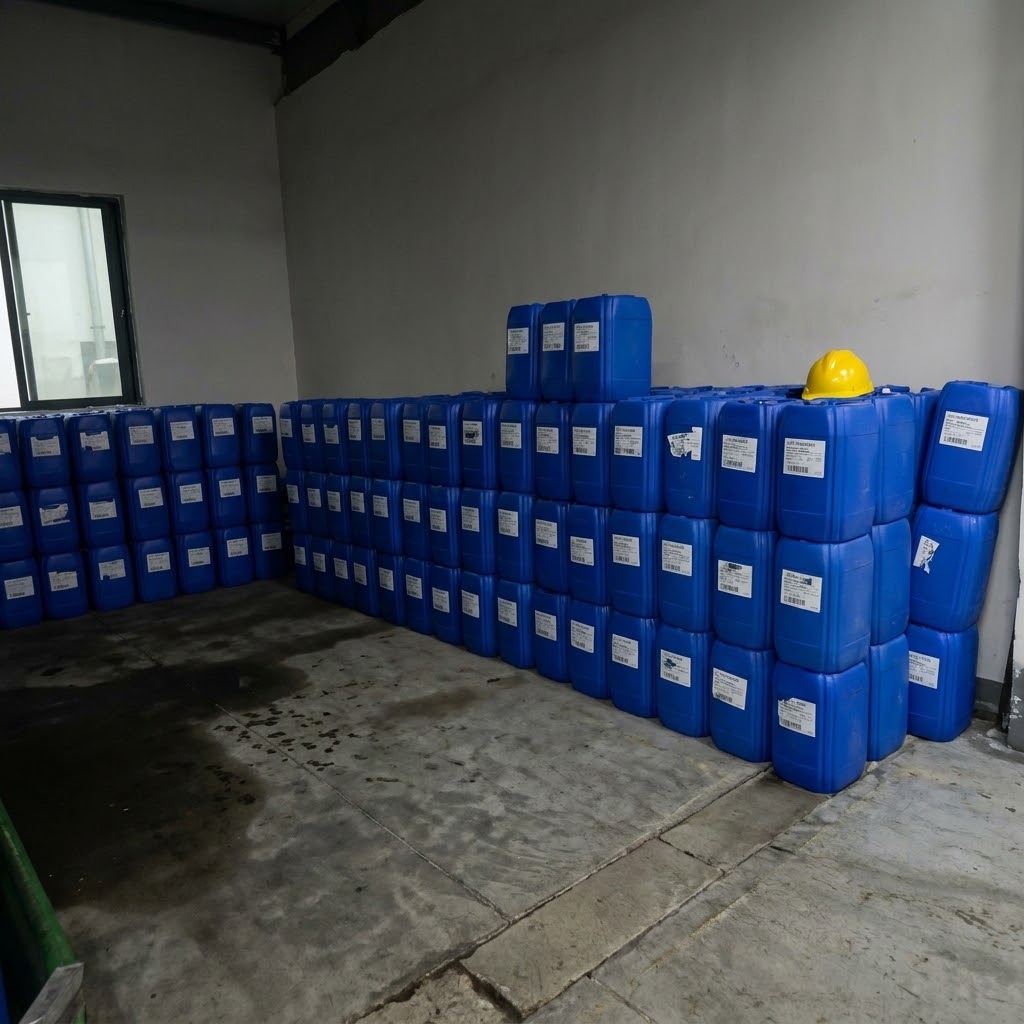
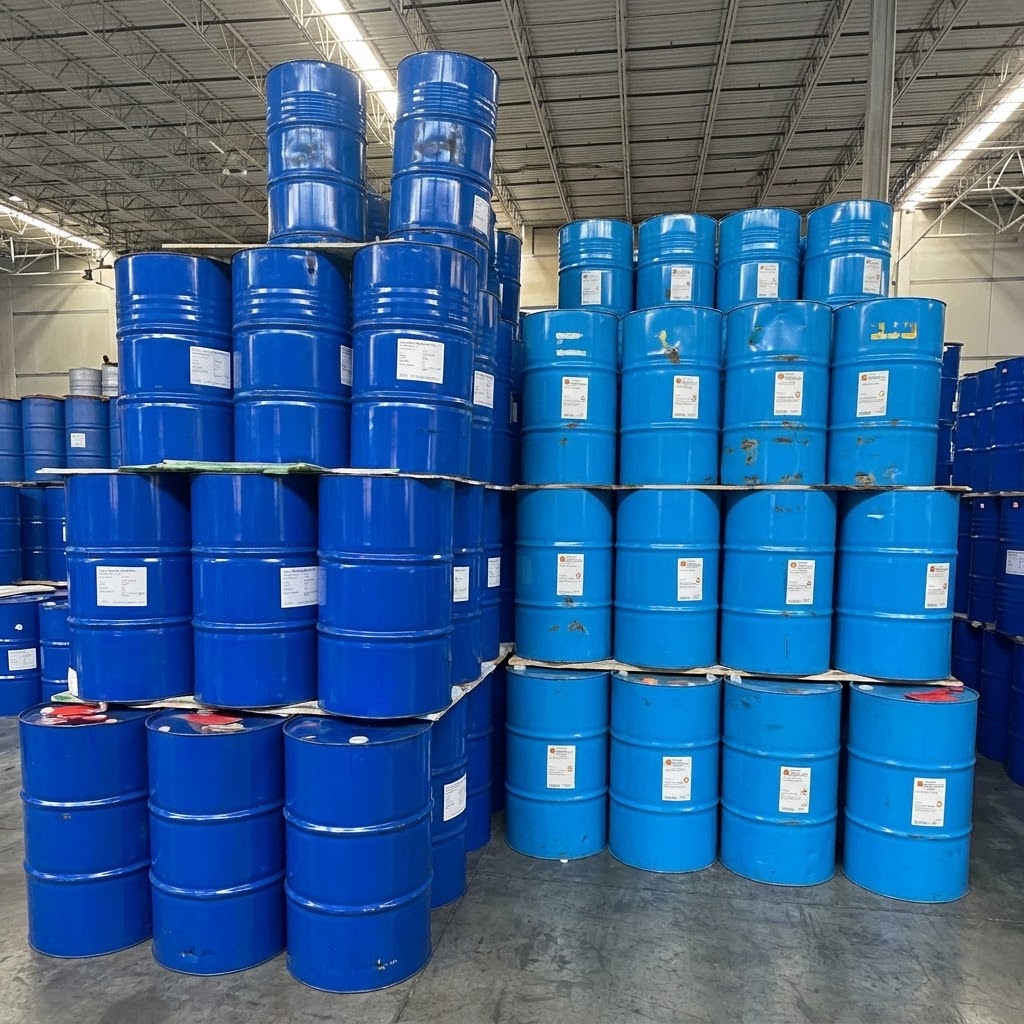
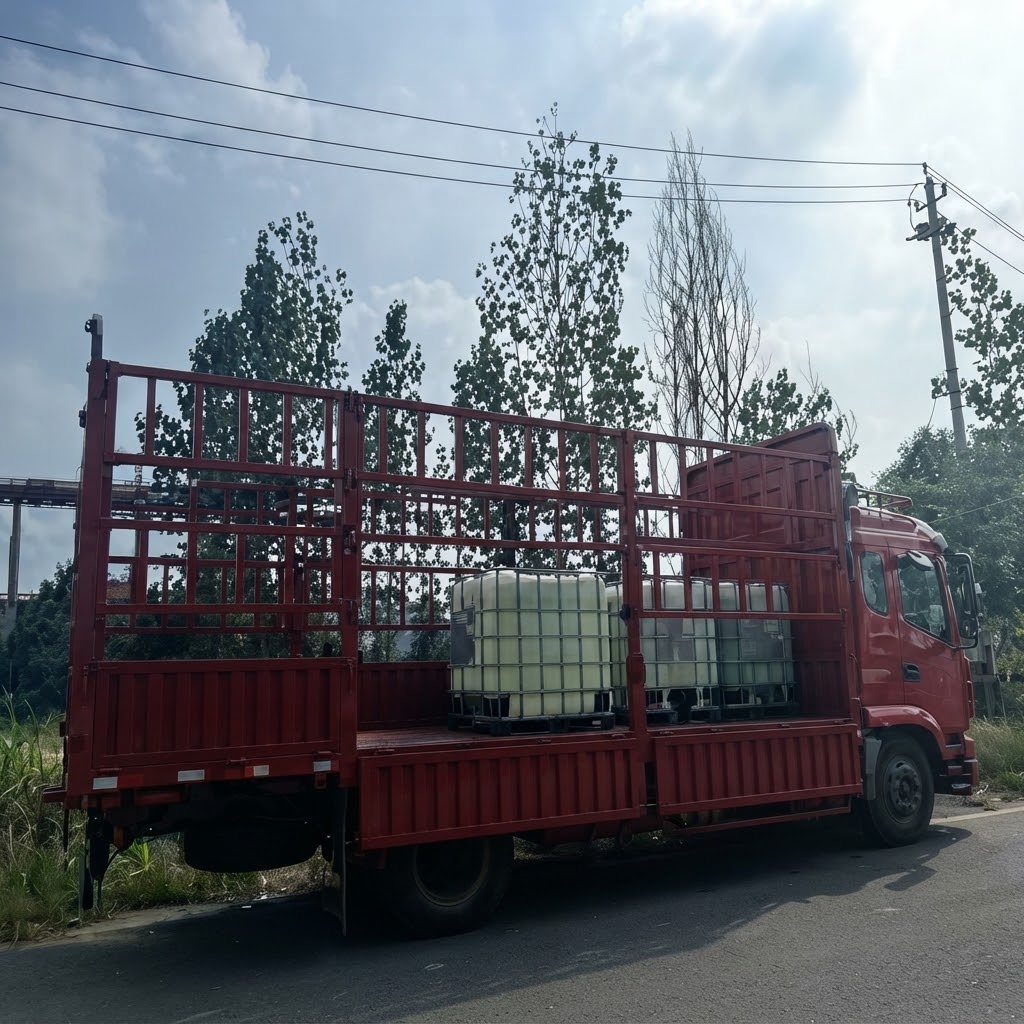
Packaging
- Standard Industrial Package: 25 kg fiber drums or cardboard drums, lined with double-layered high-density polyethylene (HDPE) bags to prevent moisture ingress.
- Sample/Small Quantity: 1 kg or 5 kg aluminum foil bags, vacuum-sealed or flushed with inert gas.
- Custom Packaging: Available upon customer request (e.g., customized bag weights, bulk super sacks, or specific labeling).

Safety & Compliance Information
| Compliance & Safety Aspect | Status / Detail |
|---|---|
| SDS / MSDS Available | Yes (Provided upon inquiry or order) |
| GHS Classification | Acute Tox. 4 (Oral), Skin Irrit. 2, Eye Irrit. 2, STOT SE 3 |
| UN No. | Not regulated as dangerous goods |
| Transport Class | Non-hazardous for sea, air, and road transport (IMDG, IATA, ADR) |
| Hazard Statements | H302, H315, H319, H335 |
| Labeling and Packaging Compliance | Fully compliant with local and international GHS standards |
| COA / TDS Available Upon Request | Yes |
| Batch Traceability | Yes, strict ERP and lot-tracking system implemented |
FAQ
-
Q: How to get more information about the product?A: You can contact us via email at info@zhpmchem.com or WhatsApp at +8618321309391 for more information about our products and company.
-
Q: Does the product meet our requirements regarding formulation, equipment, and processing?A: Yes, we will adjust the product formulation to your specific needs, ensuring it meets your processing requirements.
-
Q: Is p-Hydroxybenzaldehyde soluble in water?A: It is only slightly soluble in cold water. However, it exhibits excellent solubility in organic solvents such as ethanol, acetone, ether, and ethyl acetate, which are commonly used in its synthetic applications.
-
Q: What is the main difference between industrial grade and pharmaceutical grade p-Hydroxybenzaldehyde?A: Pharmaceutical grade material undergoes stricter purification and quality control to ensure a higher assay (typically ≥ 99.5%), with significantly lower limits for heavy metals, moisture, and specific impurities, making it safe for active pharmaceutical ingredient (API) synthesis.
-
Q: Can exposure to light damage the product?A: Yes. Like many phenolic compounds, p-Hydroxybenzaldehyde can undergo oxidation when exposed to light and air over long periods, leading to a slight discoloration (turning pinkish or darker yellow). It should always be kept in light-resistant, sealed packaging.
-
Q: Do you offer customized particle size milling for specific applications like electroplating?A: Yes. We understand that dissolution rates are critical in formulations such as electroplating baths. We can provide customized milling to achieve specific particle size distributions based on your technical requirements.