


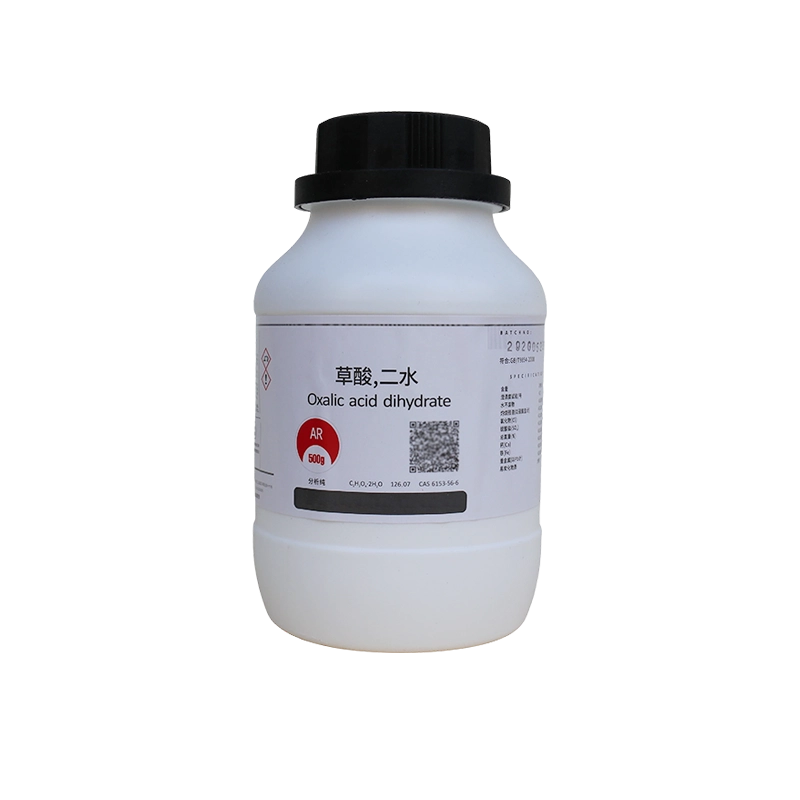
Oxalic Acid is a strong dicarboxylic acid occurring naturally in many plants. It is widely used in industrial applications, particularly as a cleaning agent, chelating agent, and chemical intermediate.
Oxalic Acid CAS 144-62-7
Description
- CAS: 144-62-7 (Anhydrous)
- Synonyms: Ethanedioic acid; Wood bleach; Dicarboxylic acid
- Einecs: 205-634-3
- Molecular Formula: C_2H_2O_4
- Grade: Industrial Grade, Reagent Grade, Pharmaceutical Grade
- Package: As required
Details
Basic
Basic Properties: Oxalic acid is the simplest dicarboxylic acid. It appears as a colorless, crystalline organic compound that forms a colorless solution in water. It is a highly potent reducing agent and is significantly stronger than acetic acid.
Common Chemical Reactions:
- Chelation (Complexation): Reacts with metal ions (like iron) to form water-soluble complex salts.
- Oxidation: As a strong reducing agent, it is easily oxidized by strong oxidizing agents like potassium permanganate (KMnO_4), breaking down into carbon dioxide and water.
- Esterification: Reacts with alcohols in the presence of an acid catalyst to form dialkyl oxalates.
Specifications
| Parameter | Specification |
|---|---|
| Appearance | White crystalline powder |
| Assay (Purity) | ≥ 99.6% |
| Melting Point | ~189.5 °C (sublimes) |
| Volatility | Low volatility at room temperature; sublimes upon heating |
| Ash Content | ≤ 0.1% |
| Solubility | Soluble in water (143 g/L at 25℃) and ethanol |
| Thermal Stability | Decomposes into carbon monoxide (CO), carbon dioxide (CO_2), and water (H_2O) when heated strongly above its melting point. |
Data Sheet Download
Applications
- Surface Cleaning & Rust Removal: Acts as a chelating agent. It binds with insoluble iron compounds (rust) and converts them into water-soluble iron oxalates, which can be easily washed away.
- Wood Bleaching: Acts as a reducing agent and chelator. It removes black water stains, iron stains, and weathering from wood surfaces, restoring the natural wood color without damaging the fiber.
- Metallurgy & Rare Earth Processing: Acts as a precipitating agent. Used to precipitate and separate rare earth metals from aqueous solutions during mineral processing.
- Textile & Leather Industry: Acts as a mordant and bleaching agent. Helps fix dyes to fabrics and removes metal impurities during leather tanning.
- Chemical Synthesis: Acts as a raw material/intermediate. Used in the synthesis of oxalates, plastics, dyes, and pharmaceutical ingredients.
Storage Environmental Requirements
- Environment: Store in a cool, dry, and well-ventilated area.
- Moisture Control: Keep containers tightly closed to protect from moisture, as the powder can cake when exposed to high humidity.
- Incompatibilities: Segregate from strong oxidizing agents, strong bases (alkalis), and silver compounds.
- Sunlight: Keep away from direct, prolonged exposure to sunlight and heat sources.
Handling and Usage Precautions
- Personal Protective Equipment (PPE): Always wear chemical-resistant gloves, safety goggles, and protective clothing. Use a NIOSH-approved dust mask or respirator if dust is generated.
- Ventilation: Use only in well-ventilated areas or under a chemical fume hood to avoid inhaling dust or vapors.
- Skin/Eye Contact: Corrosive. In case of contact, immediately flush eyes or skin with plenty of water for at least 15 minutes. Seek medical attention.
- Ingestion: Highly toxic if swallowed. Do not eat, drink, or smoke while handling this product. Wash hands thoroughly after use.
Formulations
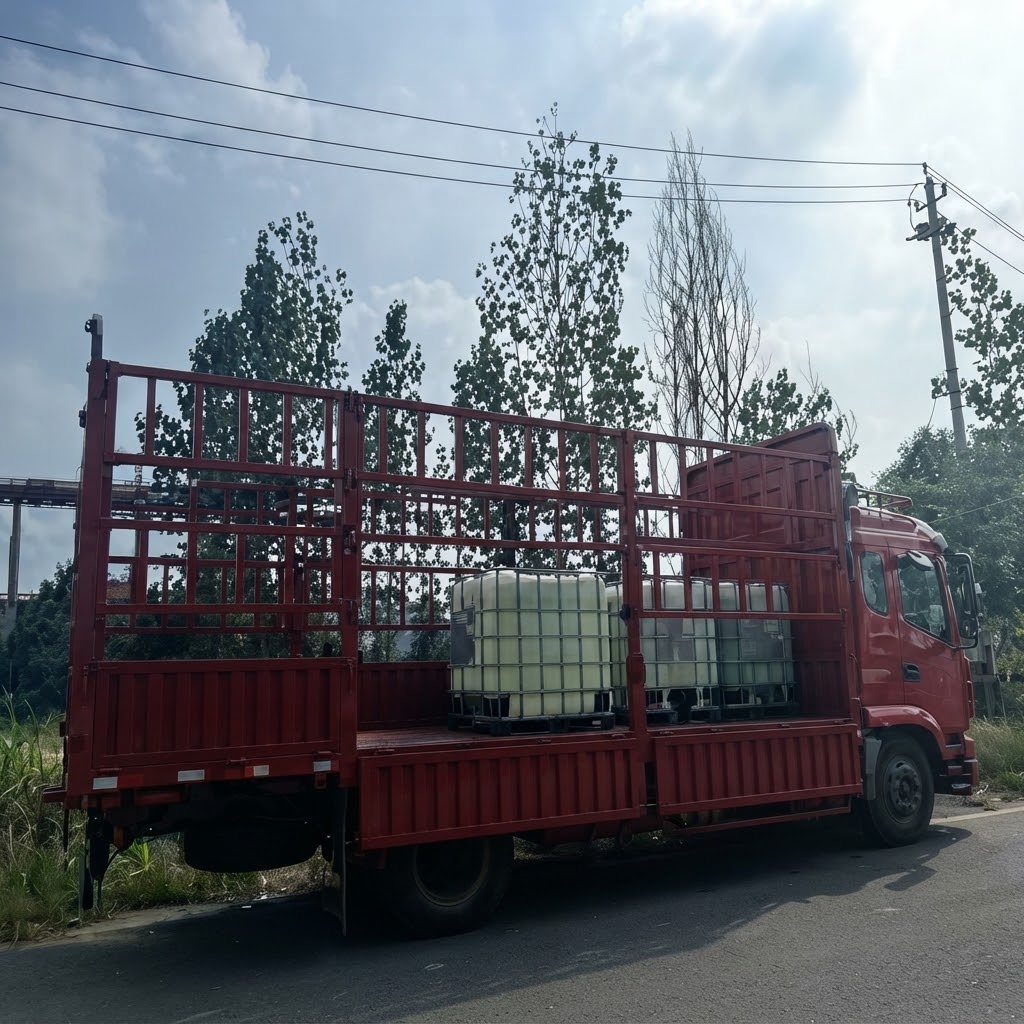
Packaging
- Standard Packaging: 25 kg woven plastic bags with a PE (polyethylene) inner liner to prevent moisture ingress.
- Bulk Packaging: 1000 kg Jumbo bags (FIBCs) with inner PE liners for large-scale industrial consumers.
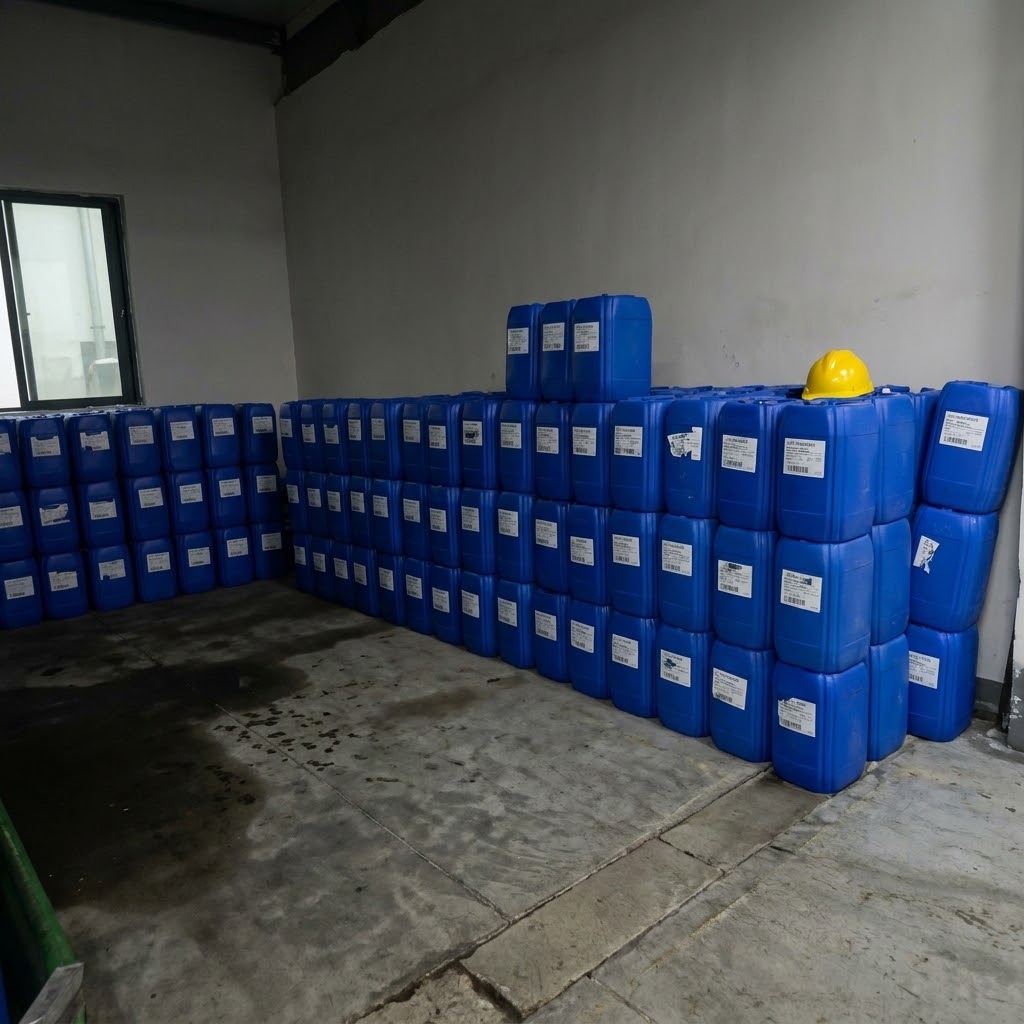
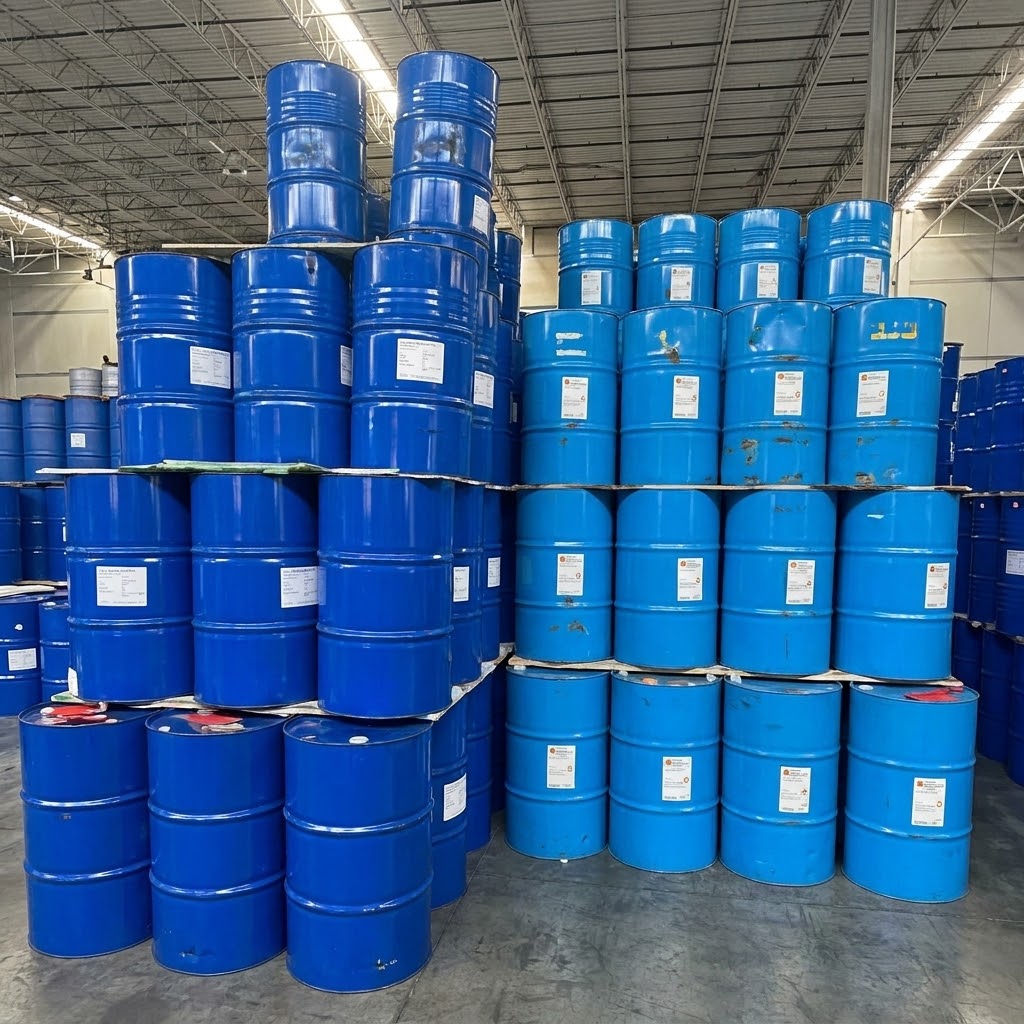
- Custom Packaging: Available in custom drum or bucket sizes as required by the client.
- Palletizing: Shrink-wrapped on wooden or plastic pallets for safe transport.

Safety and Compliance
| Compliance / Safety Item | Status / Details |
|---|---|
| SDS / MSDS | Available Upon Request |
| GHS Classification | Acute Tox. 4 (Oral & Dermal); Eye Dam. 1 |
| UN No. | UN 3261 (Corrosive solid, acidic, organic, n.o.s.) |
| Transport Class | Class 8 (Corrosive Substances) |
| Hazard Statements | H302: Harmful if swallowedH312: Harmful in contact with skinH318: Causes serious eye damage |
| Labeling and Packaging Compliance | Fully complies with GHS and standard international shipping labeling regulations. |
| COA / TDS | Available Upon Request for every batch |
| Batch Traceability | 100% Traceable via lot numbering system |
FAQ
-
Q: How to get more information about the product?A: You can contact us via email at info@zhpmchem.com or WhatsApp at +8618321309391 for more information about our products and company.
-
Q: Does the product meet our requirements regarding formulation, equipment, and processing?A: Yes, we will adjust the product formulation to your specific needs, ensuring it meets your processing requirements.
-
Q: Why is Oxalic Acid specifically chosen for rust removal over other acids?A: Unlike hydrochloric or sulfuric acid, which simply dissolve the metal, oxalic acid acts as a chelator. It chemically binds to iron ions to form a water-soluble complex (ferrioxalate) that can be rinsed away easily, removing the rust without aggressively eating into the base metal underneath.
-
Q: Can Oxalic Acid be mixed with household bleach?A: No. Oxalic acid should never be mixed with chlorine bleach (sodium hypochlorite) or any strong oxidizers. Mixing them can result in dangerous, toxic gas releases and hazardous chemical reactions.
-
Q: Does Oxalic Acid have a shelf life?A: When stored properly in a tightly sealed container in a cool, dry place, Oxalic Acid is highly stable and generally has a shelf life of 2 to 3 years. Exposure to high humidity may cause the powder to clump, but it usually does not degrade its chemical effectiveness.