


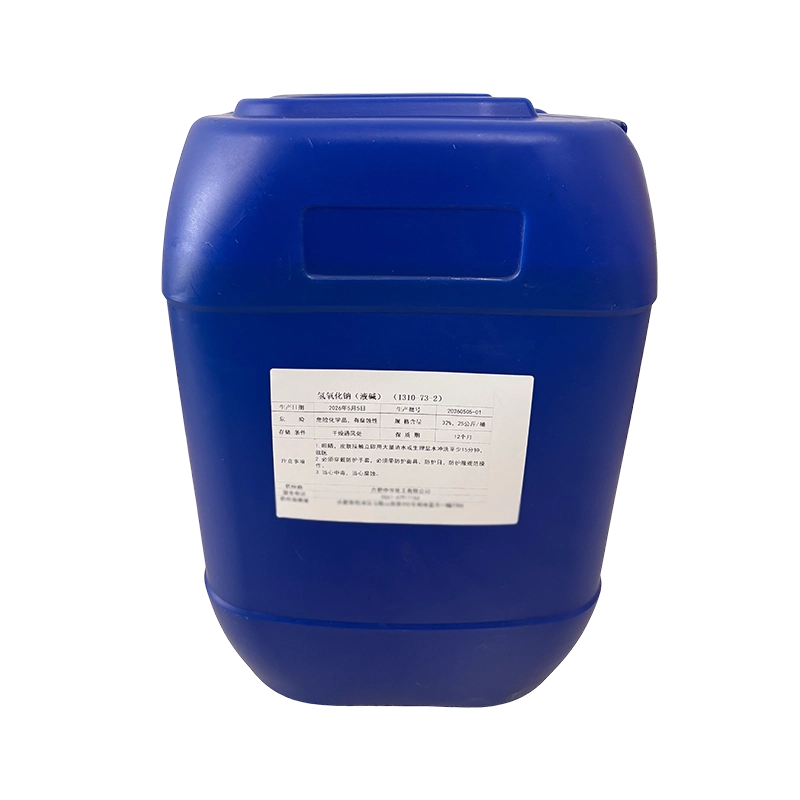
Introduction
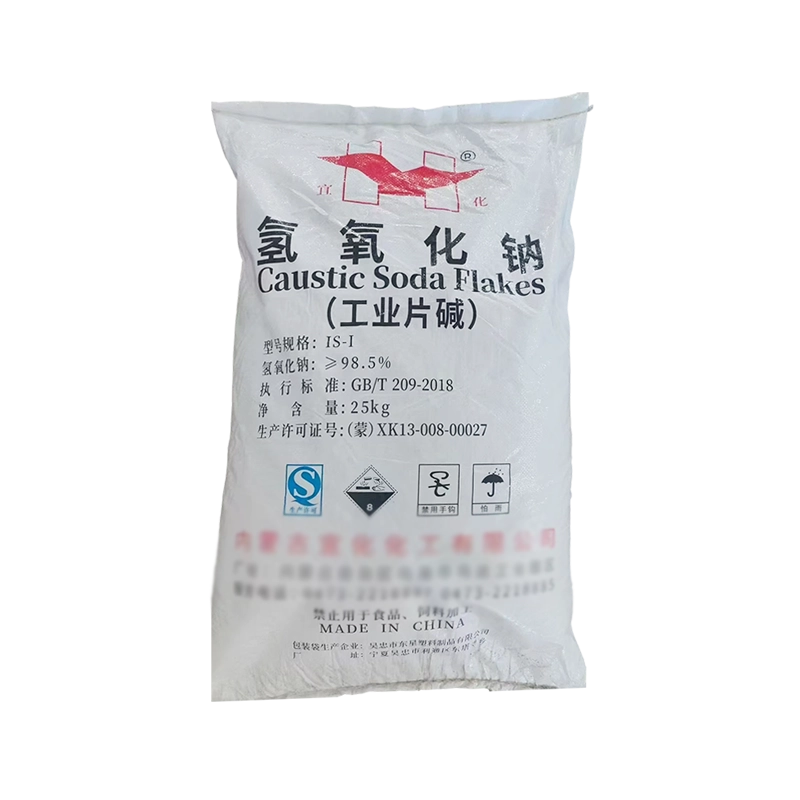
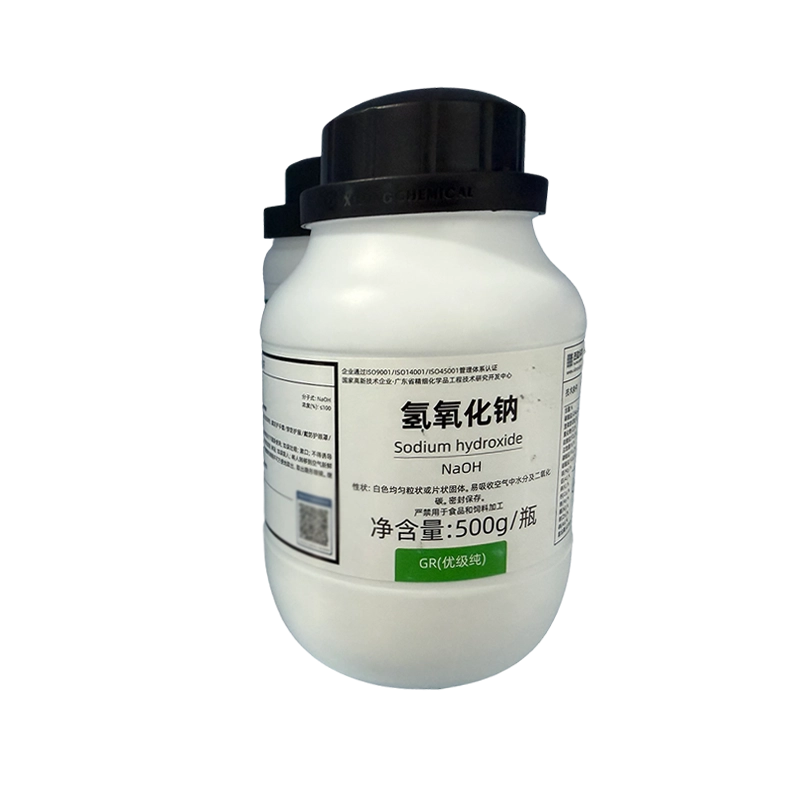
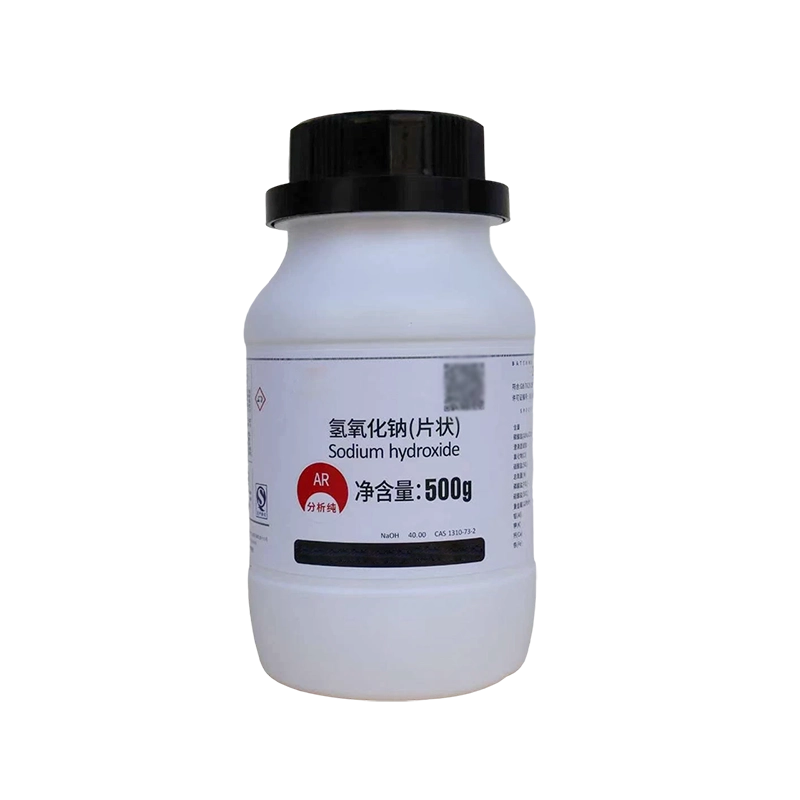
Sodium hydroxide, commonly known as caustic soda or lye, is a white, translucent crystalline solid (commonly found in flake or pearl form). It is an extremely strong base with severe corrosiveness and intense hygroscopicity. It reacts with carbon dioxide in the air to form sodium carbonate. It dissolves in water, releasing massive amounts of heat. It undergoes saponification reactions with fats and vigorously neutralizes acids.
Specification
| Item | Specification |
| Appearance | White pearls, flakes, or solid block |
| Assay (Purity) | ≥ 99.0% |
| Melting Point | 318 °C |
| Volatility | Non-volatile |
| Ash Content | High (Transforms to Na2CO3) |
| Solubility | Highly soluble in water (exothermic), soluble in ethanol |
| Thermal Stability | Very stable at high temperatures, boils at 1,388 °C |
Applications
- Soap & Detergent Industry: Reacts with animal/vegetable fats (saponification) to produce soap and surfactants.
- Paper & Textiles: Used in wood pulping to remove lignin; used in textiles for the mercerization of cotton to increase luster and dyeing properties.
- Water Treatment & Metallurgy: Adjusts water pH; used in the Bayer process to extract alumina from bauxite ore.
Storage Requirements
Must be stored in a dry, ventilated warehouse. Keep containers absolutely sealed to prevent absorbing moisture (which causes clumping) and absorbing carbon dioxide (which causes deterioration). Strictly prohibit mixed storage or transport with acids, flammables, or amphoteric metals like aluminum or zinc.
Handling and Precautions
Extremely corrosive. Skin contact will cause severe chemical burns; eye contact may lead to blindness. Operators must wear acid/alkali-resistant work clothes, long rubber gloves, and a full face shield. When dissolving, slowly add the caustic flakes into the water with constant stirring. NEVER pour water into the solid alkali, to avoid boiling and explosive splattering.
Formula & Function
Traditional Handmade Soap: Olive Oil (70%) + Coconut Oil (30%) + Appropriate Sodium Hydroxide + Water.
Function: Sodium hydroxide is the essential reactant for saponification. It chemically reacts with fats (triglycerides), breaking them down and recombining them into sodium fatty acids (the main cleansing agent in soap) and glycerol. True soap cannot be made without sodium hydroxide.
Packaging
fiber drum or carton box, lined with PE bag. Customized packaging available upon request.